Dupes & Clones
Cologne Dupes: What Actually Smells Like the Original
Which clones get genuinely close to the icons — and which are just marketing.
#ad— We're reader-supported. When you buy through links on this page we may earn an Amazon Associates commission, at no extra cost to you. It never changes a verdict — we routinely point you at the cheaper bottle. Full disclosure.

A dupe — short for duplicate, also called a clone — is a fragrance built to smell like a famous, usually expensive original, sold under a different and much cheaper name. When a well-made clone gets you most of the way to a pricey icon, the math is hard to argue with. This hub is where we tell you which ones deliver and which ones are all label.
Are they worth it?
Often, yes — with your eyes open. A good clone is not a knock-off in the counterfeit sense; it is a legitimate fragrance from a legitimate house — frequently one of the Arabian houses like Armaf or Lattafa that have gotten very good at this — that happens to chase a familiar smell. You are not paying for the designer's marketing, bottle or boutique, so the same money buys more actual perfume oil. The trade-offs are real, though, and we always name them: clones often lean on cheaper raw materials, so the top notes can smell a touch synthetic, the dry-down can lose some of the original's nuance, and the longevity may not fully match.
How we judge "closeness"
This is the part most dupe lists get dishonest about. We do not run a lab, we do not own a gas chromatograph, and we will never pretend a clone is a "100% match" — noses are not that precise and neither are we. Our closeness calls are a considered editorial judgment, compiled from the published note structures of both fragrances, their concentration data, and the aggregated reports of owners who have worn both side by side — with first-hand impressions added only where they are genuinely ours. When we say a clone gets close, we mean the overall impression — the accord that makes the original recognizable — is genuinely there. When it does not, we say that too.
Why even honest clones drift
Even a well-intentioned clone smells a little different from its target, for reasons that have nothing to do with effort. IFRA rules periodically restrict fragrance materials (oakmoss is the classic example), and originals and clones reformulate around them differently. Cost means substituting expensive naturals with cheaper synthetics, which shifts the balance, especially in the fragile top notes. And batch variation — real in any fragrance — tends to be a little wider in clones made at higher volume and lower margin. Set your expectations at "close, at a fraction of the cost," not "identical," and you will be delighted rather than disappointed.
Our buyer-first rule on the icons
On the comparison pages you will notice something deliberate: even when we spend a whole article talking about Creed Aventus or Bleu de Chanel, the buy button points at a reliably-stocked clone or a genuine sample, never at a marketplace listing of the original. That is on purpose. High-value designer and niche fragrances are among the most counterfeited products online, and a too-good-to-be-true listing of the "real thing" is often a fake that smells like nothing. We would rather send you to a bottle we can stand behind. Start with a head-to-head:
- The best cologne dupes overall — the ranked shortlist.
- Creed Aventus clones — which pineapple-smoke bottle actually gets close, ranked with a price-per-millilitre table.
- Bleu de Chanel dupes — the affordable takes on the blue icon.
- Baccarat Rouge 540 dupes — the saffron-amberwood icon, and the cheap bottles chasing it.
- The best Lattafa for men — the Dubai house that dominates this category, ranked bottle by bottle.
- The best Armaf for men — the rival house, and which Club de Nuit flankers actually differ.
- The best Rasasi for men — the older Dubai house behind Hawas, and the six bottles nobody talks about.
- Dior Sauvage dupes — the one icon whose clones genuinely get close.
- The best cologne under $50 — the whole budget field, across every scent family.
- Are cologne dupes worth it? — the honest case for and against, before you spend anything.
- Khamrah vs Asad — the two budget heavyweights, compared properly.
Two more head-to-heads sit alongside those, for the questions this hub gets asked most: Club de Nuit vs Afnan Supremacy settles which of the two famous smoky-pineapple houses to buy from, and Hawas vs Hawas Ice vs Hawas Fire works out which bottle in Rasasi's most-flanked line you actually want.
Everything in this hub
All dupes & clones
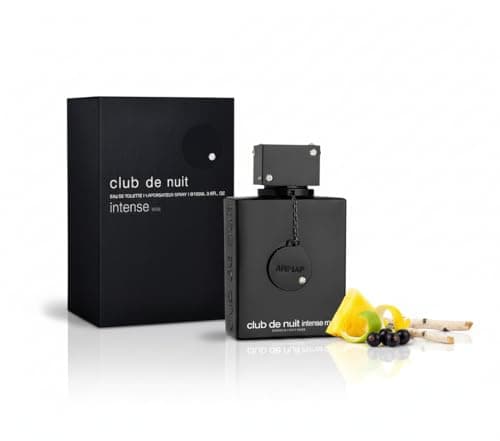
Roundup
The Best Cologne Dupes
The best value clones from Lattafa, Armaf and friends, ranked with live prices.
Top pick: Armaf Club de Nuit Intense Man
Comparison
Creed Aventus Clones: What Actually Smells Like It
Which affordable bottle actually captures Aventus's smoky-pineapple signature.
Top pick: Armaf Club de Nuit Intense Man
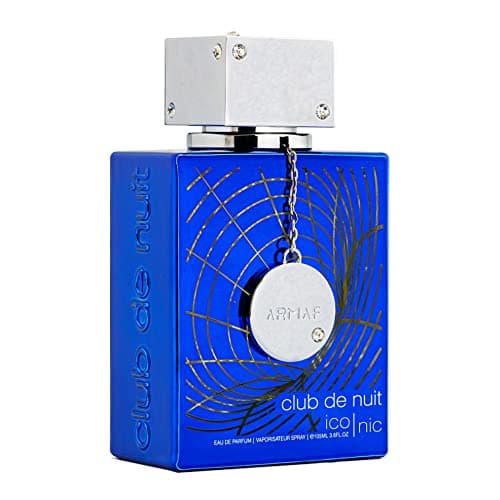
Comparison
Bleu de Chanel Dupes: The Affordable Alternatives
The affordable woody-aromatic alternatives to Bleu de Chanel, compared honestly.
Top pick: Armaf Club de Nuit Blue Iconic
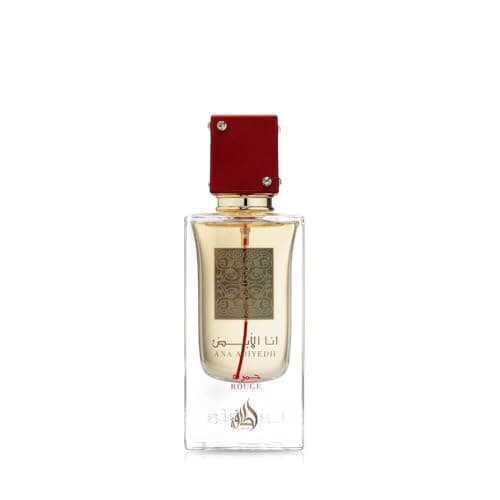
Comparison
Baccarat Rouge 540 Dupes: What Actually Gets Close
The cheap saffron-amberwood bottles chasing Baccarat Rouge 540, ranked with a price-per-ml table.
Top pick: Lattafa Ana Abiyedh Rouge
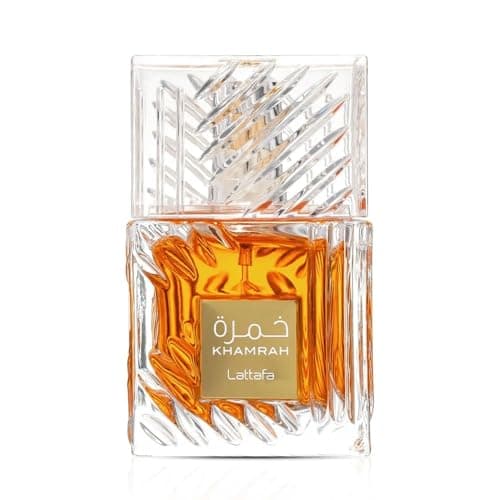
Roundup
The Best Lattafa Fragrances for Men
The Lattafa bottles worth owning, ranked by lane — gourmand, oud, fresh — with live prices and honest cons.
Top pick: Lattafa Khamrah
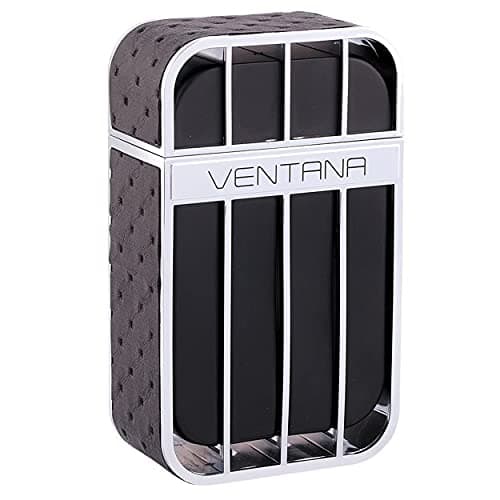
Comparison
Dior Sauvage Dupes: What Actually Smells Like It
Which cheap bottle actually captures Sauvage's peppery ambroxan signature, ranked honestly.
Top pick: Armaf Ventana
Roundup
The Best Armaf Fragrances for Men
The Armaf bottles worth owning, ranked by what each one actually chases.
Top pick: Armaf Club de Nuit Intense Man
Roundup
The Best Cologne Under $50
Genuinely good budget bottles across every scent family, ranked with live prices.
Top pick: Armaf Club de Nuit Intense Man
Guide
Are Cologne Dupes Worth It?
The honest case for and against clones, and how to tell which situation you are in.
Read the guide →Comparison
Lattafa Khamrah vs Asad
The two Lattafa heavyweights compared — sweet spice against dark tobacco.
Top pick: Lattafa Khamrah
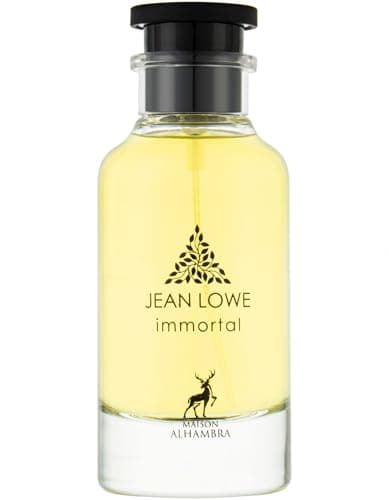
Roundup
The Best Maison Alhambra Fragrances
The Dubai clone house ranked with live prices — what each bottle echoes, and which are worth it.
Top pick: Maison Alhambra Jean Lowe Immortel
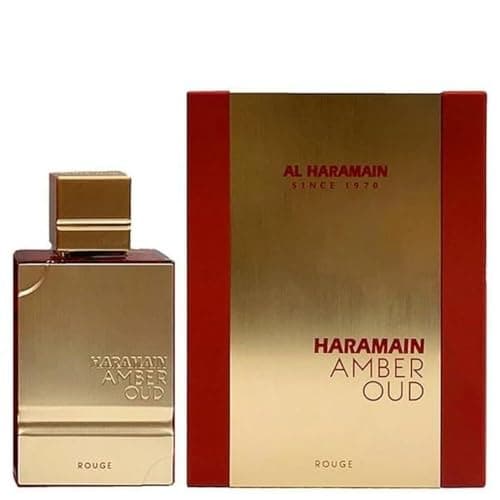
Roundup
The Best Al Haramain Fragrances
Al Haramain ranked honestly — the sweet ambers, the fresh outlier, and which to buy first.
Top pick: Al Haramain Amber Oud Rouge
Roundup
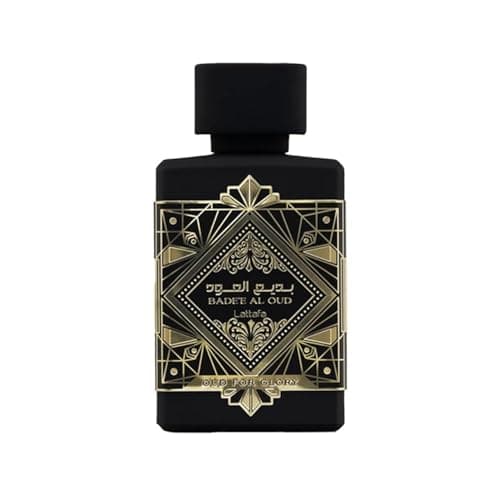
The Longest-Lasting Clone Fragrances
Budget bottles ranked on raw staying power, with the chemistry that explains it.
Top pick: Lattafa Bade'e Al Oud (Oud for Glory)
Comparison
Khamrah vs Khamrah Qahwa
The original against the coffee flanker — which Khamrah belongs in your rotation.
Top pick: Lattafa Khamrah
Roundup
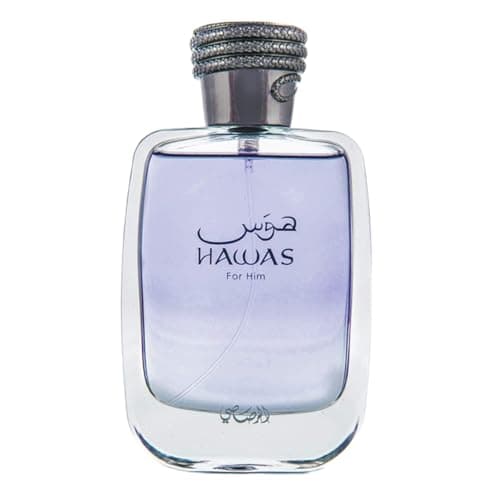
The Best Rasasi Fragrances for Men
Rasasi ranked honestly — the Hawas franchise, the leather sleeper, and which ones divide owners.
Top pick: Rasasi Hawas For Him
Comparison
Club de Nuit vs Afnan Supremacy
Armaf vs Afnan on the same accord — per-milliliter costs, and which line wins for your weather.
Top pick: Armaf Club de Nuit Intense Man
Comparison
Hawas vs Hawas Ice vs Hawas Fire
The three Hawas bottles compared on profile, performance and cost per milliliter.
Top pick: Rasasi Hawas For Him
Roundup
The Best Arabic Colognes for Men
Lattafa, Armaf, Rasasi, Al Haramain and Maison Alhambra, ranked across the five houses with live prices.
Top pick: Lattafa Khamrah
Comparison
Lattafa vs Armaf
Originals against clones — which of the two biggest Arab houses you should buy from, with the best bottle from each.
Top pick: Armaf Club de Nuit Intense Man
Comparison
Club de Nuit Intense vs Rasasi Hawas
The two most-recommended budget bottles compared on profile, season and cost per milliliter — and which one to buy first.
Top pick: Rasasi Hawas For Him
Comparison
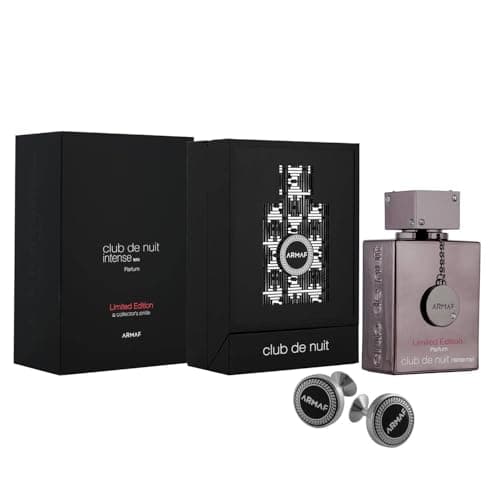
Club de Nuit Intense vs Limited Edition Parfum
The cheap EDT against the Limited Edition Parfum, compared on published pyramids, owner ratings and cost per milliliter.
Top pick: Armaf Club de Nuit Intense Limited Edition Parfum
Comparison
Rasasi Hawas vs Paco Rabanne Invictus
The sporty-fresh designer against the budget bottle that outscores it, compared properly.
Top pick: Rasasi Hawas For Him
Comparison
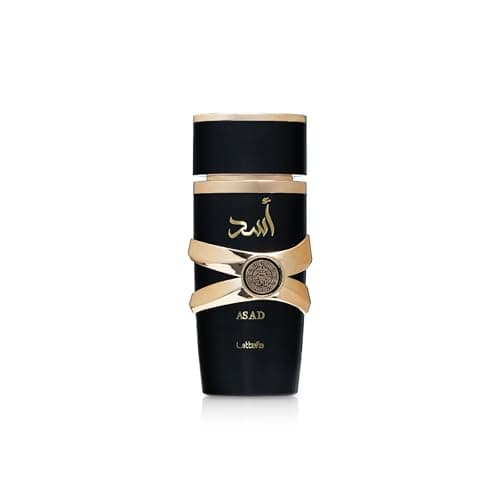
Lattafa Asad vs Asad Zanzibar
Two Lattafa bottles sharing a name and nothing else — the warm one, the cool one, and which to buy.
Top pick: Lattafa Asad