Fragrance Guides · Fragrance Guides
Fragrance Concentrations: EDT vs EDP vs Parfum
The single most misunderstood spec on the bottle — what the initials mean, how long each lasts, and when to pay for the stronger one.
#ad— We're reader-supported. When you buy through links on this page we may earn an Amazon Associates commission, at no extra cost to you. It never changes a verdict — we routinely point you at the cheaper bottle. Full disclosure.
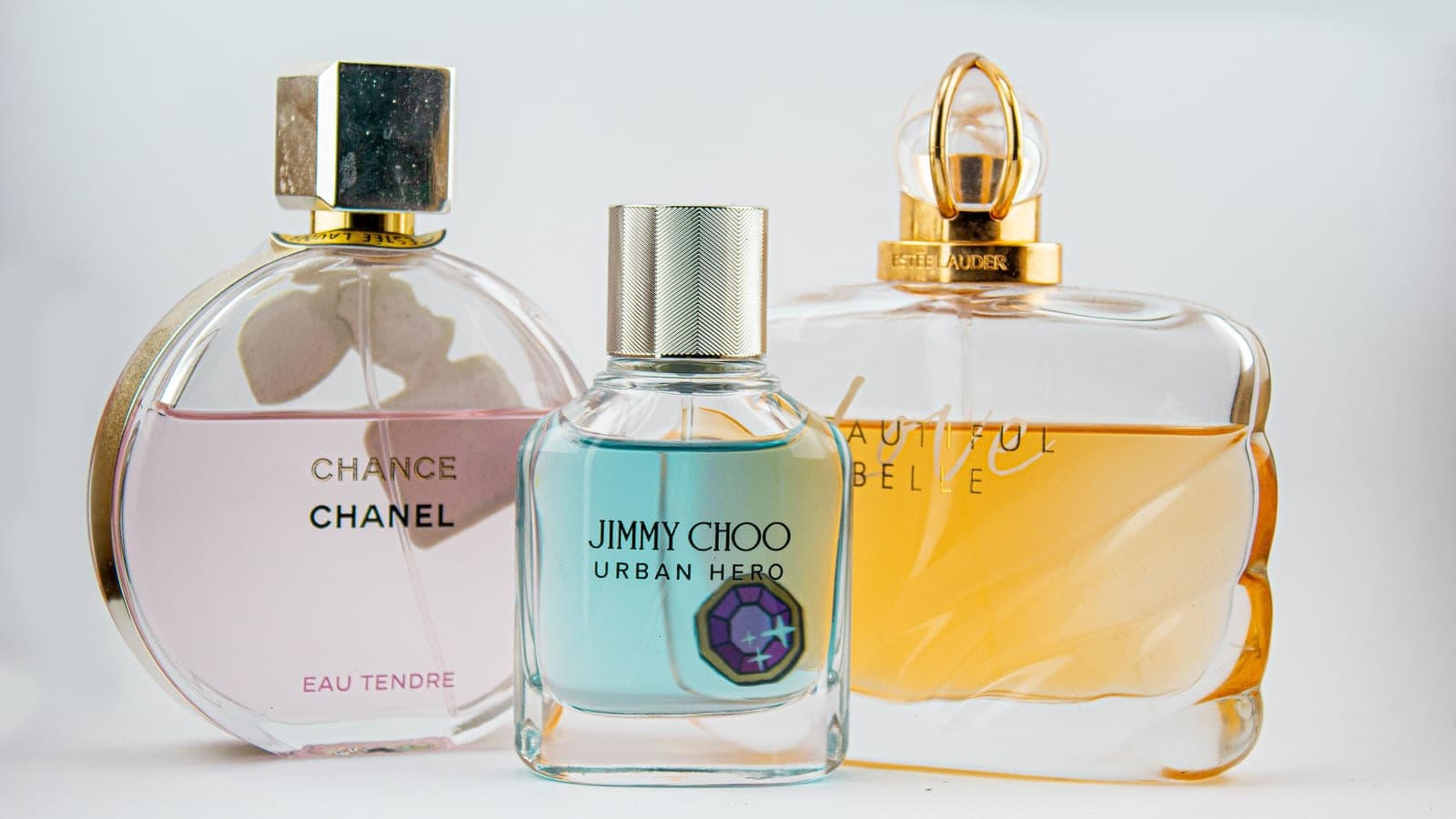
Fragrance concentration is how much perfume oil is in the liquid, and it sets a scent's strength and longevity. From lightest to strongest: Eau de Cologne (2–4%), Eau de Toilette (5–15%), Eau de Parfum (15–20%) and Parfum/Extrait (20–30%). More oil means richer and longer-lasting — not automatically better.
The ladder, with real longevity
| Concentration | Fragrance oil | Longevity | Best for |
|---|---|---|---|
| Eau de Cologne (EDC) | 2–4% | 2–3 hours | Hot days, frequent reapplication |
| Eau de Toilette (EDT) | 5–15% | 3–5 hours | Daytime, office, summer |
| Eau de Parfum (EDP) | 15–20% | 5–8 hours | All-day wear, cold weather, evenings |
| Parfum / Extrait | 20–30% | 8+ hours | Maximum longevity, special occasions |
When the EDP is worth the extra money
Buy the EDT instead, or drop a tier further, if strong fragrance gives you a headache — concentration is the main lever there, and why cologne gives you a headache explains why. Buy the EDP when you want a scent to last a full day, when it is cold (the cold mutes fragrance, so you need the extra strength), or when the EDP is a genuinely different, richer composition rather than just a stronger version — which happens often. Dior Sauvage is a good example: the EDT is a bright ambroxan blast while the EDP is warmer and sweeter, so they are worth owning for different reasons.
When the EDT is the smarter buy
Reach for the EDT when it is hot, when you want something lighter and more casual, or when you would rather reapply a fresh scent through the day than wear one heavy one. In summer especially, a lighter concentration reads clean where a parfum turns cloying — see the best summer colognes. Concentration is about intensity, not quality: a great EDT beats a mediocre parfum every time.
Why concentration is the whole story behind cheap clones
This ladder explains something that confuses almost everyone who buys their first $25 Arabian bottle and finds it out-lasting a $140 designer. The designer is usually an eau de toilette; the clone is usually an eau de parfum, and increasingly an extrait. You are not buying better perfume — you are buying more of it per spray. Our dupe database puts a concentration and a live price-per-millilitre next to every bottle for exactly this reason: it is the only way to compare a 105 ml EDT with a 60 ml EDP honestly.
- Creed Aventus dupes — where the step up from EDT to parfum and extrait genuinely changes the fragrance, not just its volume.
- Dior Sauvage dupes — Sauvage is an EDT, and the one clone formulated as an EDP is the one owners report out-lasting it.
- Bleu de Chanel dupes — the counter-example: both budget takes are EDPs and still read thinner than a Chanel EDT, because the gap is in the blending.
- Baccarat Rouge 540 dupes — original and clones are all EDPs, so concentration cannot close the gap at all.
The pattern across those four pages is the useful takeaway: concentration sets the ceiling on how long a fragrance can last, but it decides nothing about how good it smells. Where a clone wins, it is usually because it is a strength higher than the designer it copies. Where a clone loses, no amount of extra oil rescues it.
One practical footnote: concentration is also the lever to reach for if you are trying to limit how much aromatic material lands on your skin, since an eau de toilette carries less of it per spray than an eau de parfum of the same name. That argument, and the evidence behind it, is in is cologne bad for you.
Questions
Frequently asked
What is the difference between EDT and EDP?
EDP (Eau de Parfum) has more fragrance oil — roughly 15–20% versus 5–15% for EDT (Eau de Toilette) — so it is stronger and lasts longer, typically 5–8 hours against 3–5. EDT is lighter and better for heat and casual daytime wear; EDP is better for all-day longevity, cold weather and evenings.
Which lasts longer, EDT or EDP?
EDP lasts longer — its higher oil concentration means roughly 5–8 hours versus 3–5 for an EDT. Parfum (Extrait) lasts longest of all at 8+ hours. Skin type matters too: oily skin holds any concentration longer than dry.
Is parfum better than EDP?
"Better" is the wrong frame — parfum is stronger and longer-lasting, not higher quality. It is worth it when you want maximum longevity or a richer composition, but it can be overkill for daily or hot-weather wear, where an EDP or even EDT serves you better.
More in Fragrance Guides
Keep exploring fragrance guides
Guide
How to Apply Cologne (Properly)
Where to spray, how much, what not to do, and how to make it last.
Read the guide →
Guide
Fragrance Notes Explained: Top, Heart & Base
Top, heart and base notes explained — how a scent evolves over the day.
Read the guide →
Guide
How to Make Cologne Last Longer
The techniques that actually extend wear time, and the myths that waste your effort.
Read the guide →
Keep reading
Related on Top Note Co
- Cologne vs PerfumeWhy 'cologne' secretly means two different things.
- How to Apply CologneHow many sprays, and how to make any concentration last.
- Best Cologne for MenPut it into practice with the flagship ranking.
- Perfume Oils vs SpraysThe alcohol-free format that sits outside this ladder.
- Dior Sauvage ReviewA clear EDT-vs-EDP example, reviewed.
- Sauvage EDT vs EDP vs Parfum vs ElixirThe whole ladder applied to one fragrance, and where the label stops predicting strength.
- Creed Aventus DupesWhere EDT, parfum and extrait versions of the same clone genuinely differ.
- Baccarat Rouge 540 DupesWhere every bottle is an EDP, so concentration decides nothing.
How we sourced this
Sources
Longevity, sillage and note data are compiled from published manufacturer information and aggregated public reviews, labeled as such — not our own lab measurements. Prices render live from Amazon.