Fragrance Guides
Fragrance Guides
The vocabulary and the basics, explained plainly — no jargon, no gatekeeping.
#ad— We're reader-supported. When you buy through links on this page we may earn an Amazon Associates commission, at no extra cost to you. It never changes a verdict — we routinely point you at the cheaper bottle. Full disclosure.
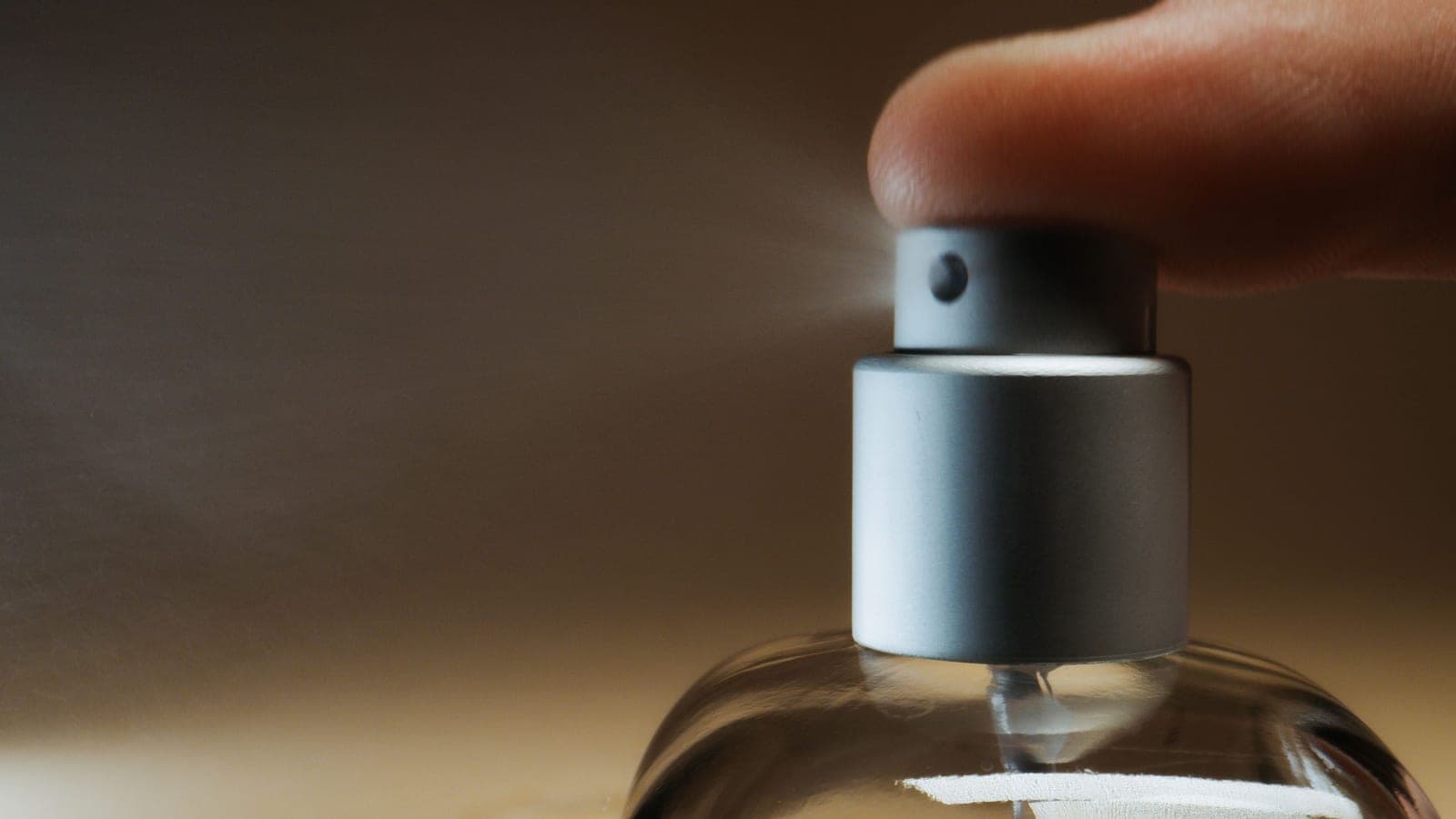
Fragrance has a lot of jargon, and most of it exists to make the hobby sound more exclusive than it is. It is not. Strip away the vocabulary and buying fragrance well comes down to a handful of simple ideas — the ones these guides hand you in plain English.
The words that actually matter
- Notes. The individual smells that make up a fragrance, in three tiers. Top notes are the first impression and burn off within minutes — the brand is literally named for them. Heart notes carry the body of the scent for a few hours; base notes emerge as it dries down and can linger for eight hours or more. The fragrance notes guide breaks the whole pyramid down.
- Concentration. How much perfume oil is in the liquid — the difference between an EDT, an EDP and a parfum. More oil generally means richer and longer-lasting, not "better." It is the single most misunderstood spec, so we gave it its own guide.
- Longevity. How many hours a fragrance lasts on your skin before it fades to nothing.
- Sillage. Pronounced "see-yazh," from the French for a ship's wake — the scent trail you leave behind you as you move.
- Projection. How far the scent radiates from your skin while you stand still — your scent "bubble." A fragrance can project strongly but leave little sillage, or the reverse.
Get those five straight and ninety percent of fragrance writing suddenly makes sense.
The two big beginner questions
Almost everyone new to fragrance asks the same two things first. One: what is the difference between cologne and perfume? The short answer is that "cologne" means two different things — a specific light citrus concentration, and the everyday American word for men's fragrance — and our cologne vs perfume guide untangles it in a paragraph. Two: what do EDT, EDP and parfum mean, and which should I buy? That is the concentration ladder, and the concentrations guide shows exactly when the pricier EDP is worth it and when the EDT is the smarter buy.
Then: how to actually wear it
Knowing what a fragrance is does not tell you how to use it. The most common beginner mistakes are all fixable in five minutes: spraying too much, spraying the wrong places, and rubbing your wrists together (do not — it crushes the top notes). Our guide on how to apply cologne covers where to spray, how many sprays, and how to make a fragrance last without choking the room. Two companion guides go deeper on the questions that follow: how many sprays you actually need and how to make cologne last longer, which separates the techniques that genuinely work from the myths.
Then: the vocabulary that saves you money
Two more guides do the heavy lifting once the basics land. Fragrance families explained gives you the four-way classification perfumers use, which is the single fastest way to stop buying the same kind of bottle twice. And cologne vs body spray sorts out the four products people confuse constantly — cologne, body spray, aftershave and deodorant — and which one your money should actually go on. If you are shopping the expensive end, read how to spot a fake cologne before you click buy.
And the questions everyone asks eventually
Four more guides answer the things people search for once they own a bottle or two. How to pick your first cologne is the practical method for someone starting from nothing. How many colognes you actually need makes the case that the answer is three rather than nine. How to find a signature scent covers the one-bottle route and why the most popular fragrances make poor signatures. And does cologne expire explains how long a bottle really lasts and the storage mistakes that ruin one early.
Why the basics change what you buy
These are not trivia. Knowing that concentration means intensity, not quality, stops you overpaying for a parfum when an EDT would serve you better. Knowing how climate and skin chemistry interact stops you buying a heavy winter amber you will never wear in July. Knowing projection from longevity stops you returning a "weak" fragrance that was actually just sitting close to the skin — exactly where an office scent belongs. Read a couple of these, then head to the best-of rankings and buy from a place of actually knowing what you are choosing.
Four of them answer questions people arrive with rather than questions we thought of: sillage vs projection vs longevity defines the three words this whole site scores on, why cologne smells different on different people explains the skin chemistry behind it, what a flanker is decodes the Intense, Elixir and Extreme badges, and flying with cologne has the TSA and FAA limits in plain numbers.
Everything in this hub
All fragrance guides
Guide
Cologne vs Perfume: What's the Difference?
The real difference between cologne and perfume — concentration, not gender.
Read the guide →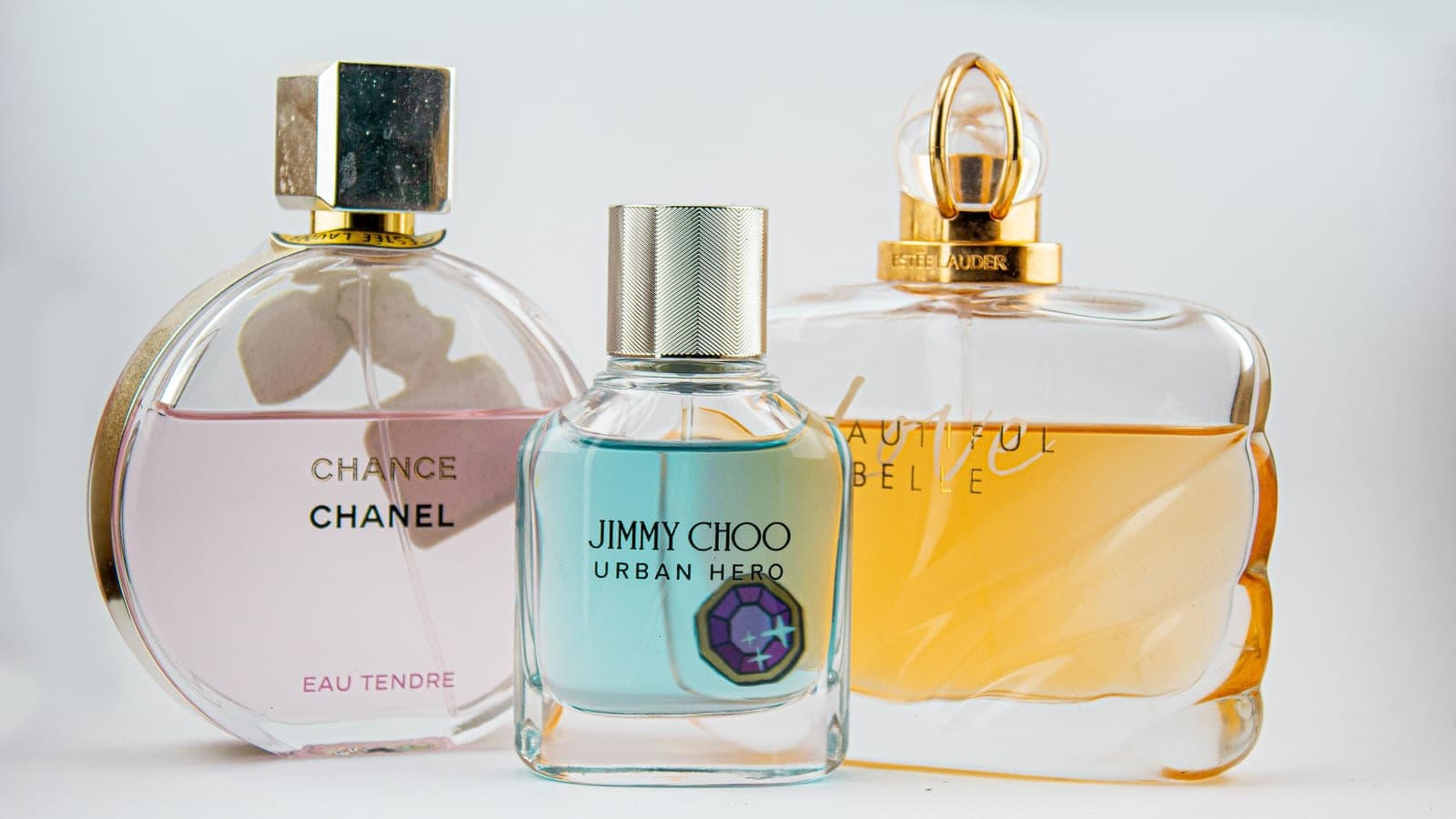
Guide
Fragrance Concentrations: EDT vs EDP vs Parfum
EDC, EDT, EDP and parfum — how long each lasts and which to actually buy.
Read the guide →
Guide
How to Apply Cologne (Properly)
Where to spray, how much, what not to do, and how to make it last.
Read the guide →
Guide
Fragrance Notes Explained: Top, Heart & Base
Top, heart and base notes explained — how a scent evolves over the day.
Read the guide →
Guide
How to Make Cologne Last Longer
The techniques that actually extend wear time, and the myths that waste your effort.
Read the guide →
Guide
Fragrance Families Explained
The four families, what sits in each, and how to use them to buy better.
Read the guide →
Guide
Cologne vs Body Spray, Aftershave and Deodorant
What each product actually is, how they differ, and which one you should buy.
Read the guide →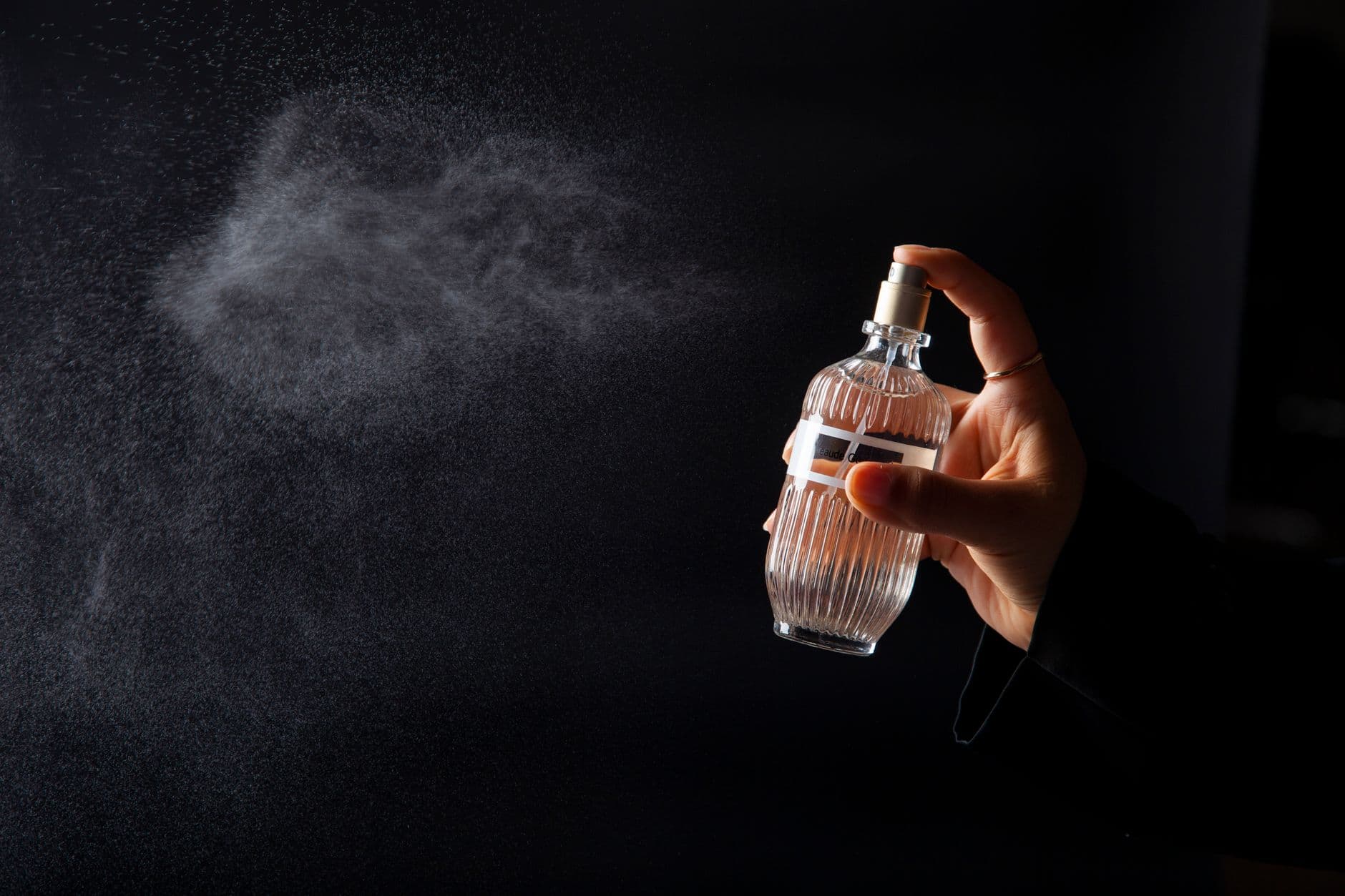
Guide
How Many Sprays of Cologne Should You Use?
The right spray count by concentration, season and occasion — and the trap that causes over-applying.
Read the guide →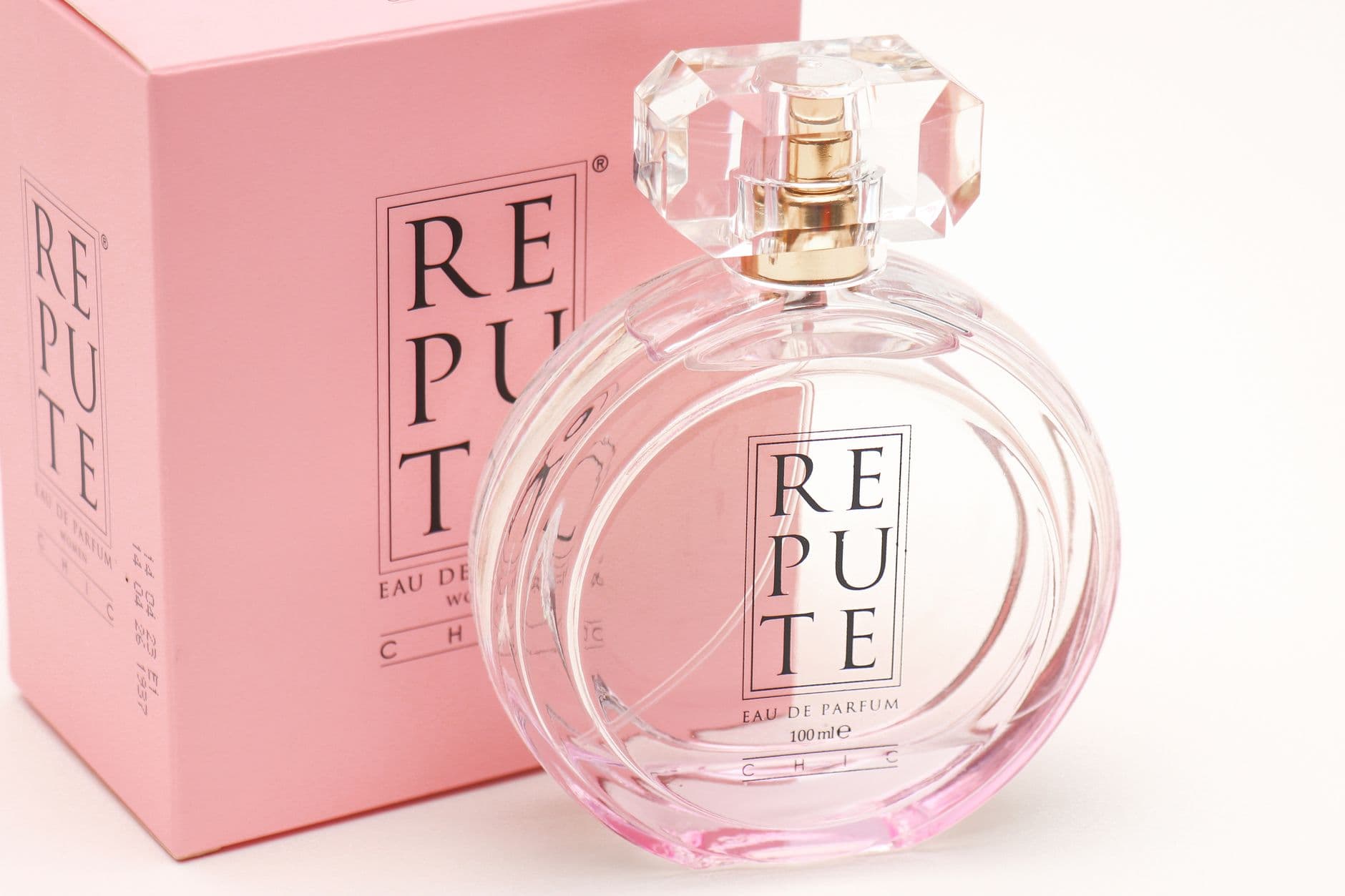
Guide
How to Spot a Fake Cologne
The packaging, batch-code and scent checks that reliably separate real from fake.
Read the guide →
Guide
How to Pick Your First Cologne
A practical method for a first bottle: what to spend, what to ignore, what to avoid.
Read the guide →
Guide
How Many Colognes Do You Actually Need?
Why three bottles covers almost everyone, and why bigger collections go unworn.
Read the guide →
Guide
How to Find Your Signature Scent
What makes a fragrance work as a signature, and a real method for finding yours.
Read the guide →
Guide
Does Cologne Expire?
How long cologne really lasts, how to tell when it has turned, and how to store it properly.
Read the guide →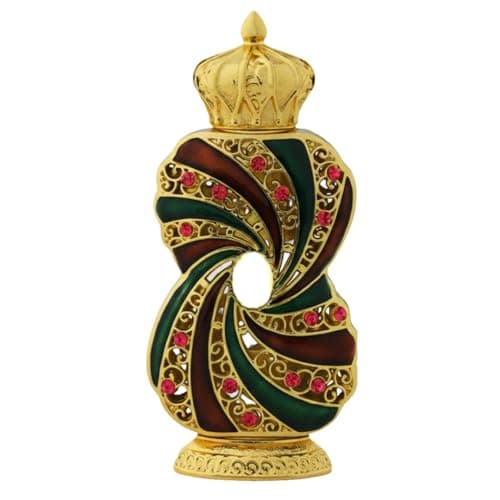
Guide
Perfume Oils vs Sprays
What attars and concentrated perfume oils are, whether they last longer, and when to buy one.
Top pick: Al Haramain Tanasuk Concentrated Perfume Oil (12 ml)
Guide
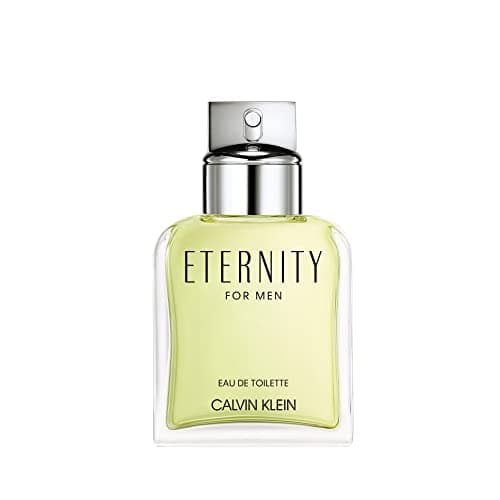
Cologne vs Aftershave: What's the Difference?
Aftershave is skincare that smells nice; cologne is fragrance. What each is actually for.
Top pick: Calvin Klein Eternity For Men
Guide
Cologne vs Deodorant: What Each One Does
Why cologne cannot replace deodorant, what antiperspirant does differently, and the right order.
Read the guide →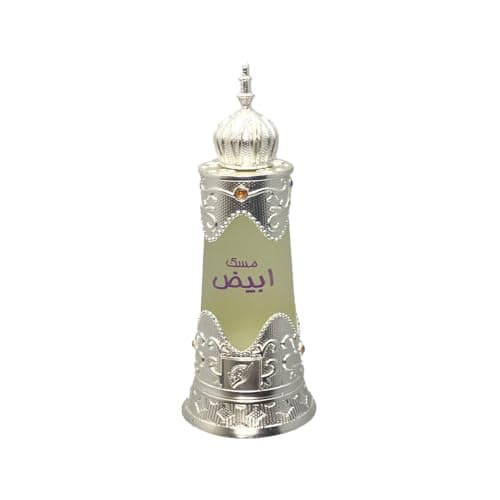
Guide
How to Layer Fragrances Properly
The base-plus-accent rule, which combinations work, and why most layering fails.
Top pick: Afnan Musk Abiyad Concentrated Perfume Oil (20 ml)
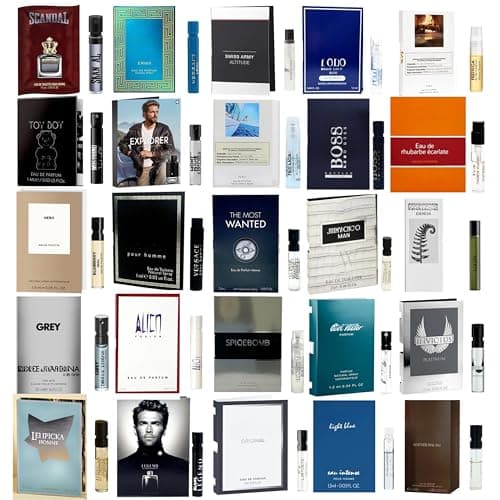
Guide
How to Test Cologne Properly
Strips versus skin, how many to try at once, and why the coffee beans are theater.
Top pick: Infinite Scents Cologne Samples — 12 Brands
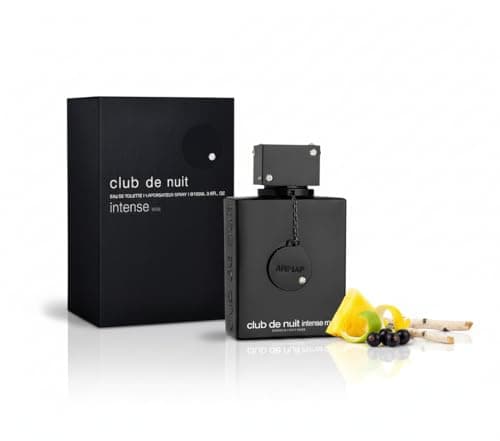
Guide
Sillage vs Projection vs Longevity
What sillage, projection and longevity each measure — and why a 24-hour fragrance can still be invisible.
Top pick: Armaf Club de Nuit Intense Man
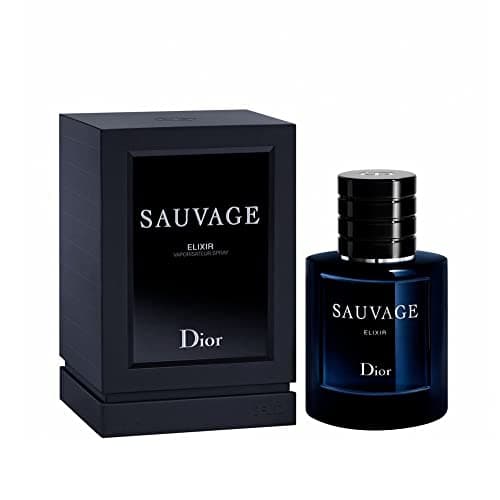
Guide
What Is a Flanker Fragrance?
Flankers explained: what the Intense, Elixir and Extreme versions actually are, and when one is worth owning.
Top pick: Dior Sauvage Elixir
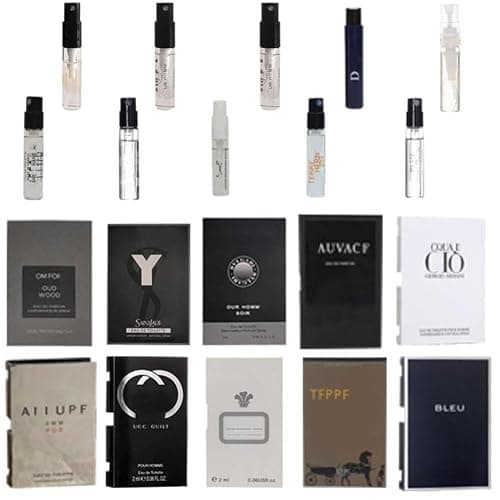
Guide
Why Cologne Smells Different on Different People
Skin oil, pH, temperature and microbiome — why the same bottle behaves differently on you, and what to do.
Top pick: Designer Cologne Sampler Set — 10 Vials
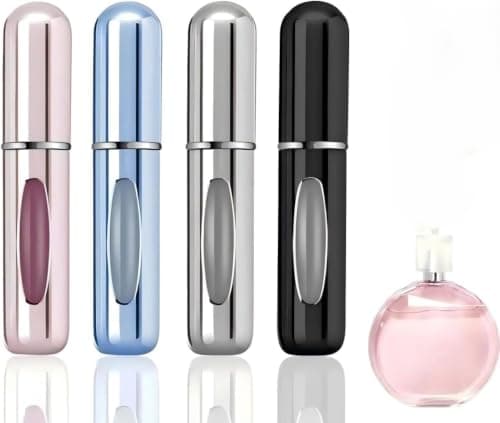
Guide
Flying With Cologne: What You Can Actually Take
The TSA and FAA rules for taking cologne on a plane, plus the formats that make traveling with fragrance simple.
Top pick: Refillable Travel Atomizers (4 × 5 ml)
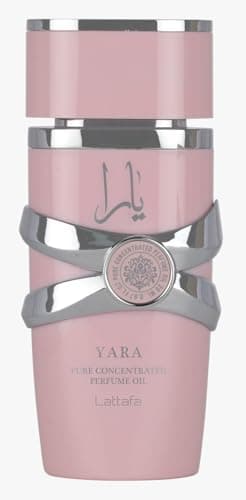
Guide
Cologne for Sensitive Skin
Why cologne irritates skin, how to wear it anyway, and the alcohol-free bottles that fix it.
Top pick: Lattafa Yara Concentrated Perfume Oil (20 ml)
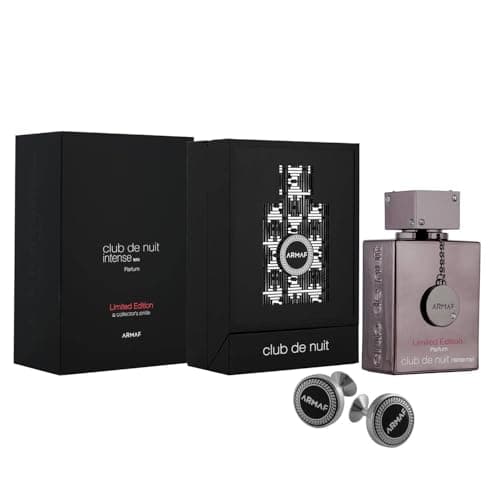
Guide
Why Does My Cologne Smell Like Alcohol?
The alcohol blast explained — when it is normal, when it is a bad bottle, and what to buy instead.
Top pick: Armaf Club de Nuit Intense Limited Edition Parfum
Guide
How Many Sprays Are in a Bottle of Cologne?
The spray maths for every common bottle size, and what a fragrance really costs per wear.
Top pick: Armaf Club de Nuit Intense Man
Guide
Is the Cologne You Buy Online Real?
How to read a fragrance listing for authenticity, which bottles carry real risk, and the safe routes to each.
Top pick: Armaf Club de Nuit Intense Man
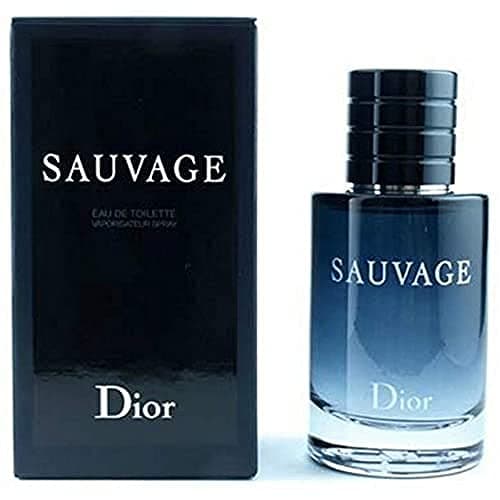
Guide
What Is Ambroxan?
The ambergris substitute behind most modern men's fragrance — what it is, what it smells like, and whether you like it.
Top pick: Dior Sauvage EDT
Guide
Why Is Cologne So Expensive?
Where the money in a designer bottle actually goes, which premiums are real, and how to buy well anyway.
Top pick: Armaf Club de Nuit Intense Man
Guide
Why Can't I Smell My Own Cologne?
Olfactory adaptation explained — why your own fragrance disappears, how to reset, and when the bottle is genuinely at fault.
Top pick: Designer Cologne Sampler Set — 10 Vials
Guide
Can You Spray Cologne on Clothes?
Fabric versus skin: longevity, staining risk by material, and the safer way to get a fragrance through a full day.
Top pick: Refillable Travel Atomizers (4 × 5 ml)
Guide
Why Does Cologne Give Me a Headache?
What the research says about fragrance-triggered headaches, and the practical changes that let most people keep wearing something.
Top pick: Afnan Musk Abiyad Concentrated Perfume Oil (20 ml)
Guide
Cologne Etiquette: Where You Can and Cannot Wear It
Where fragrance is welcome, where it is not, and how to wear it in close quarters without becoming the problem.
Top pick: Calvin Klein Eternity For Men
Guide
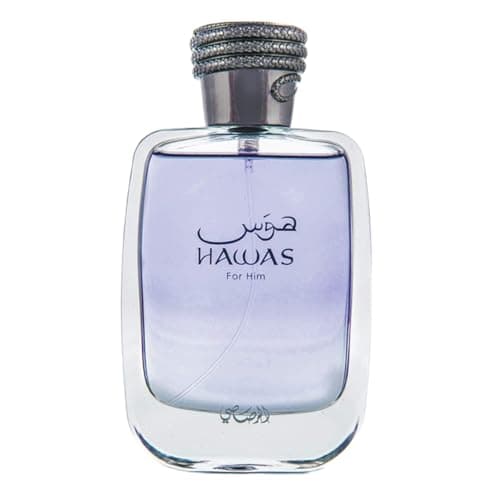
Does Cologne Need to Macerate?
Maceration explained honestly — what the term means, what the evidence supports, and what to do with a weak new bottle.
Top pick: Rasasi Hawas For Him
Guide
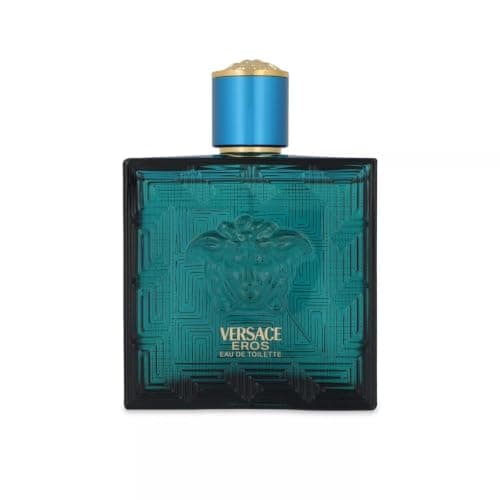
Do Pheromone Colognes Actually Work?
The honest answer on pheromone colognes, with the research, and three bottles that work for the normal reason.
Top pick: Versace Eros
Guide
How to Smell Good All Day
The full routine behind smelling good all day, from antiperspirant to fabric to the last spray.
Top pick: Rasasi Hawas For Him
Guide
Is Cologne Bad for You?
What the FDA, CDC and EU have actually concluded about fragrance ingredients - and the gaps they admit to.
Top pick: Designer Cologne Sampler Set — 10 Vials