Fragrance Guides · Fragrance Guides
How to Apply Cologne (Properly)
Where to spray, how many sprays, and the simple habits that make a fragrance last all day without overwhelming the room.
#ad— We're reader-supported. When you buy through links on this page we may earn an Amazon Associates commission, at no extra cost to you. It never changes a verdict — we routinely point you at the cheaper bottle. Full disclosure.
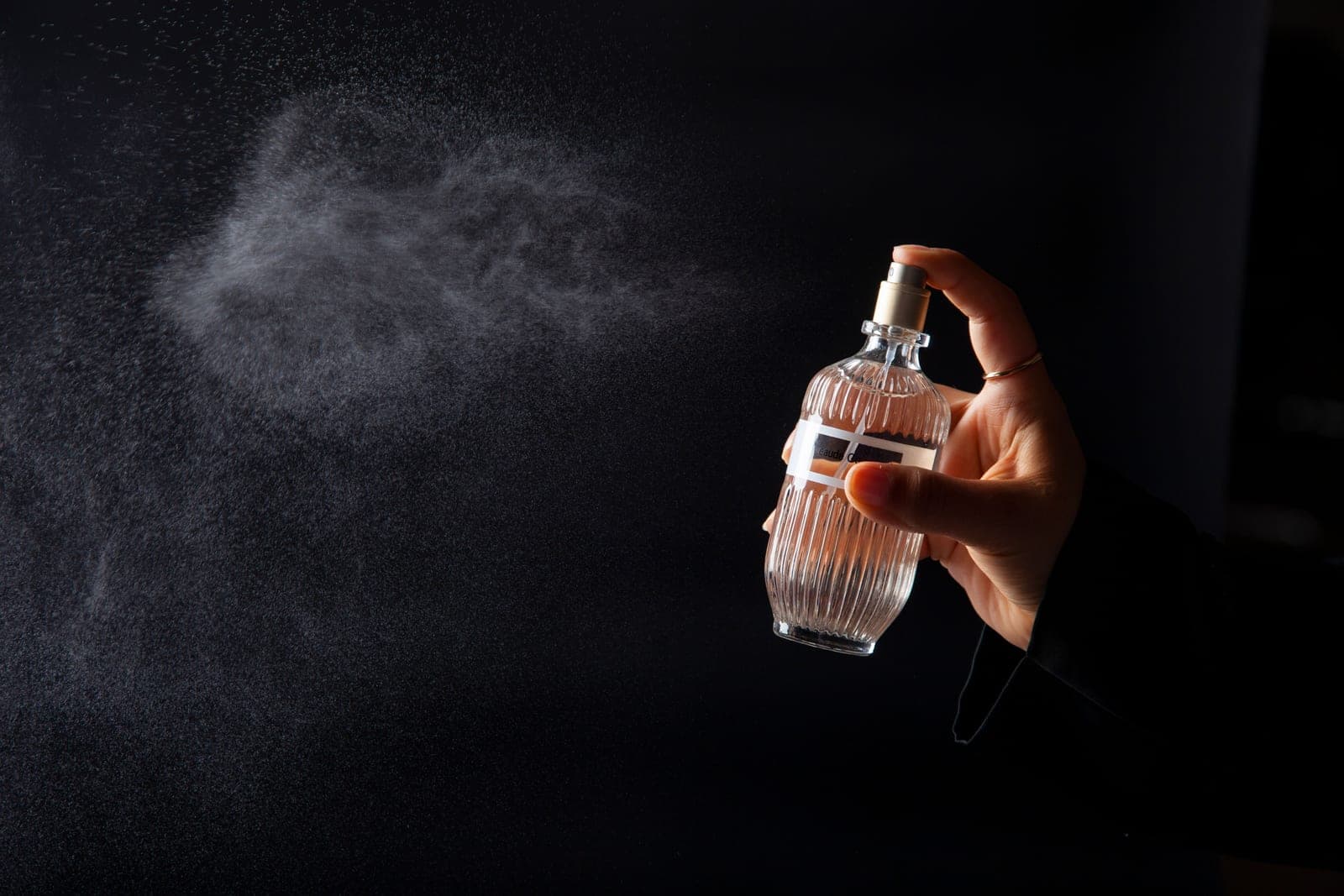
To apply cologne properly: spray two to four times onto clean, moisturized skin at your pulse points — the base of the neck, the chest, and the inner forearms — from about six inches away, and do not rub. That is the whole method. Everything below is the detail that makes it last and stops you overdoing it.
Where to spray
Aim for warm pulse points, where blood flow near the surface gently heats and diffuses the scent: the base of the neck, the chest, and the inner forearms. Some people add a spray to clothing (a jacket lapel, a scarf), which makes a fragrance last far longer because fabric holds scent better than skin — just test on an inconspicuous spot first, since some fragrances can stain.
How many sprays
For most EDTs and EDPs, two to four sprays total is right. Strong performers — beast-mode scents like Versace Eros or Lattafa Khamrah — need fewer, maybe one or two, because they project hard. Light fresh scents can take a couple more. The rule of thumb: you should be able to smell yourself faintly when you move, but the people around you should discover it, not be hit by it. When in doubt, apply less — you can always add one more.
The mistakes to avoid
Do not rub your wrists together after spraying — it generates heat and friction that crushes the delicate top notes and makes the scent fade faster. Do not spray onto dry skin if you can help it: moisturized skin holds fragrance longer, so a quick unscented lotion first genuinely extends longevity. And do not over-apply because you "can't smell it anymore" — that is nose fatigue, not a weak fragrance; you have simply gotten used to it while everyone else still smells it clearly.
How to make it last longer
Three habits do most of the work: moisturize before you spray, hit clothing as well as skin, and choose a higher concentration (an EDP over an EDT) when longevity matters. Some scents are simply short-lived by nature — many fresh summer colognes fade fast no matter what — so if all-day performance is non-negotiable, pick a known performer from the best cologne ranking.
Questions
Frequently asked
How many sprays of cologne should I use?
Two to four sprays for most fragrances. Strong, beast-mode scents need fewer (one or two); light fresh scents can take a couple more. You should catch it faintly when you move, while others discover it up close rather than being hit by it. When unsure, apply less.
Should you rub cologne into your skin?
No — rubbing (especially wrists together) creates heat and friction that crushes the top notes and makes the scent fade faster. Spray and let it dry on its own.
Where should you apply cologne?
On warm pulse points: the base of the neck, the chest, and the inner forearms, from about six inches away. A spray on clothing makes it last longer, since fabric holds scent better than skin — just patch-test for staining first, and see can you spray cologne on clothes for the risk fabric by fabric.
Why can't I smell my own cologne after a while?
That is nose fatigue (olfactory adaptation) — your brain tunes out a constant smell. It does not mean the fragrance has faded; everyone around you can still smell it. Resist the urge to re-spray, or you will end up wearing far too much. The mechanism, and how to reset your nose, is in why you cannot smell your own cologne.
More in Fragrance Guides
Keep exploring fragrance guides

Guide
Fragrance Notes Explained: Top, Heart & Base
Top, heart and base notes explained — how a scent evolves over the day.
Read the guide →
Guide
How to Make Cologne Last Longer
The techniques that actually extend wear time, and the myths that waste your effort.
Read the guide →
Guide
Fragrance Families Explained
The four families, what sits in each, and how to use them to buy better.
Read the guide →
Keep reading
Related on Top Note Co
- Fragrance ConcentrationsWhy concentration drives how long a scent lasts.
- Best Summer ColognesFresh scents fade fast — these are the ones that hold.
- Cologne Samples for MenTest a scent properly before you commit.
- Perfume Oils vs SpraysHow application changes when there is no alcohol.
- Best Cologne for BeginnersSafe first bottles to practice on.
- How to Layer FragrancesApplying two fragrances without ruining both.
- Cologne vs DeodorantThe order to apply them in.
How we sourced this
Sources
Longevity, sillage and note data are compiled from published manufacturer information and aggregated public reviews, labeled as such — not our own lab measurements. Prices render live from Amazon.