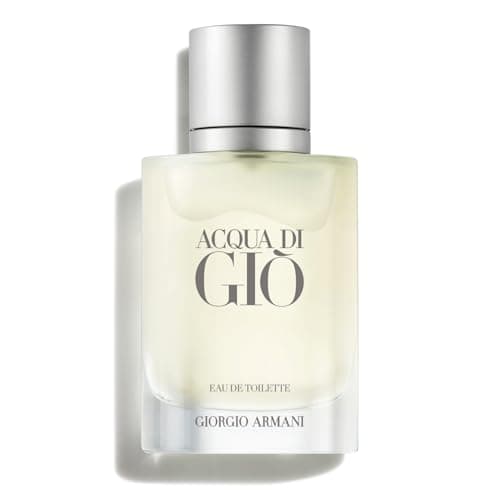
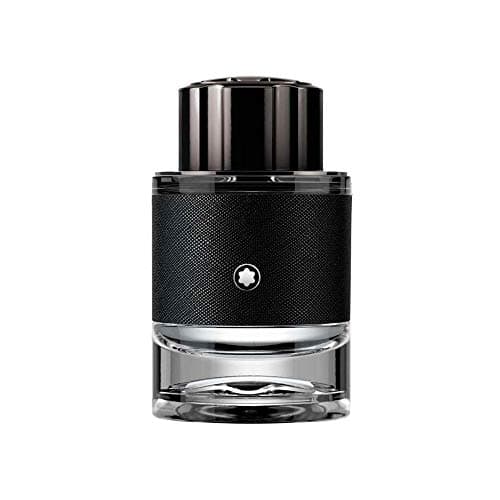
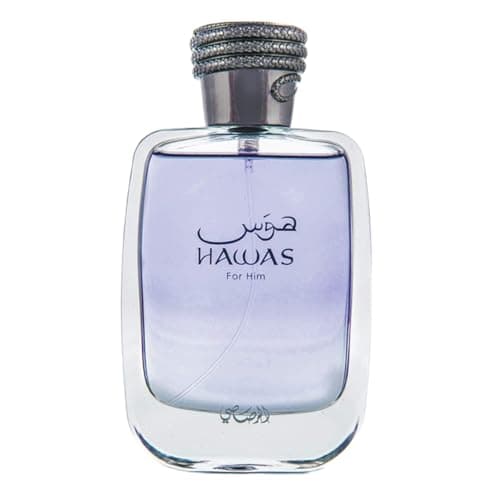
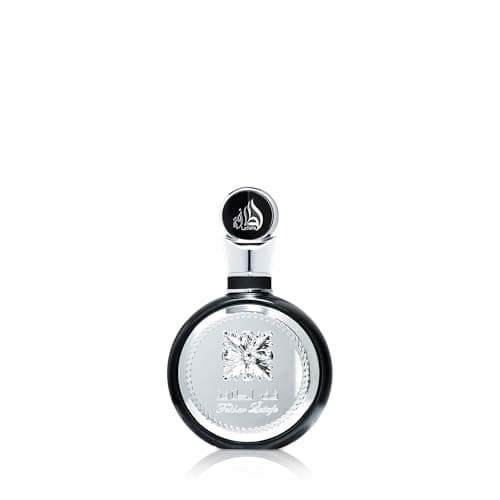
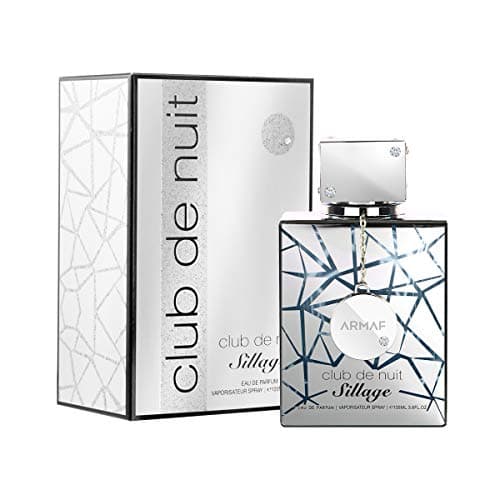
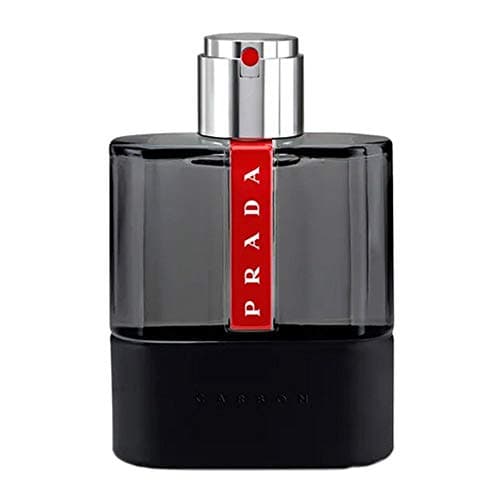
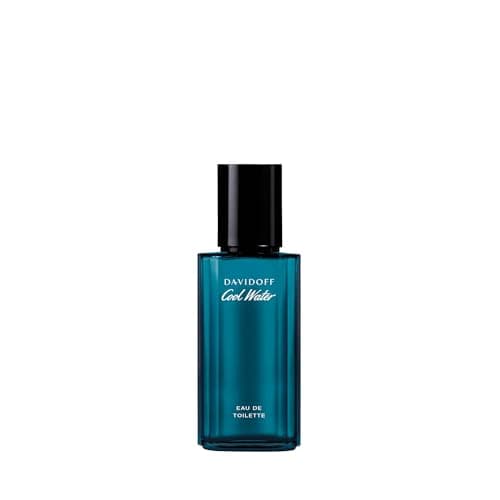
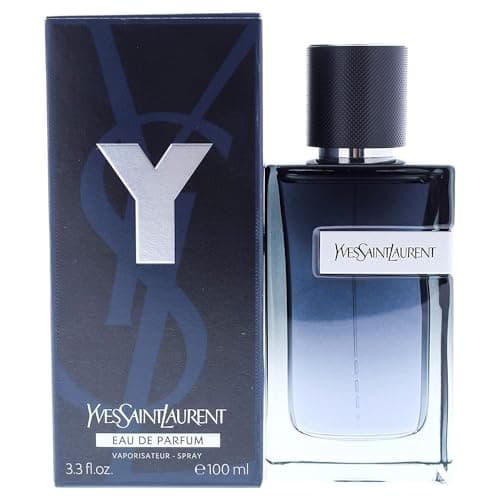
Spring is the season fragrance advice tends to skip, and it is the one that most needs the help. It is not summer — the aquatics that work in August read thin and cold in April. It is not winter either; the ambers and tobaccos that felt right in January turn heavy the moment the temperature climbs. What actually works is a narrower band than either neighboring season, which is why a separate list exists.
What changes in spring
Two things, and they pull against each other. Temperature swings are wide — a cold morning and a warm afternoon in the same day — so a fragrance tuned precisely for one end of that range will be wrong at the other. And the humidity that amplifies scent in summer is not there yet, so anything too transparent simply will not register.
The practical answer is a fragrance with a bright top and a genuine base underneath: something that reads fresh in the warmth but has enough woody or musky substance to survive a cold snap. That is a real structural requirement, and it rules out most of the pure aquatics in our summer ranking and all of the dense gourmands in the winter one.
The three spring lanes
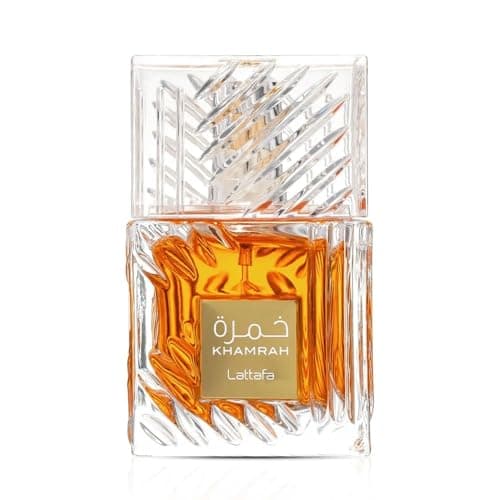
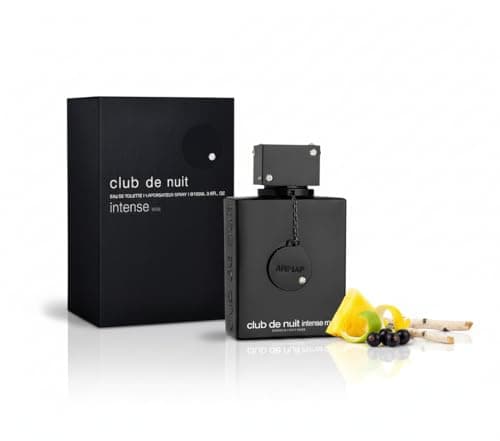
Green and aromatic — sage, violet leaf, galbanum, lavender — is the most seasonally appropriate group and the one that actually smells like the time of year. Bright citrus with a woody base is the safe, versatile choice and covers the temperature swing better than anything else. Light fruity-floral scents are the third option, more distinctive and slightly riskier, and the closest men's fragrance gets to smelling like blossom without being obvious about it.
What we have deliberately left out: anything sweet and heavy, and anything purely aquatic. Both are excellent in their own seasons and both are slightly wrong here.
How this list is ordered
Rank is an editorial judgment about which bottle handles the specific demands of this season — brightness with enough substance to survive a cold morning — rather than a sort of the scores. Our published rubric weights value equally with longevity, sillage, projection and versatility, so cheaper picks carry higher overall numbers while sitting lower here. Read the rank as fitness for spring.
How to buy for spring
Buy for the cold morning, not the warm afternoon
If you have to choose, err slightly heavier. A fragrance with some woody or musky weight will still read as fresh when the temperature rises, but a genuinely light aquatic will simply disappear on a cold morning. This is the opposite of the advice for summer and it is the single most common spring mistake.
One bottle can genuinely cover the season
Spring is short and its requirements are narrow, which makes it a poor season to buy specifically for. A versatile bright-woody fragrance handles spring and doubles as an office or year-round scent — several picks here also appear in our office ranking. If you are building a wardrobe rather than collecting, spend on a versatile fresh and let it cover both.
Concentration matters less here than in winter
Mild weather is the friendliest condition for a fragrance — neither cold air muting it nor heat blowing it out — so an eau de toilette that struggles in January often performs perfectly well in April. This is the one season where the cheaper concentration is genuinely fine, which the concentrations guide explains in more detail.
Sample before the season, not during it
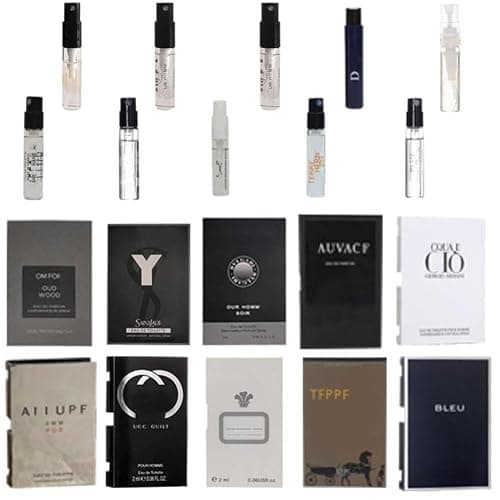
Spring is short. If you wait until it arrives to work out what you want, you will spend half of it testing and the other half wearing the wrong thing. A discovery set in late winter is the practical move.