Samples & Discovery · Samples & Discovery
How to Build a Fragrance Collection
Three bottles, chosen deliberately, beat fifteen bought impulsively — here is the order to buy them in.
#ad— We're reader-supported. When you buy through links on this page we may earn an Amazon Associates commission, at no extra cost to you. It never changes a verdict — we routinely point you at the cheaper bottle. Full disclosure.
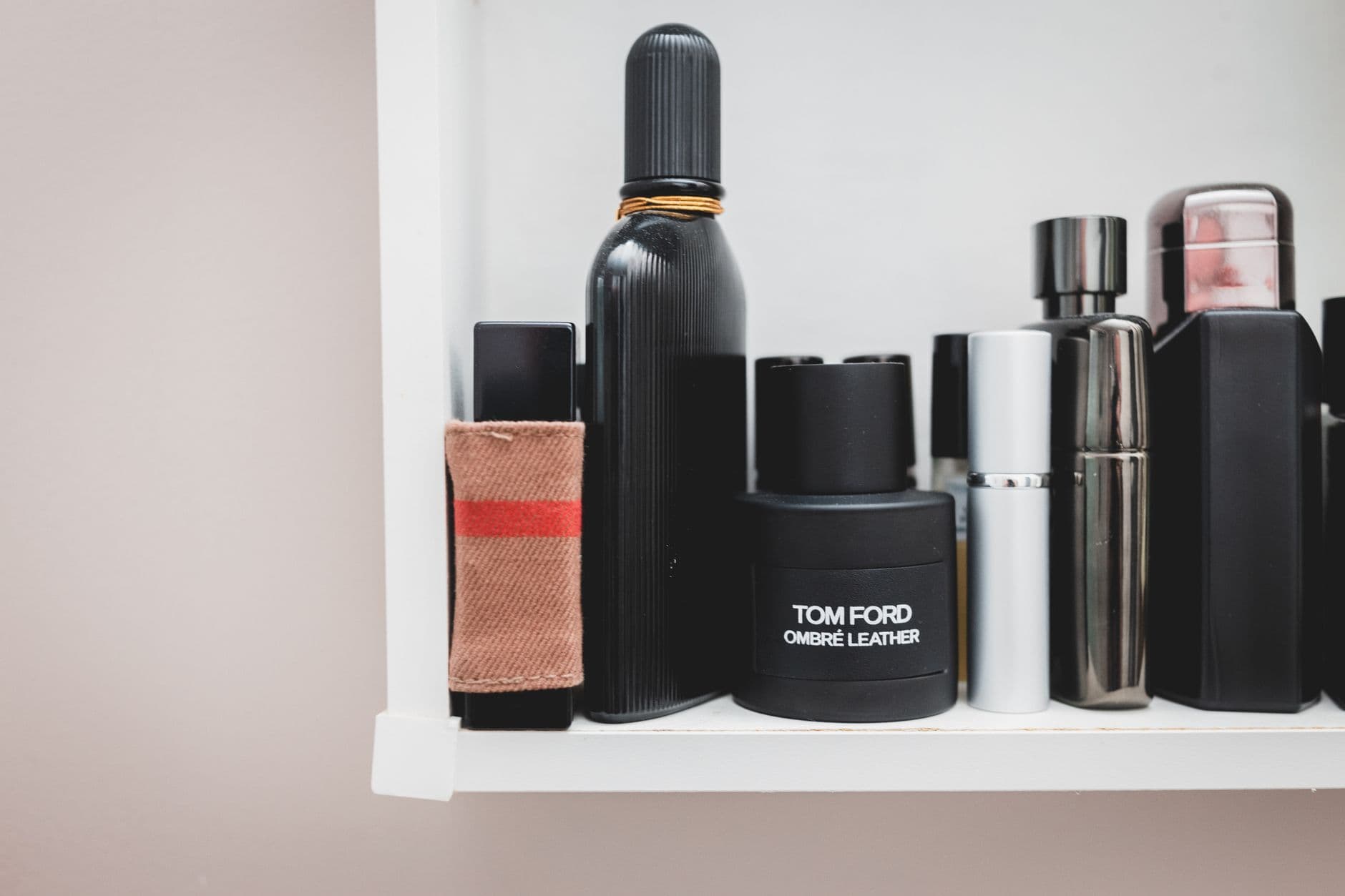
Most fragrance collections are not built, they accumulate — a gift here, an impulse buy there, a bottle bought because a video was enthusiastic about it. The result is usually a shelf where two bottles get worn and the rest slowly evaporate. A collection built deliberately needs far fewer bottles and gets far more use, and the whole method fits in one page.
How many bottles do you actually need?
Three, for most people. A warm one for cold weather, a fresh one for heat, and something with more presence for evenings. That covers close to every occasion an ordinary life contains, and you can build it for well under a hundred dollars using the budget tier. Five is a comfortable ceiling if you also want an office-specific scent and something formal. Beyond about eight, you are collecting rather than wearing, which is a perfectly good hobby but a different one.
The practical constraint people forget is that fragrance does not keep forever. An opened bottle is generally good for somewhere around three to five years depending on storage, and citrus-heavy fresh scents turn sooner than dense ambers. Ten bottles means most of them will degrade before you finish them. Fewer bottles, worn more, is genuinely better value.
The slots, in the order to fill them
1. The daily driver. Something clean, versatile and hard to wear wrong that you could put on any morning without thinking. This is the bottle you will empty. Our beginner ranking is built almost entirely around this slot.
2. The cold-weather bottle. Warm, sweet or spicy — amber, vanilla, tobacco, cinnamon. This is where the budget houses are strongest, so it is the cheapest genuinely excellent slot to fill. See the winter ranking.
3. The evening bottle. Denser, more distinctive, more adult. It does not need to be loud; it needs to be interesting at close range. The date-night ranking is this slot.
4. The office bottle, if your daily driver is too loud for a shared room — quiet, clean and professional, covered in the office ranking. 5. The formal bottle, if weddings and black tie are a regular feature. Most people never need slots four and five.
The mistakes that create dead shelves
Buying by hype. The most-recommended bottle of any given year is recommended because it appeals broadly, not because it suits you. Buying duplicates without realizing. This is the quiet killer — two fresh aquatics or two Silver Mountain Water clones occupy the same slot, and the second one never gets worn. Buying full bottles blind. A discovery set costs less than one bottle and prevents several bad ones. Buying for a life you do not have. A formal fragrance is a waste if you attend one wedding every three years.
Storage, briefly, because it decides how long this lasts
Heat, light and air are what destroy fragrance, in that order. A bathroom shelf is the worst place in the house — the temperature swings every time you shower. A drawer or a closed cupboard away from a radiator and out of direct sun is all it takes, and boxes genuinely help. Keep bottles upright, leave them sealed when not in use, and do not decant into cheap plastic for long-term storage.
Rotation: how to actually get through what you own
A collection only works if the bottles get used, and the failure mode is always the same — one favorite gets worn constantly while the others sit. The fix is to attach bottles to circumstances rather than to moods. The fresh one is what you wear when it is warm; the warm one is what you wear when it is cold; the evening one comes out when you are going out. Decisions made in advance survive the five seconds you actually spend choosing.
There is a practical benefit beyond tidiness. Wearing the same fragrance every day makes your nose adapt to it, and adaptation is what drives people to spray more and more of something they can no longer detect. Rotating across three bottles keeps each one legible to you and stops the creeping over-application covered in our spray-count guide.
What a finished collection looks like on a small budget
To make this concrete: a warm gourmand for winter, a clean fresh for summer, and a darker amber or tobacco for evenings will cover the overwhelming majority of what an ordinary year asks for. All three can come from the under-$50 tier and still be genuinely good, because the budget houses are strongest in exactly the warm and dark directions that two of those slots need. That is a complete, useful wardrobe for less than the price of one mid-tier designer bottle — which is the whole argument for building deliberately rather than accumulating.
When to buy the expensive one
After the three core slots are filled with things you genuinely wear, not before. At that point you know your own taste well enough to spend confidently, and a more expensive bottle is a considered upgrade rather than a gamble. Our designer vs niche comparison covers what the extra money actually buys — and, honestly, when it buys very little.
Questions
Frequently asked
How many colognes should I own?
Three covers most people properly: a versatile daily driver, a warm bottle for cold weather, and something with more presence for evenings. Five is a comfortable maximum if you also want an office-specific and a formal option. Past about eight you will not get through them before they start to degrade.
What order should I buy fragrances in?
Daily driver first — the clean, versatile one you could wear any morning. Then a warm cold-weather bottle, which is the cheapest slot to fill well because the budget houses excel there. Then an evening scent. Office and formal bottles are optional and most people never need them.
How long does cologne last before it goes bad?
Roughly three to five years once opened, depending heavily on storage. Heat and light are the enemies, so a bathroom shelf is the worst possible spot. Fresh citrus-driven scents turn sooner than dense ambers and gourmands, which are relatively robust.
Should I have a signature scent or a rotation?
Both work, and it is genuinely a preference. A signature scent becomes associated with you and is simpler to maintain; a small rotation matched to season and occasion gets more out of each bottle and avoids the olfactory fatigue that makes you over-apply. What does not work is fifteen bottles rotated at random — nothing becomes familiar.
More in Samples & Discovery
Keep exploring samples & discovery
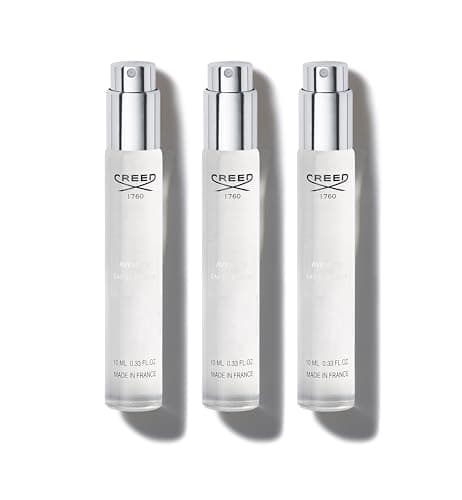
Guide
Fragrance Decants, Explained
What decants are, what they should cost, and how to avoid the fakes.
Top pick: Creed Aventus Atomizer Set (3 × 10 ml)
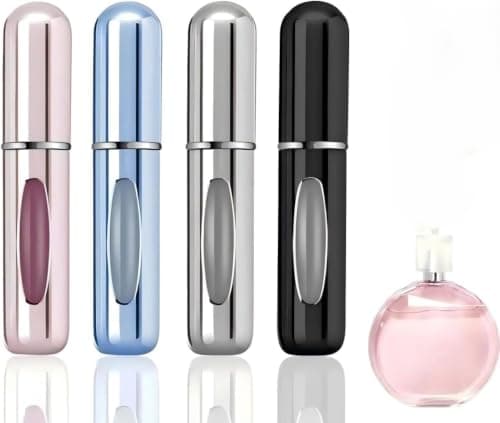
Roundup
Travel-Size Cologne: What to Carry
Atomizers, brand travel sprays and alcohol-free oils — what actually works away from home.
Top pick: Refillable Travel Atomizers (4 × 5 ml)
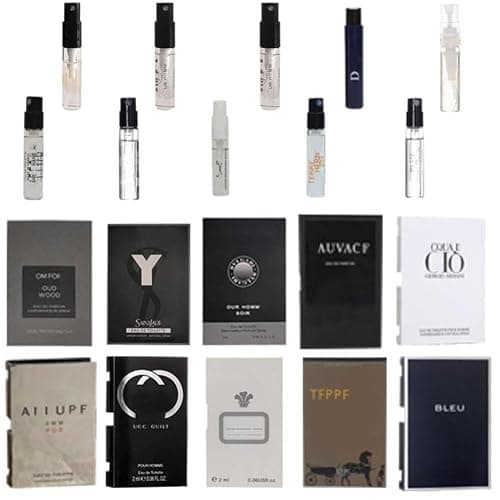
Roundup
The Best Cologne Sampler Sets
The best designer discovery sets, ranked with live prices — try before you buy.
Top pick: Designer Cologne Sampler Set — 10 Vials
Keep reading
Related on Top Note Co
- Best Discovery Sets for BeginnersThe cheapest way to work out what belongs in each slot.
- Best Cologne Under $50Fill all three core slots for less than one designer bottle.
- Best Cologne for MenThe flagship ranking, for the daily-driver slot.
- Fragrance Families ExplainedThe vocabulary that stops you buying the same slot twice.
- Travel-Size CologneWhich two bottles a trip actually needs.
How we sourced this
Sources
Longevity, sillage and note data are compiled from published manufacturer information and aggregated public reviews, labeled as such — not our own lab measurements. Prices render live from Amazon.