Fragrance Guides · Fragrance Guides
How to Make Cologne Last Longer
Four things genuinely work, several popular tricks do nothing, and one common piece of advice actively damages the fragrance.
#ad— We're reader-supported. When you buy through links on this page we may earn an Amazon Associates commission, at no extra cost to you. It never changes a verdict — we routinely point you at the cheaper bottle. Full disclosure.
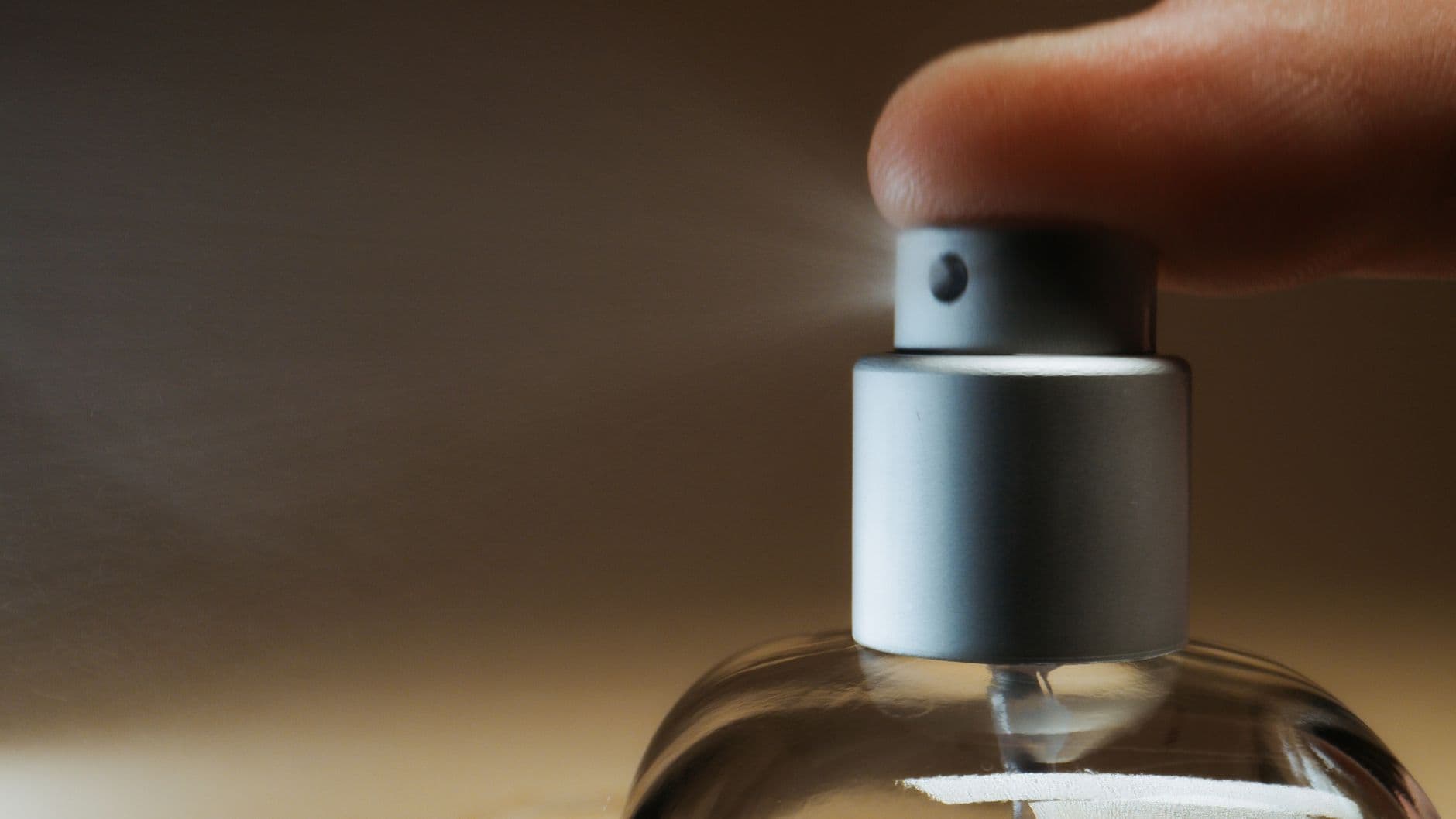
Cologne lasts longer on moisturized skin, on fabric, in higher concentrations, and when you stop rubbing it in. Everything else you have read about this is either marginal or false. Below is the honest version, separated into what works, what does not, and the uncomfortable truth that no technique can fix a fragrance that was built to be quiet.
Start here: the bottle sets the ceiling
No application trick will turn a four-hour fragrance into a ten-hour one. Longevity is mostly determined by concentration and by the materials in the composition — heavy base notes like amber, vanilla, tobacco, oud and resins simply evaporate more slowly than citrus and aquatic notes do. An eau de toilette built on bergamot will fade by lunch no matter what you do to your skin, and that is not a fault; it is what the perfumer designed.
If longevity is genuinely your priority, buy for it. An eau de parfum has more oil than an eau de toilette, and warm-family scents outlast fresh ones — which is why the sub-thirty-dollar Arabian EDPs in our budget ranking routinely outlast designer eaux de toilette costing four times as much. The concentrations guide explains what each label legally means.
What actually works
1. Apply to moisturized skin. This is the single most effective technique, and it is not folklore — fragrance oil clings to moisturized skin and evaporates faster from dry skin. An unscented moisturizer on the spots you spray, applied first, makes a genuine and noticeable difference. People with dry skin lose fragrance fastest and gain most from this.
2. Spray onto warm pulse points, on skin. The base of the throat, the chest, behind the ears and the inner elbows are warm, and warmth drives the slow release that carries a fragrance through a day. Distance matters too: roughly a hand's width, so you get a fine even mist rather than a concentrated wet patch that evaporates unevenly.
3. Use fabric deliberately. Fabric holds base notes far longer than skin does — a scarf or a coat collar can carry a scent for days. The trade-off is that clothing does not warm the fragrance the way skin does, so it develops less. Skin for the character, fabric for the endurance; a spray on each is the practical answer. Note that some oils can mark delicate or light fabrics, so keep it off silk and pale shirts.
4. Apply straight after a warm shower. Clean skin has no competing residue, and it is still warm and slightly damp, which is close to ideal. This is also the easiest habit to actually keep.
What does not work
Rubbing your wrists together. This is the one piece of advice that actively harms the fragrance. The friction and heat crush the delicate top notes and accelerate evaporation, so you get a shorter, flatter wear. Spray and let it dry.
Petroleum jelly as a base. Widely repeated and largely ineffective — an occlusive barrier is not the same as moisturized skin, and most people report no meaningful gain. Plain unscented moisturizer is the version of this that works.
Spraying into the air and walking through it. You lose most of the fragrance to the room and to the floor. It is a way to use up a bottle, not a way to wear one.
Spraying more. Over-application makes a scent louder at the start; it does not extend the tail meaningfully, and it is how people end up being asked to tone it down at work. The spray-count guide covers the right number properly.
The thing that fools everyone: your own nose
Olfactory fatigue means you stop detecting your own fragrance within about fifteen to thirty minutes, while everyone around you still smells it perfectly. An enormous share of "my cologne does not last" complaints are actually this. Before concluding a fragrance has died, ask someone else, or smell a patch of clothing rather than your own skin — the contrast usually resolves it.
Layering, and whether it is worth the effort
Layering means building the same scent in stages — a matching shower gel or unscented base, then the fragrance itself — so there is more of it on you and more surfaces holding it. Where a brand sells a matching body product, this genuinely helps, and it is the one commercial upsell in fragrance that is not nonsense. Where it does not, an unscented moisturizer does most of the same work for less money.
What does not work is layering two different fragrances hoping for more longevity. You get a muddier smell rather than a longer-lasting one, because the two compositions were never designed to sit together. If you want to combine scents deliberately that is its own skill — but it is a creative choice, not a performance technique.
Store it properly or none of this matters
Heat, light and air degrade fragrance, and a bathroom shelf subjects a bottle to all three every time you shower. A drawer or cupboard away from radiators and sunlight will keep a bottle in good condition for years; a sunny windowsill can noticeably flatten one in months. Keep the box if you have it, and keep bottles upright and sealed.
Questions
Frequently asked
How can I make my cologne last all day?
Moisturize the spots you spray with an unscented lotion first, apply to warm pulse points on skin straight after a shower, add one spray to a collar or scarf for endurance, and do not rub it in. Those four together make a real difference. What they cannot do is turn a light eau de toilette into an all-day fragrance — for that you need a higher concentration or a warmer scent family.
Why does my cologne disappear after an hour?
Usually one of three reasons. Your nose has adapted to it and everyone else can still smell it perfectly — this is the most common answer by far. Or you have dry skin, which sheds fragrance quickly. Or the fragrance is a light, citrus-led eau de toilette that was never built to last, in which case no technique will change it much.
Does rubbing cologne into your skin make it last longer?
No — it does the opposite. Rubbing generates friction and heat that break down the top notes and speed up evaporation, giving you a shorter and flatter wear. Spray and let it dry on its own.
Does cologne last longer on clothes than skin?
Yes, considerably — fabric can hold base notes for days. The trade-off is that clothing does not warm the fragrance, so it never develops the way it does on skin. Use skin for how the scent behaves and a spray on fabric for longevity, and keep it off delicate or pale materials, which can mark.
More in Fragrance Guides
Keep exploring fragrance guides

Guide
Fragrance Families Explained
The four families, what sits in each, and how to use them to buy better.
Read the guide →
Guide
Cologne vs Body Spray, Aftershave and Deodorant
What each product actually is, how they differ, and which one you should buy.
Read the guide →
Guide
How Many Sprays of Cologne Should You Use?
The right spray count by concentration, season and occasion — and the trap that causes over-applying.
Read the guide →
Keep reading
Related on Top Note Co
- How to Apply ColognePlacement and technique, in full.
- How Many Sprays of CologneThe right number, and why more is not better.
- EDT vs EDP vs ParfumThe single biggest factor in how long a scent lasts.
- Perfume Oils vs SpraysWhether switching format really buys you more hours.
- Best Winter ColognesThe heavy base notes that naturally last longest.
- Longest-Lasting Clone FragrancesThe cheap bottles that need no help lasting.
How we sourced this
Sources
Longevity, sillage and note data are compiled from published manufacturer information and aggregated public reviews, labeled as such — not our own lab measurements. Prices render live from Amazon.