Fragrance Guides · Fragrance Guides
How to Spot a Fake Cologne
Counterfeits have got much better at the box and much worse at the juice — here is what actually gives them away.
#ad— We're reader-supported. When you buy through links on this page we may earn an Amazon Associates commission, at no extra cost to you. It never changes a verdict — we routinely point you at the cheaper bottle. Full disclosure.
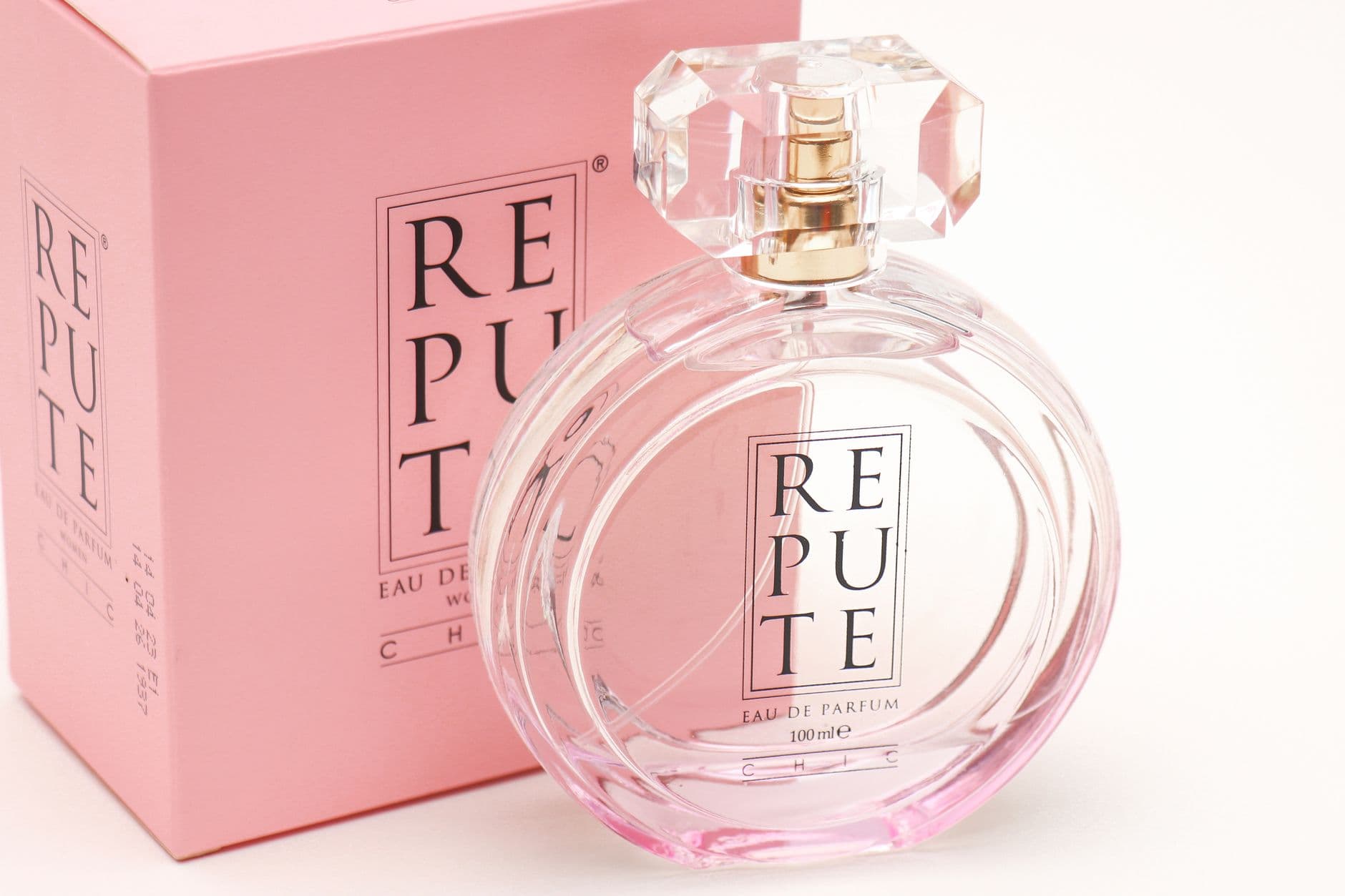
The single most reliable way to avoid a fake is not to inspect the bottle — it is to buy from somewhere accountable in the first place. But if a bottle is already in your hands, or you are staring at a listing that looks too cheap, there is a sequence of checks that catches most counterfeits. They are listed below roughly in order of how much they tell you.
Start with the price and the seller
Counterfeiting follows profit, so fakes cluster around the most desirable and most tightly distributed names — Creed Aventus and Chanel above all. Chanel in particular restricts where its fragrances may be sold, which means a "full size" Bleu de Chanel listed well below counter price from an unfamiliar marketplace seller is a genuine red flag rather than a bargain. That is exactly why our Bleu de Chanel page points at a sample vial or a clone rather than a discounted full bottle.
A discount of ten to thirty percent from a gray-market discounter is normal and usually legitimate. A discount of seventy percent on a current, in-demand designer is not a deal — it is the product being something other than what the listing says.
Check the cellophane and the box
Genuine factory cellophane is tight, evenly folded, and sealed with neat machine seams. Counterfeit wrapping is frequently loose, baggy, crooked at the corners, or has visible glue. Inside, the carton should be firm card with crisp, properly registered printing — blurred text, slightly wrong colors, thin flimsy card and spelling or accent errors are all common giveaways.
Look specifically for the regulatory small print. Real designer packaging carries manufacturer and distributor details, a batch code, and standard symbols. Missing or garbled small print is a much stronger signal than anything about the artwork, because counterfeiters copy the visible design far more carefully than the legal text.
Match the batch code
This is the most useful single check. A genuine bottle carries a batch code printed or stamped on the base of the bottle and on the carton, and the two must match. Fakes frequently have a code on one and not the other, codes that do not match, obviously printed-on-a-sticker codes, or no code at all. On real bottles the code is usually laser-etched or ink-stamped directly, not on an adhesive label.
Examine the bottle and the atomizer
Genuine glass is heavy and free of bubbles or seams; the base is thick and the finish even. Counterfeits often use lighter glass with visible mold lines. The cap should have a solid, weighted feel and — on most designers — a decisive magnetic or firm click rather than a loose plastic push. The spray mechanism should produce a fine, even mist; fakes commonly spit, dribble, or spray unevenly.
Check the liquid too. Most genuine fragrances are clear and free of sediment. Cloudiness, floating particles, or a color noticeably different from official product photography all point the wrong way — though be aware that natural batch-to-batch color variation is real in fragrances with high natural content, so slight differences alone are not proof.
The scent test — and what it can and cannot tell you
A fake usually announces itself in one of two ways: an overwhelming alcohol blast that does not settle, or an opening that smells roughly right and then collapses within thirty to sixty minutes into almost nothing. Counterfeiters can approximate a top note cheaply; they cannot afford the base. If the fragrance has essentially disappeared inside an hour and the genuine article is known to last six or more, that is strong evidence.
The honest caveat: scent alone is not conclusive. Genuine fragrances are reformulated, genuine batches vary, and your skin chemistry is a real variable. A bottle that smells slightly different from the one you owned three years ago is far more likely to be a reformulation than a fake — which is a theme in our all-time classics ranking.
What to do if you think you have a fake
Stop wearing it. Counterfeit fragrance is made outside any safety regime and there is no way to know what is in it; skin reactions are the most commonly reported problem. Then open a dispute with the platform rather than the seller — major marketplaces have counterfeit policies with meaningful protection, and paying by a method with buyer protection is exactly why this matters. Photograph the packaging, the batch codes and the bottle before you return anything.
The simplest protection
Buy from the brand, an authorized retailer, a department store, or a well-known discounter with a real returns policy. Buy samples rather than discounted full bottles when a house restricts its distribution. And treat any listing that is dramatically cheaper than every other listing as the outlier it is. Our where to buy guide goes through the legitimate sources in detail, and the value houses in our dupes ranking sidestep the problem entirely — nobody bothers counterfeiting a twenty-five dollar bottle.
Questions
Frequently asked
How can I tell if my cologne is real or fake?
Check the batch code first: a genuine bottle has one on both the base of the bottle and the carton, and they must match. Then check the cellophane (tight and neatly sealed, not baggy), the print quality on the box, the weight of the glass, and whether the atomizer produces a fine even mist. A fake that survives all of those usually fails the wear test by collapsing within an hour.
Which colognes are faked the most?
The most desirable and most tightly distributed ones — Creed Aventus and Chanel fragrances above all, followed by the biggest designer sellers. Counterfeiting follows margin, which is why cheap Arabian-house bottles are barely faked at all: there is no money in copying a twenty-five dollar fragrance.
Is a cheap cologne on a marketplace always fake?
No. A ten to thirty percent discount from a gray-market discounter is normal and usually legitimate — that market exists for real reasons. The warning sign is a dramatic discount on a current, in-demand designer from an unfamiliar seller, especially for a brand like Chanel that restricts online distribution.
Is fake cologne dangerous?
It is made outside any safety or ingredient-disclosure regime, so there is genuinely no way to know what is in it. Skin irritation and allergic reactions are the most commonly reported problems. If you suspect a bottle is counterfeit, stop wearing it and raise a dispute with the platform.
More in Fragrance Guides
Keep exploring fragrance guides

Guide
How to Pick Your First Cologne
A practical method for a first bottle: what to spend, what to ignore, what to avoid.
Read the guide →
Guide
How Many Colognes Do You Actually Need?
Why three bottles covers almost everyone, and why bigger collections go unworn.
Read the guide →
Guide
How to Find Your Signature Scent
What makes a fragrance work as a signature, and a real method for finding yours.
Read the guide →
Keep reading
Related on Top Note Co
- Where to Buy Fragrance SafelyThe legitimate sources, and how to read a listing.
- Are Cologne Dupes Worth It?The legal alternative to chasing a suspiciously cheap designer.
- Creed Aventus ReviewThe most counterfeited fragrance online, and how to buy it safely.
- Bleu de Chanel DupesWhy we point at a sample rather than a discounted full bottle.
How we sourced this
Sources
Longevity, sillage and note data are compiled from published manufacturer information and aggregated public reviews, labeled as such — not our own lab measurements. Prices render live from Amazon.