Fragrance Guides · Fragrance Guides
How Many Colognes Do You Actually Need?
Three. Possibly one. Almost certainly not the nine sitting on most enthusiasts' shelves.
#ad— We're reader-supported. When you buy through links on this page we may earn an Amazon Associates commission, at no extra cost to you. It never changes a verdict — we routinely point you at the cheaper bottle. Full disclosure.
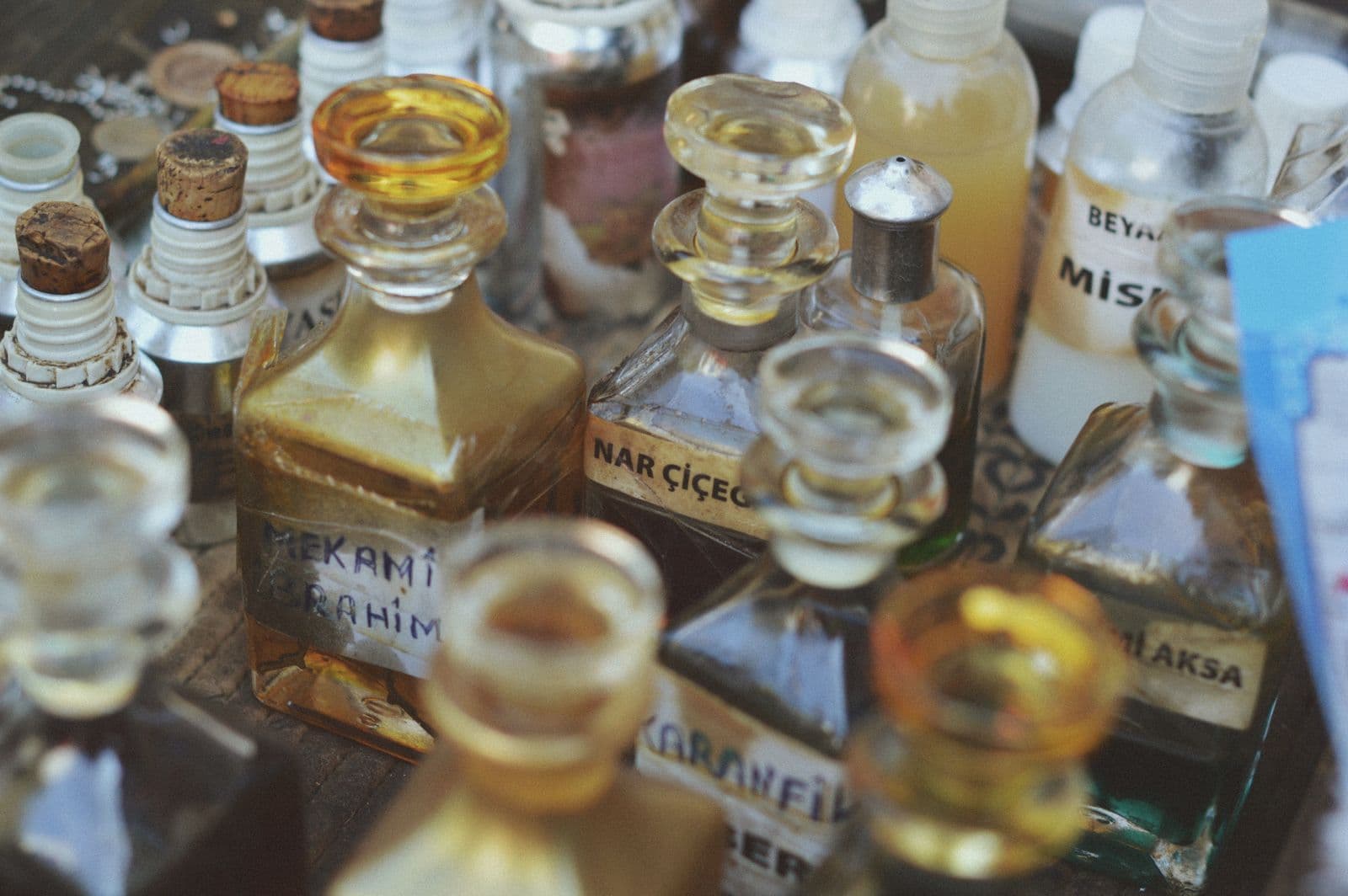
Three bottles covers virtually every situation an ordinary life produces: a fresh one for warm weather, a warm one for cold weather, and something with more presence for evenings. One is genuinely enough if you want it to be. Beyond about five, you are collecting rather than wearing — which is a fine hobby, but it is worth being honest about which one you are doing.
The case for one
A signature scent — one fragrance, worn consistently for years — has real advantages. It becomes associated with you in a way a rotation never does, it removes a daily decision, and you learn exactly how it behaves in every season and setting. Plenty of people who care a great deal about fragrance wear one bottle.
The limitation is seasonal. A single fragrance that genuinely works in August and January is rare, and the ones that manage it are usually clean woody-aromatics that trade distinctiveness for versatility. If you go the one-bottle route, buy for versatility deliberately.
The case for three
This is the answer for most people and it maps onto how the year actually works. A fresh bottle for heat, when heavy materials become oppressive. A warm one for cold, when light ones stop registering. And an evening bottle with more density or character for occasions where you want to be noticed. Each fills a genuine gap the others cannot.
At current prices this is cheap. All three can come from our under-$50 ranking and still be genuinely good, because the budget houses are strongest in exactly the warm and dark directions two of those slots need. The full ordering logic is in our collection guide.
When more than three makes sense
Two legitimate reasons to go further. If you work somewhere that needs a genuinely quiet fragrance, an office-specific bottle is a real fourth slot. And if formal events are a regular part of your life, something refined for weddings and black tie is a real fifth.
Everything past that is enthusiasm rather than need — which is allowed, but should be recognized as such rather than justified as coverage.
The one-in-one-out rule
If you find the number creeping up, the simplest correction is a rule borrowed from wardrobes generally: buy a new bottle only when an existing one is finished or has been abandoned. It sounds restrictive and in practice it mostly just forces the question of whether you actually want the new thing or are enjoying the act of buying — which is a useful question to be asked occasionally.
It also has a practical benefit. Bottles get finished rather than half-used, which means you are wearing fragrance at its best rather than working through a shelf of partially oxidized openings. How quickly that degradation happens is covered in does cologne expire.
Why large collections go unworn
The maths. A 100 ml bottle at two sprays a day lasts roughly two years of daily wear. Own nine bottles and each gets worn every ninth day, so a single bottle would take almost two decades to finish — long after it has degraded. Opened fragrance is generally good for three to five years depending on storage.
The duplication. Large collections almost always contain several bottles doing the same job. Two fresh aquatics is not variety; it is a spare. Checking a candidate against the families you already own is the fastest way to avoid this.
The habit. People reach for the same two or three bottles regardless of how many they own. The rest become objects rather than fragrances.
What a well-chosen three actually looks like
To make it concrete rather than theoretical: a clean fresh scent you can wear to work and in heat, a warm spiced or amber bottle for cold weather, and something darker or more distinctive for evenings. Those three do not overlap, they cover the calendar, and none of them is doing a job another one already does.
The cost is lower than most people expect. All three can come from the under-$50 tier and still be genuinely good, because the budget houses are strongest in exactly the warm and dark directions that two of those slots need. Alternatively, spend the money on one very good versatile bottle and treat it as a signature. Both are coherent strategies. What is not coherent is nine bottles bought one impulse at a time.
A practical test before buying another
Ask what occasion the new bottle covers that nothing you own covers. If the honest answer is "none, I just like it", that is a perfectly good reason to buy a fragrance — but it means the purchase is recreational, and it should compete for money against other recreational spending rather than being filed under wardrobe-building.
Questions
Frequently asked
How many colognes should a man own?
Three covers most people properly: a fresh one for warm weather, a warm one for cold, and something with more presence for evenings. Five is a comfortable maximum if you also need an office-specific and a formal bottle. Past that you will not get through them before they degrade.
Is it better to have one signature scent or several?
Both work. A signature becomes associated with you and removes a daily decision; a small rotation matched to season and occasion gets more out of each bottle and reduces the olfactory fatigue that causes over-application. What does not work is a large collection rotated at random.
How long does a bottle of cologne last?
A 100 ml bottle at two sprays a day gives roughly two years of daily wear. Opened fragrance generally stays good for three to five years depending on storage — so if you own many bottles, several will degrade before you finish them.
Do I need a different cologne for every season?
No — two covers the year comfortably. Spring and autumn are transitional and are handled by adjusting the dose of your summer and winter bottles rather than buying separately for them. Our fall ranking makes that case explicitly.
More in Fragrance Guides
Keep exploring fragrance guides
Guide
How to Find Your Signature Scent
What makes a fragrance work as a signature, and a real method for finding yours.
Read the guide →
Guide
Does Cologne Expire?
How long cologne really lasts, how to tell when it has turned, and how to store it properly.
Read the guide →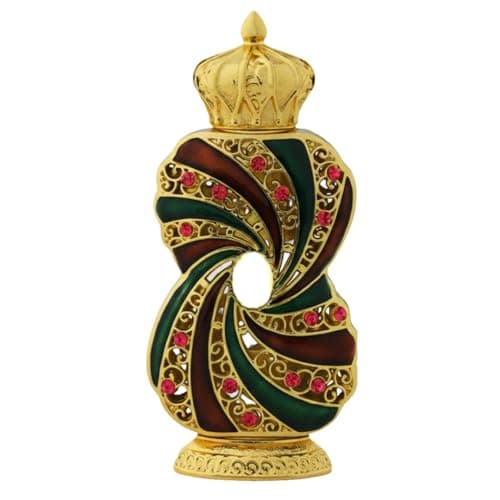
Guide
Perfume Oils vs Sprays
What attars and concentrated perfume oils are, whether they last longer, and when to buy one.
Top pick: Al Haramain Tanasuk Concentrated Perfume Oil (12 ml)
Keep reading
Related on Top Note Co
How we sourced this
Sources
Longevity, sillage and note data are compiled from published manufacturer information and aggregated public reviews, labeled as such — not our own lab measurements. Prices render live from Amazon.