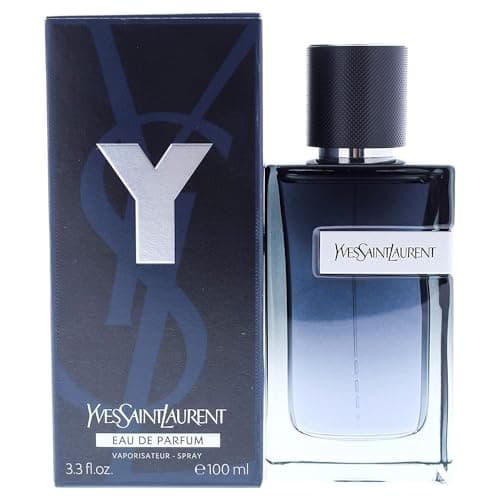
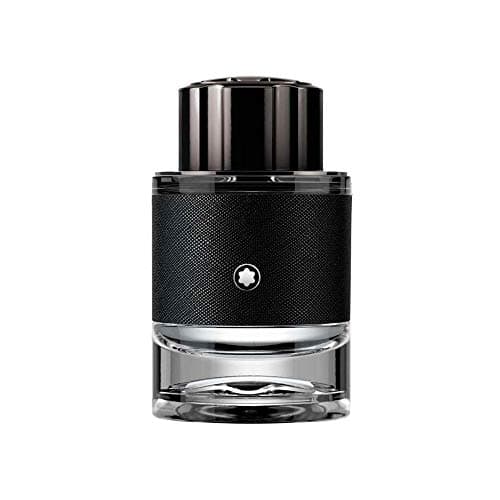
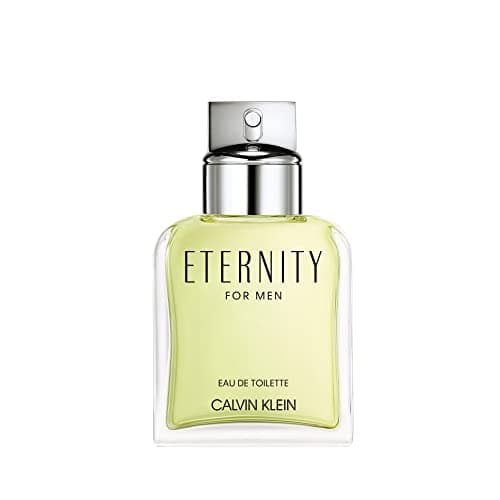
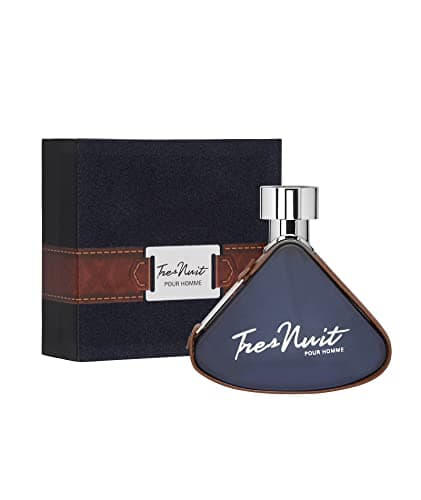
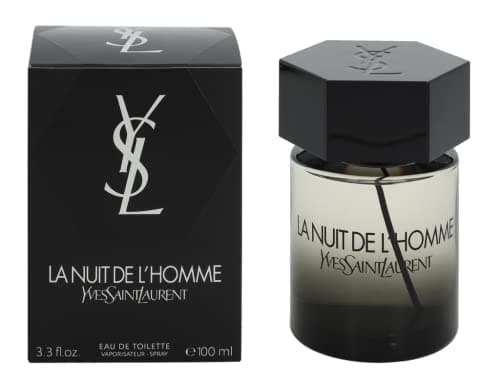
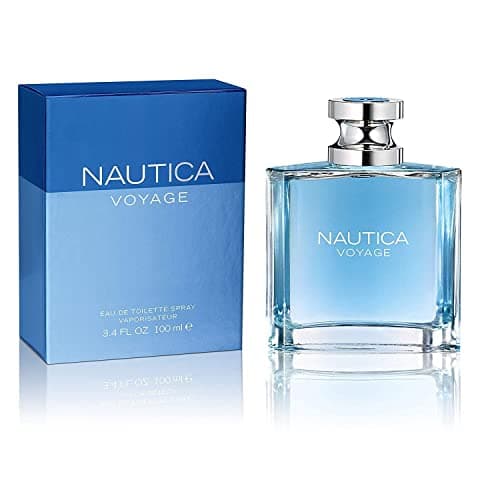
An office fragrance has a different job from every other fragrance you own. It is not there to be noticed, complimented or remembered. It is there to make you smell deliberate at conversational distance and to be completely undetectable to the person two desks over who did not consent to your fragrance hobby. That constraint rules out most of what the internet recommends, and it is why this list looks nothing like our flagship ranking.
The one rule that matters: projection, not longevity
Almost every "best cologne" list optimizes for projection and sillage — how far the scent travels and how big a trail it leaves. In an office those are the two qualities you actively do not want. What you want is a scent with a small radius and a long life: something that sits within about an arm's length of you and stays there all day. That is a real, measurable difference, and it is the reason a fragrance can be excellent and still be a terrible office choice.
Versace Eros is the clearest example. It is a genuinely good fragrance and it appears on several of our other lists — but it fills a room, and a room is exactly what an open-plan floor is. The same logic disqualifies most of the sweet gourmands in our winter ranking. Save those for evenings and weekends.
What actually reads as "professional"
Three families do the work here. Clean citrus-woody scents — bergamot or grapefruit over cedar and ambroxan — are the safest bet in any workplace on earth, which is precisely why so many of them smell similar. Green and aromatic scents built on sage, lavender or violet leaf read slightly more grown-up and are the better pick if you are the youngest person in the room. And powdery woody-iris scents are the formal end: quieter, more elegant, and the right answer in a conservative industry or a client-facing role.
What does not work: anything sweet, anything foody, anything with a heavy animalic base, and anything marketed on how many compliments it gets. "Compliment magnet" is a euphemism for "everyone can smell you", which is a virtue on a Friday night and a liability on a Tuesday morning. If you want to understand why some scents sit close and others announce themselves, the concentrations guide explains the mechanism.
How this list is ordered
Rank is an editorial judgment about which bottle best does the job an office actually needs done — quiet, clean, sustained, unmemorable in the best sense. It is not a sort of the scores. Our published rubric weights value equally with longevity, sillage, projection and versatility, so a cheap bottle can out-score an expensive one it sits below here. In this category especially, a high sillage score is not a recommendation — read the scores as performance data and the rank as workplace suitability.
How to wear fragrance at work without becoming a problem
Two sprays, and not on your neck
The single biggest office fragrance mistake is applying the way you would for a night out. Two sprays is the ceiling, and both should go somewhere your colleagues are not going to be near — chest under a shirt, or the inside of your forearms. Skip the neck entirely: it is warm, it is at nose height for anyone leaning over your desk, and it is the reason people describe a co-worker as "overpowering". There is more on placement in the application guide, and a full breakdown of spray counts in how many sprays you actually need.
Your nose lies to you by 10am
Olfactory fatigue means you stop smelling your own fragrance within about twenty minutes while everyone else still can. This is the mechanism behind almost every over-application horror story: you cannot smell it, so you add more, and by the afternoon you are the story. Never re-apply at work based on your own perception. If you genuinely need a top-up for an evening event, do it on the way out of the building, not at your desk.
Check the policy before you buy
A growing number of workplaces — hospitals, labs, some schools, and increasingly ordinary corporate offices — run fragrance-free policies, usually because a colleague has a genuine sensitivity or a migraine trigger. That is not a policy to negotiate with. If you work somewhere with one, the honest answer is that no fragrance on this page is appropriate, and a scented body wash the night before is as far as you should take it.
Buy an EDT here, not an EDP
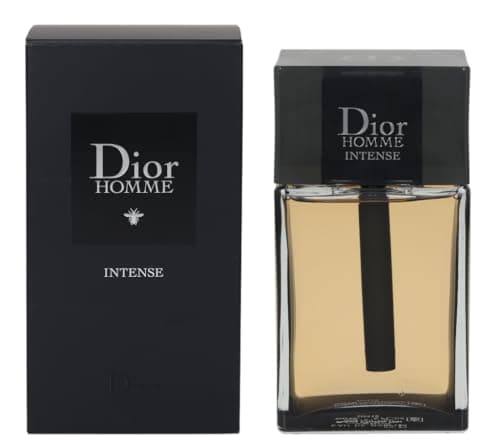
This is the one category where the lower concentration is often the better buy. An eau de toilette gives you a smaller radius and a gentler dry-down, which is exactly the brief, and it costs less. The exception is when the EDP is genuinely quieter than its EDT sibling — Dior Homme Intense is on this list precisely because its powdery iris is more restrained than its concentration suggests. If you want to try a few of these before committing to a bottle you will wear five days a week, a sampler set is the cheaper route in.
An interview is a different brief
Everything above assumes the same people will smell you every day for eight hours. A single high-stakes hour in a small room with a stranger wants far less than that — one spray, or none — and we rank it separately in best cologne for a job interview. If you are choosing between the two most-recommended professional bottles, our YSL Y vs Bleu de Chanel comparison settles it.