Most people meet Rasasi exactly once, through Hawas, and never look at the rest of the range. That is understandable — Hawas is the bottle that made the house famous outside the Gulf — but it also means the six other fragrances on this page get ignored, and two of them are better buys than the flanker Rasasi keeps selling you instead. This ranking is about the whole catalog, not the one bottle everybody already knows.
Who Rasasi actually is
Rasasi is a family-owned Dubai perfumer founded in 1979 by Abdul Razzak Kalsekar, starting from a single shop in the Murshid Bazar market in Deira. It built its own manufacturing in the Jebel Ali free zone from 1986 onward, and today it says it sells in 60 countries through more than 165 stores. That matters here for one reason: this is not a house that appeared three years ago to chase the clone boom on Amazon. It is roughly two decades older than Lattafa and it has a back catalog to prove it. All five of the houses worth knowing are shortlisted in best Arabic colognes for men.
The practical consequence is a range that is much less uniform than its newer rivals. Lattafa is easy to buy blind because most of what it sells is aimed at the same sweet, loud, cold-weather target. Rasasi is not. Across the seven bottles below you get a fresh aquatic, a fruity leather, a rose-oud, an office-safe aromatic and a cumin-and-vanilla amber, and they have almost nothing in common except the logo.
What the house is genuinely good at
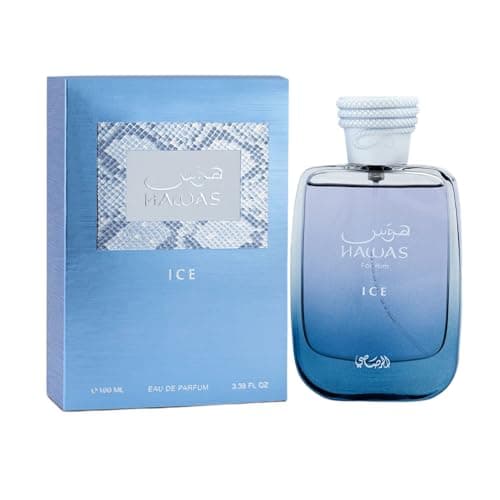
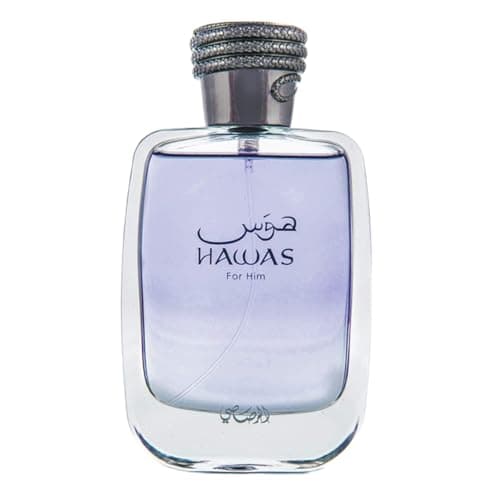
Fresh fragrances that last. This is the rarest combination in cheap fragrance and it is why Hawas earned its reputation. Fresh, citrus-driven scents are usually built on volatile top notes that evaporate quickly, which is why so many affordable aquatics vanish by lunch. Hawas is an EDP with a warmer resinous base underneath the fruit, and owner reports of all-day wear are consistent enough that we gave it its own full review and put it near the top of our longest-lasting clones ranking. Hawas Ice is the same trick tuned for real heat.
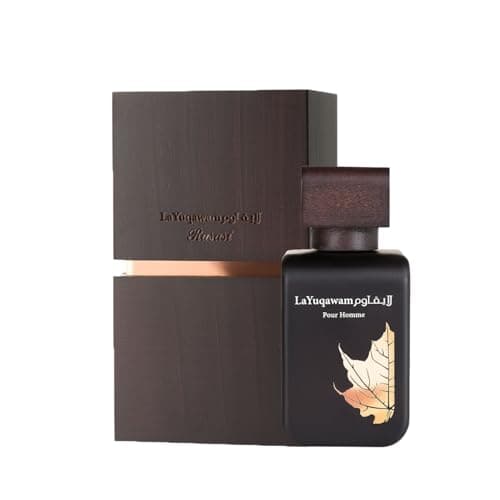
The second thing the house does well is the expensive-smelling niche shape. La Yuqawam Pour Homme, launched in 2012, is the clearest example — raspberry and saffron over smoked suede and leather, which is the same territory Tom Ford's Tuscan Leather occupies at many times the price. It is the most distinctive thing Rasasi makes, and it comes with the biggest caveat on this page.
The flanker problem, and the spelling problem
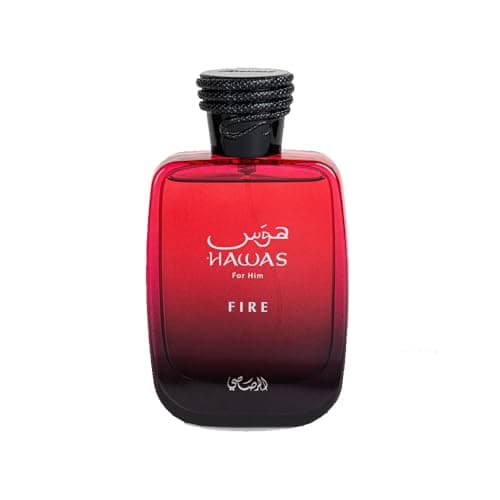
Rasasi has done to Hawas what every successful house eventually does to its hit: flanked it. There is Hawas, Hawas Ice, Hawas Fire, Hawas Elixir and more, and the names tell you almost nothing about how different they actually smell. If the bottle you are weighing the original against is from a different house instead, that is Club de Nuit vs Hawas. Ice is a genuine hot-weather reformulation of the original idea and worth owning if you live somewhere humid. Fire is a different fragrance wearing the family name, built on clary sage, marine notes and ambergris, and it is the most divisive bottle Rasasi currently sells.
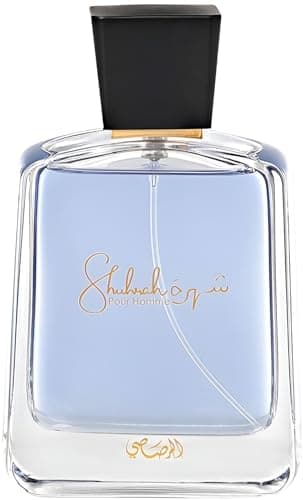
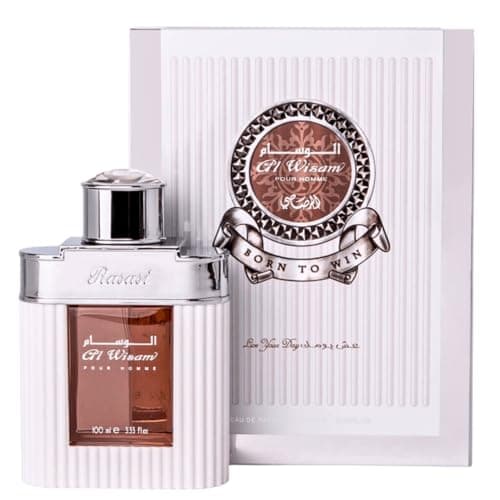
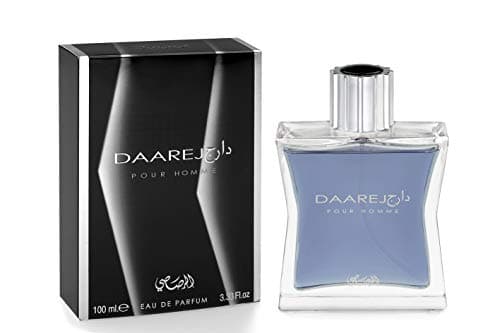
Then there is the spelling. The bottle fragrance databases list as "Daarej pour Homme" is sold on Amazon as "Dareej For Men." Same fragrance, two transliterations of the same Arabic name, and searching for one will hide half the listings for the other. Al Wisam has the same issue with a "Born to Win" subtitle that appears on some listings and not others. Read the full name on the listing against the fragrance you actually researched, and treat the counterfeit risk that follows any popular cheap fragrance seriously — the red flags are in our spotting a fake guide.
Where the house is weaker
Batch consistency, and it is not a small footnote. La Yuqawam has an unusually visible owner argument attached to it: there is a long-running Fragrantica thread titled, in as many words, "what's the last good batch?", and buyers of recent bottles regularly report a skin-close scent within an hour where older reviews describe hours of projection. Some owners have gone further and questioned whether the current juice is really EDP strength at all, pointing at alcohol content printed on boxes from the early 2020s.
We are not going to adjudicate that. We do not run a lab, we have not tested bottles from different production runs, and inventing an explanation would be worse than saying plainly what the situation is: the fragrance is excellent when it is right, the reports are inconsistent enough to be a real purchasing risk, and that is exactly the case for buying a sample or a small format before a full bottle.
The second weakness is versatility. Only one bottle here — Al Wisam Day — is something we would call genuinely office-safe, and it is the quietest performer of the seven. If you want fresh and versatile above everything, our fresh cologne ranking has better answers than most of this range.
How we picked, and how this list is ordered
Every bottle here had to clear three bars. It had to be currently purchasable — we verified live availability before featuring anything, and nothing is here because it used to be sold. It had to have a real consensus behind it in published note data and aggregated owner reports rather than a single viral clip. And it had to be distinct from the bottle above it, which is why three Hawas flankers are on this page and the rest are not: Ice and Fire do something the original does not, and the others mostly do not.
Rank is an editorial judgment about which bottle best does the job a given buyer needs done. It is not a sort of the scores. Our published rubric weights value equally with longevity, sillage, projection and versatility, so the cheapest bottle on the page can out-score one it sits below. Read the scores as "what you get per dollar" and the rank as "what we would tell a friend to buy first." We have not smelled every batch, and where a claim came from somebody else we name them in Sources.
Buying Rasasi without regretting it
Start with Hawas, and only then decide if you need a flanker
The original is the house at its most useful: fresh enough for daily wear, strong enough to still be there at dinner, and cheap enough that a mistake costs less than a takeout order. Buy Ice instead if your summers are humid and you want the sweetness dialed back. Buy Fire only if you already own the original and want something odd. Buying two of the three at once is the single most common way people end up with a shelf of near-duplicates.
Sample the batch-sensitive one
La Yuqawam is the bottle on this page where a sample genuinely changes the odds. Owner reports on recent production diverge sharply from the reviews that built its reputation, and a decant or small format costs a fraction of a blind full bottle. Our samples guide covers how to do that without paying more for the vial than the bottle is worth, and our decants guide explains what you are actually buying when a seller splits a bottle.
Check the concentration claim against the wear, not the label
Almost everything Rasasi sells is labeled EDP, and EDP normally means more perfume oil and longer wear than an EDT. That is the reason these bottles out-last cheap designer fresh scents in the first place. It is also why the La Yuqawam argument matters: when owners say a bottle wears like an EDT, they are describing a real, testable difference in how long it lasts on skin. Our concentrations guide explains what the categories actually mean and why the label is a guideline rather than a guarantee.
Compare against the other Arabian houses before you commit
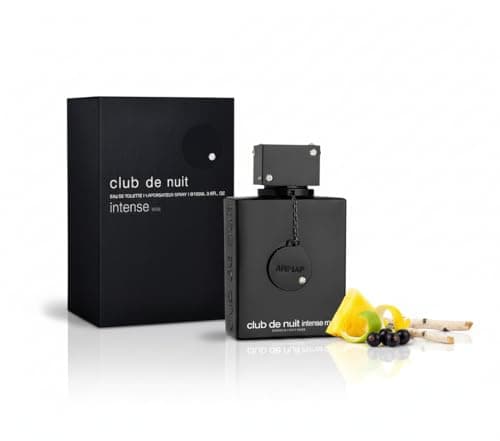
Rasasi is not automatically the best value in this space and we are not going to pretend otherwise. Lattafa is more consistent and easier to buy blind, Armaf performs harder for the money, Maison Alhambra is cheaper, and Al Haramain has a deeper sweet-amber bench. What Rasasi has that none of them match is Hawas — a fresh fragrance with real staying power. If that is the gap in your collection, this is the house. If it is not, our dupes ranking compares the houses directly and our under-$50 ranking is the shortest route to a good first budget bottle.
Which Hawas, though
The question this house gets asked most is which bottle in the Hawas line to buy, and the names are no help at all. We compare the original against both flankers — profile, performance and cost per milliliter — in Hawas vs Hawas Ice vs Hawas Fire.