Fragrance Guides · Fragrance Guides
Does Cologne Expire?
Yes, but slower than most people fear and faster than most people's storage allows.
#ad— We're reader-supported. When you buy through links on this page we may earn an Amazon Associates commission, at no extra cost to you. It never changes a verdict — we routinely point you at the cheaper bottle. Full disclosure.
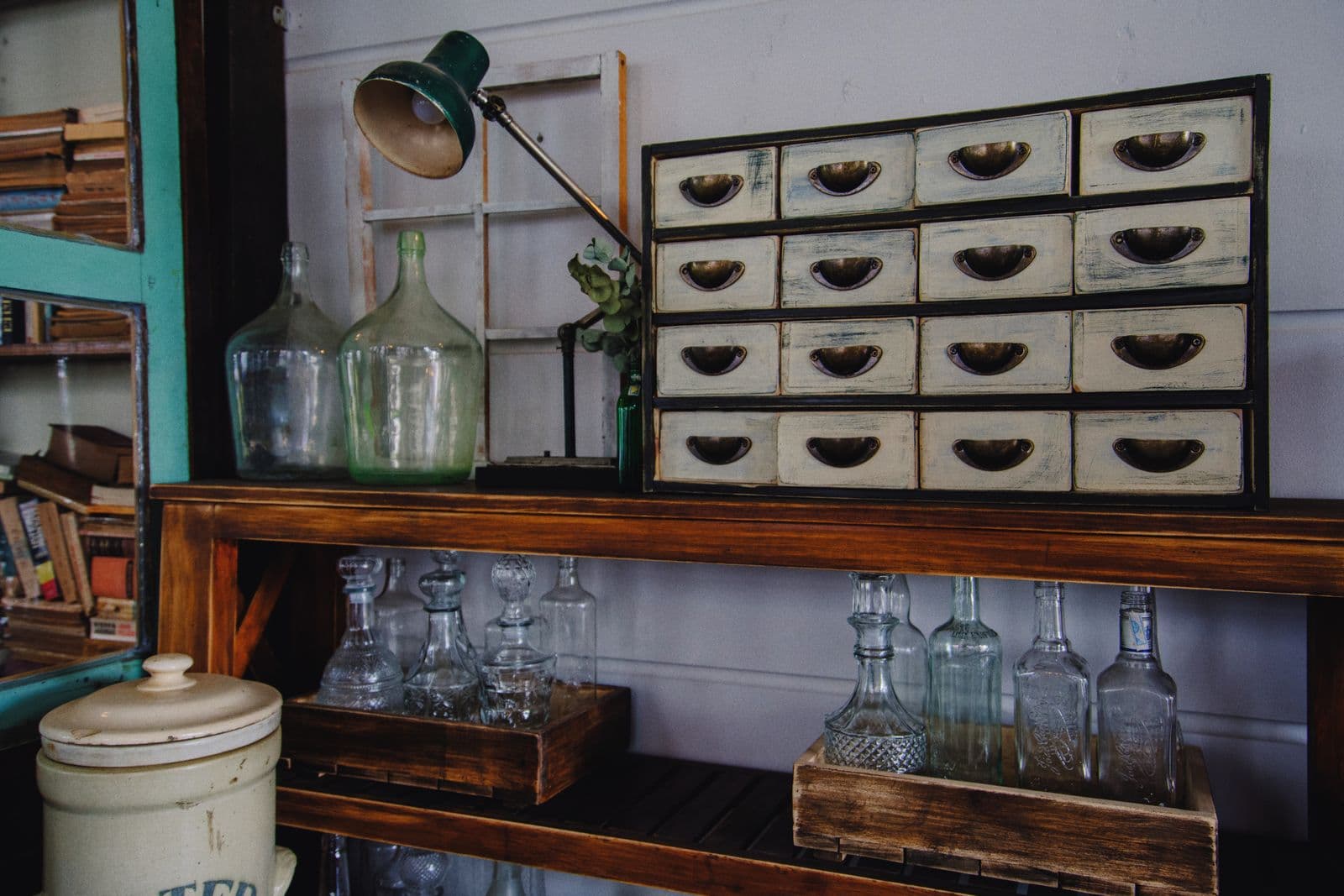
Cologne does expire, but not on a fixed date. An unopened bottle stored sensibly can be good for many years; an opened one typically holds up for three to five. What actually determines the outcome is not age but exposure — to heat, to light and to air, in roughly that order of damage.
How long a bottle actually lasts
Unopened and well stored: often five years or more, and sometimes considerably longer. An intact seal keeps oxygen out, which is the main driver of degradation.
Opened: three to five years is the usual working figure, with heavy use shortening it because every spray draws air into the bottle. Most people finish a bottle well inside that window unless they own a large collection — which is one of the practical arguments in our how many colognes guide.
Badly stored: a bottle on a sunny windowsill or a steamy bathroom shelf can noticeably flatten within a year. Storage matters more than age.
Which fragrances turn fastest
Composition changes the timeline significantly. Citrus-led fresh fragrances are the most fragile — the bright volatile materials that define them are also the first to oxidize, so a fresh scent loses its top notes long before a heavy one does. Ambers, ouds, tobaccos and gourmands are remarkably robust, and some genuinely improve over the first year as the composition settles.
That last effect is what owners of budget Arabian fragrances call maceration, and it is why a bottle that underwhelms in week one often reads rounder a month later — discussed in our under-$50 guide.
How to tell a bottle has turned
The smell. The clearest sign is a sharp, sour or metallic note in the opening that was not there before — oxidized citrus and alcohol both read that way. If the top notes have gone but the base still smells right, the fragrance is degraded rather than dead and is still wearable.
The color. Noticeable darkening is a reasonable indicator, though not conclusive on its own — some fragrances darken naturally with age and high-natural-content compositions vary batch to batch anyway.
Cloudiness or sediment. Usually means the composition has broken down. Time to stop wearing it.
Storing it properly
The rule is simple: cool, dark, dry, sealed, still.
Keep it out of the bathroom. This is the most common mistake by a wide margin. A bathroom cycles through heat and humidity every time anyone showers, which is close to the worst possible environment. A bedroom drawer or a closed cupboard is dramatically better and costs nothing.
Keep it out of direct sunlight. UV breaks down fragrance molecules, and clear bottles offer no protection at all. The box the bottle came in is genuinely useful for this — worth keeping rather than binning.
Do not decant into cheap plastic for storage. Travel atomizers are fine for a few weeks; for long-term storage, glass and the original bottle are better. And leave the cap on — every hour it is off is oxidation.
Is old cologne dangerous?
Not usually. A degraded fragrance mostly just smells worse — the top notes flatten and a sour edge creeps in. The realistic risk is skin irritation from oxidized materials, which is more likely if you have sensitive skin. If a bottle smells wrong or looks cloudy, stop wearing it; there is no reason to push through with something that has turned.
Do batch codes tell you the age?
Usually yes, indirectly. Most houses stamp a production code on the bottle and carton, and several free online decoders will convert the common formats into a manufacturing date. That tells you when the juice was made — useful for judging heavily discounted stock, which is often old inventory being cleared rather than a genuine deal.
Two caveats. A manufacturing date is not an expiry date: a well-stored five-year-old bottle can be in better condition than a two-year-old one that sat in a hot warehouse, so storage still matters more. And the same codes are the ones used to check authenticity — a code that appears on the bottle but not the box, or does not decode at all, is a warning sign covered in our spot a fake guide.
What this means for buying
Two practical consequences. Buy the size you will realistically finish — a large bottle of something you wear occasionally is often worse value than a small one, despite the better price per milliliter. And be a little cautious with heavily discounted gray-market stock of older releases, since you have no idea how long it has been sitting somewhere warm. Our where to buy guide covers how to judge a seller.
Questions
Frequently asked
Does cologne expire?
Yes, but slowly and without a fixed date. An unopened, well-stored bottle can last five years or more; an opened one typically holds up for three to five. Heat, light and air do the damage, so storage matters far more than the date on the box.
How can I tell if my cologne has gone bad?
The most reliable sign is a sharp, sour or metallic note in the opening that was not there before. Noticeable darkening and any cloudiness or sediment are supporting evidence. If the top notes have faded but the base still smells correct, it is degraded rather than spoiled and is still wearable.
Where should I store cologne?
Somewhere cool, dark and dry — a bedroom drawer or a closed cupboard. Not the bathroom, which cycles through heat and humidity every time anyone showers and is the single most common storage mistake. Keep bottles sealed, upright and out of direct sunlight.
Is it safe to use expired cologne?
Generally yes — the main consequence is that it smells worse rather than that it is harmful. The realistic risk is skin irritation from oxidized materials, which matters more if your skin is sensitive. If it smells sour or looks cloudy, stop using it.
More in Fragrance Guides
Keep exploring fragrance guides
Guide
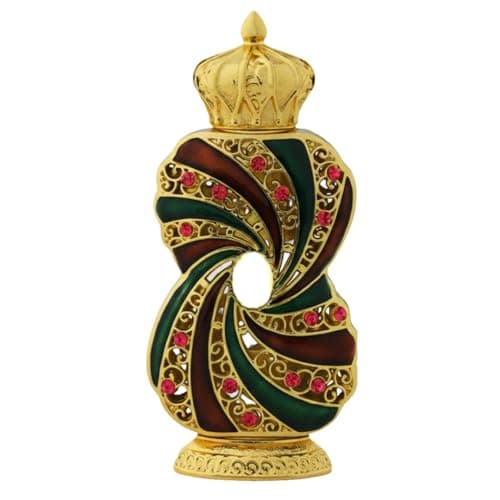
Perfume Oils vs Sprays
What attars and concentrated perfume oils are, whether they last longer, and when to buy one.
Top pick: Al Haramain Tanasuk Concentrated Perfume Oil (12 ml)
Guide
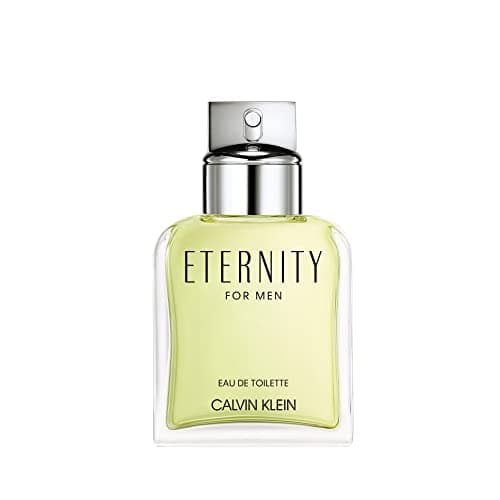
Cologne vs Aftershave: What's the Difference?
Aftershave is skincare that smells nice; cologne is fragrance. What each is actually for.
Top pick: Calvin Klein Eternity For Men
Guide
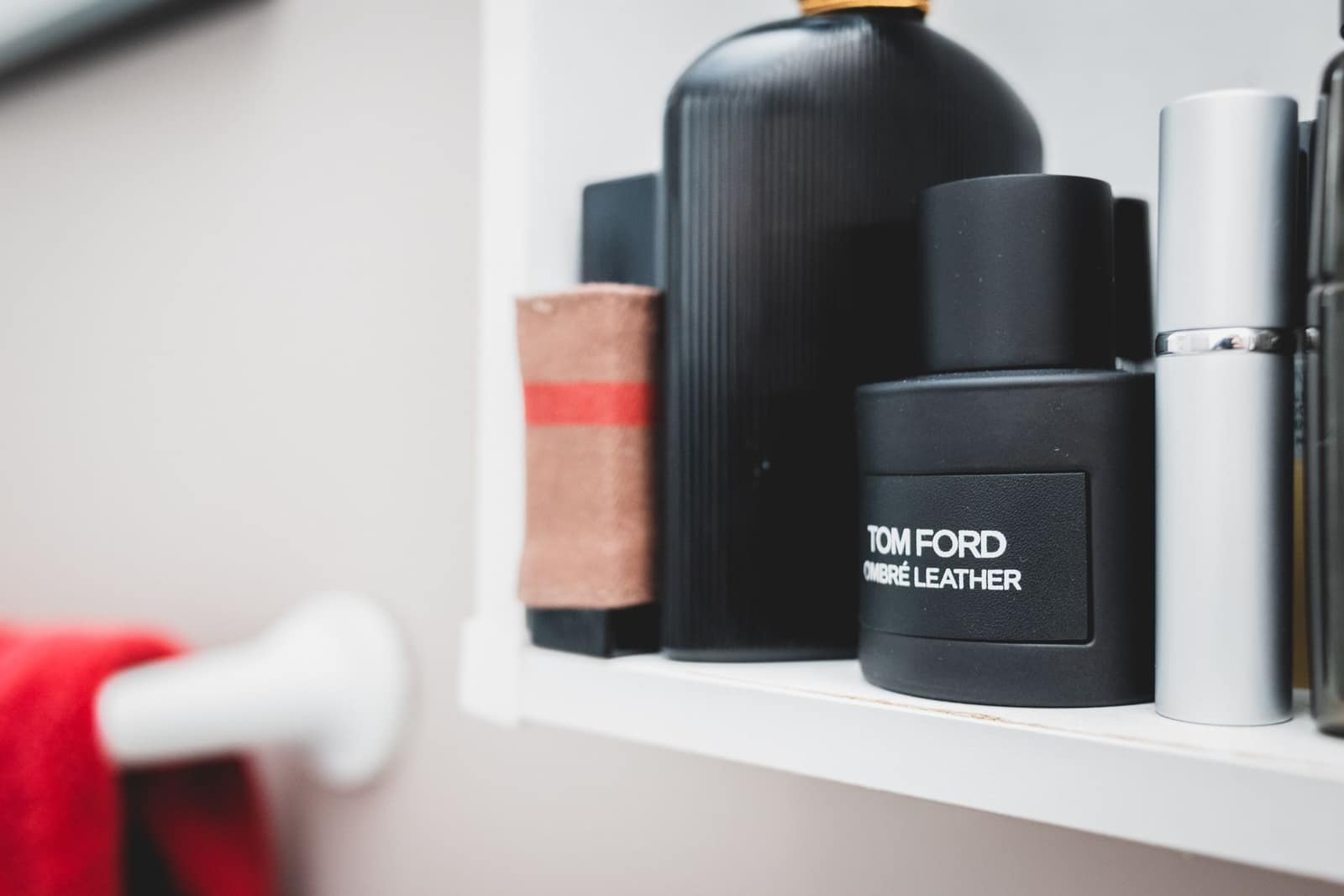
Cologne vs Deodorant: What Each One Does
Why cologne cannot replace deodorant, what antiperspirant does differently, and the right order.
Read the guide →
Keep reading
Related on Top Note Co
- Build a Fragrance CollectionWhy fewer bottles, worn more, is better value.
- How Many Colognes Do You Need?The shelf-life maths applied to collection size.
- Where to Buy Fragrance SafelyJudging gray-market stock and storage history.
- How to Make Cologne Last LongerLongevity on skin, as opposed to in the bottle.
How we sourced this
Sources
Longevity, sillage and note data are compiled from published manufacturer information and aggregated public reviews, labeled as such — not our own lab measurements. Prices render live from Amazon.