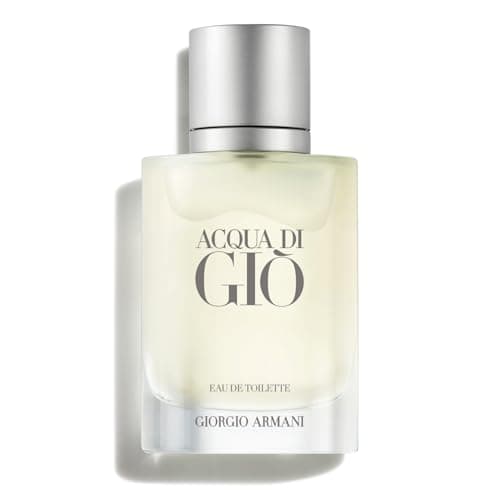
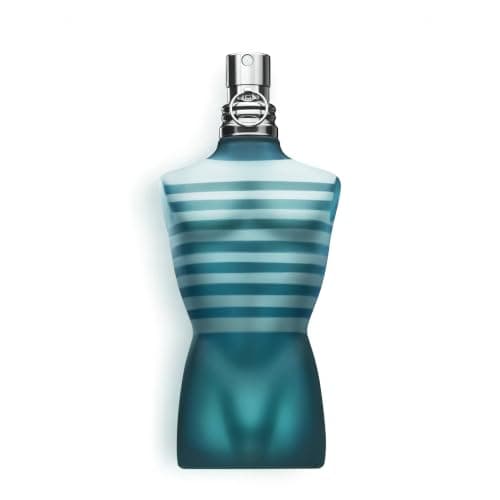
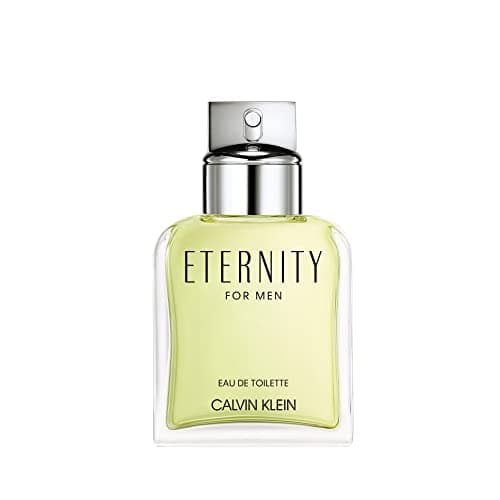
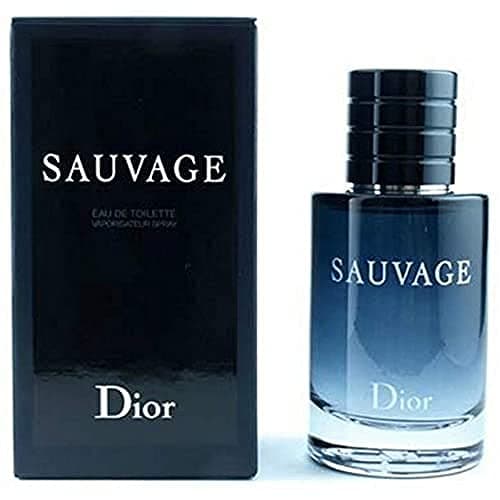
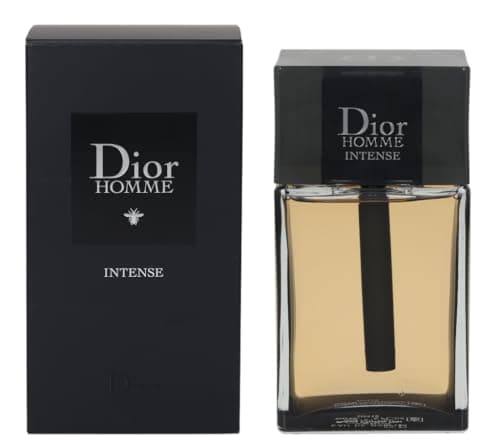
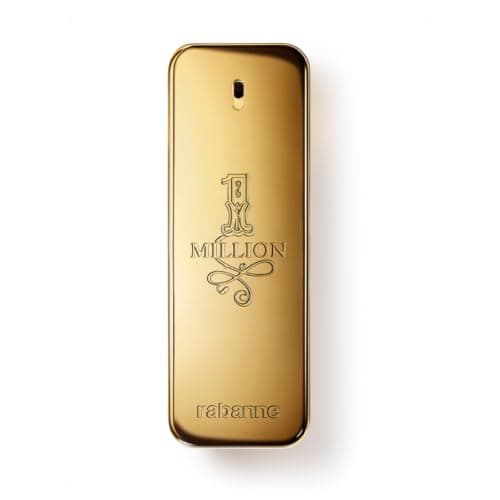
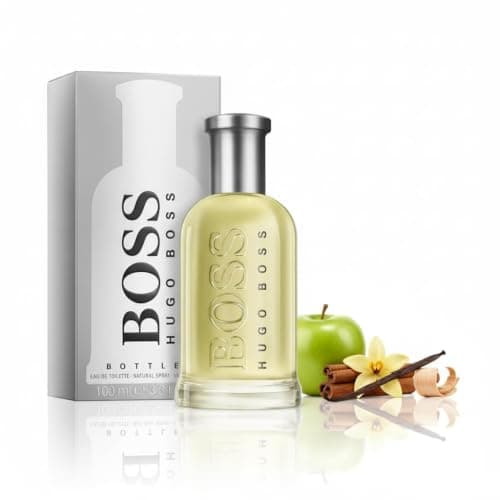
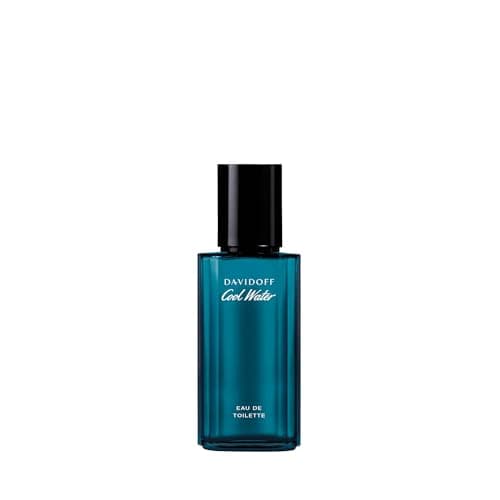
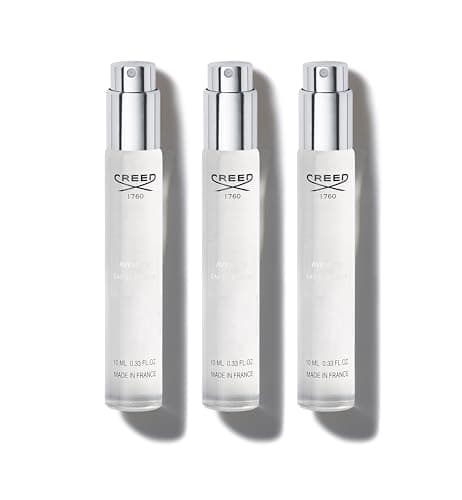
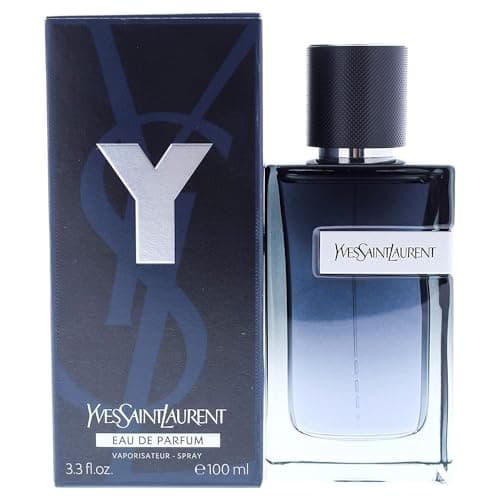
"Best of all time" usually means "the ones I like". We have tried to make it mean something harder: fragrances that changed what the men's market smelled like, that other perfumers had to respond to, and that are still on shelves decades later because people keep buying them. Then we have asked the more uncomfortable question about each one — does it actually still smell good, or is it just important?
What earns a place on this list
Three things, and a bottle needs at least two. It has to have changed the direction of the market — Cool Water created the entire fresh aquatic category that still dominates men's fragrance thirty-plus years later. It has to have survived commercially without being discontinued or quietly replaced. And it has to be still recognizable — a fragrance reformulated beyond recognition is a historical footnote, not a recommendation.
What that rules out is instructive. Plenty of genuinely great fragrances are not here because they were niche curiosities that influenced nothing, and plenty of enormous sellers are not here because they were followers rather than leaders. Being popular is not the same as being important, and our current-year shortlist is where "what should I actually buy right now" gets answered.
The reformulation problem, stated honestly
Every fragrance on this list is older than some of the people reading it, and none of them smells exactly as it did at launch. IFRA restrictions have removed or limited materials — oakmoss is the standard example — and cost pressure has swapped naturals for synthetics across the industry. Acqua di Gio is the most-discussed case: owners who wore it in the nineties consistently report the current version as thinner and shorter-lived, while the overall shape survives.
We flag this on the individual cards rather than pretending it is not real, because it changes the buying advice. A classic you loved twenty years ago is worth re-sampling before you re-buy it, and the honest way to do that is a sampler set rather than a blind full-bottle purchase on nostalgia.
How this list is ordered
Rank here weighs historical importance against whether the bottle still earns a place in a modern wardrobe — which is a genuinely different question from how good it is. It is not a sort of the scores. Our published rubric weights value equally with longevity, sillage, projection and versatility, so some entries score modestly and rank highly anyway. Read the rank as "how much this mattered, and whether it still does".
How to buy a classic in 2026
Sample before you re-buy on memory
Nostalgia is not a reliable guide to what is currently in the bottle. Reformulation is real, your own nose has changed, and the version you remember may have been a different concentration entirely. Every fragrance here is cheap enough to sample properly first, and doing so is the difference between a happy repurchase and a bottle that sits unused.
Ubiquity is a genuine downside
These are, by definition, the most-worn fragrances in the world. That has a cost: you are unlikely to smell distinctive in one, and there is a decent chance someone in the room is wearing the same thing. Whether that matters is personal — a signature scent that thousands of others share is still a signature scent — but it is worth being clear-eyed about, and it is the strongest argument for the value houses or something from our niche comparison.
Check the concentration you are actually buying
Most of these classics now exist in three or four versions — an original EDT, a later EDP, an Intense, a Parfum, sometimes an Elixir. They are genuinely different fragrances, not strengths of the same one, and reviews written about one routinely get applied to another. Read the label carefully, and use the concentrations guide if the naming is confusing.
Buy from somewhere accountable
Long-running designer classics are heavily discounted across the gray market, which is mostly fine and occasionally not. The risks are old stock that has degraded in a hot warehouse and outright counterfeits of the best-known names. Our where to buy guide covers how to read a listing and which red flags actually matter.
If these are the bottles you grew up with
Several of these classics are the fragrances men now in their fifties and sixties already own, and at that point the useful question is no longer which to buy but whether the one on the shelf is still good and how much of it to wear. Our ranking for men over 50 takes that on directly.