Cold air is a handicap. It slows the evaporation that carries a fragrance off your skin and into the room, so the light citrus that felt perfect in June barely registers in January. Winter rewards the opposite kind of bottle — dense, warm, sweet and spicy — because those materials have the weight to push through cold air and the staying power to survive being buried under a coat.
What actually changes in the cold
Two things, and they pull in the same direction. First, volatility: heat speeds a fragrance up and cold slows it down, which is why a summer aquatic can feel like it disappeared before you got to the car. Second, layering: a scarf and a wool coat absorb most of what you sprayed and release it slowly, so scents with a heavy base — amber, tobacco, vanilla, resins, woods — get quietly amplified all day while light ones get smothered.
The practical upshot is that winter is the one season where you can wear the loud stuff without being the person everyone can smell from the elevator. Fragrances that would be genuinely too much in summer — the boozy ambers, the cinnamon gourmands, the tobacco-and-leather evening scents — land as warm and inviting instead of suffocating. That is the whole reason a separate winter list exists.
The four winter lanes
Nearly every good cold-weather scent falls into one of four groups. Spicy ambers — cinnamon, cardamom, saffron and pepper over a warm base — are the classic winter shape and the one most people mean by "winter cologne." Gourmands lean edible: vanilla, caramel, dates, coffee, booze. Tobacco and leather scents are the darker, more adult evening option. Woody-iris and powdery scents are the formal lane — less fun, far more elegant, and the right answer for a winter wedding or anything black tie.
You do not need one of each. Most people are covered by a warm daily driver and one darker evening bottle. If you are not sure which lane you actually enjoy, that is exactly what a discovery set is for — winter scents are expensive to guess at, and they are the easiest category to buy wrong.
How this list is ordered
Rank here is an editorial judgment about which bottle best does the job a given buyer needs done — it is not a straight sort of the scores. Our published rubric weights value equally with longevity, sillage, projection and versatility, which means a $30 bottle that performs well will out-score a $150 bottle that performs slightly better. That is working as intended, and it is why the value picks below carry higher numbers than some of the designers ranked above them. Read the scores as "what you get per dollar" and the rank as "what we would tell a friend to buy."
How to buy a winter fragrance
Concentration matters more in the cold
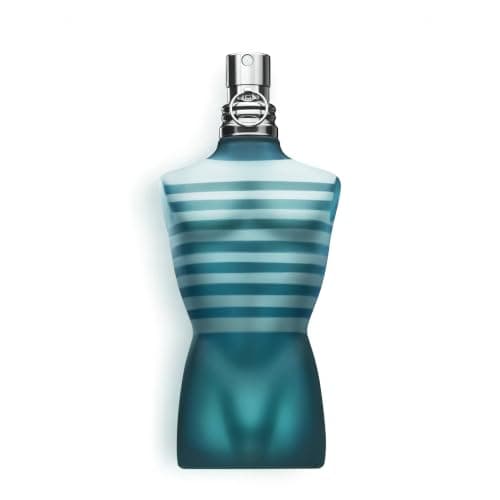
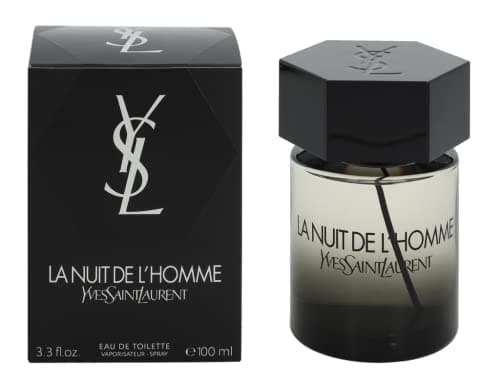
If you are choosing between an EDT and an EDP of the same scent, winter is the season where the EDP earns its premium. Higher oil concentration means more of the heavy base materials that survive cold air and coat fabric, and it means fewer sprays to get the same effect. An EDT winter scent is not a mistake — Le Male and La Nuit de L'Homme are both EDTs and both on this list — but you should expect to reapply. The concentrations guide explains the full ladder and what each label legally means.
Spray fewer times, not more
The most common winter mistake is over-application. Because cold air mutes the opening, people spray four or five times, then walk into a heated office or restaurant where the fragrance suddenly blooms at full strength. Two sprays of a dense amber is plenty for most of the bottles here. Aim for pulse points and the back of a scarf or coat collar rather than soaking a shirt — fabric holds warm base notes for days. There is more on placement and spray count in the application guide.
Beware the batch lottery on older releases
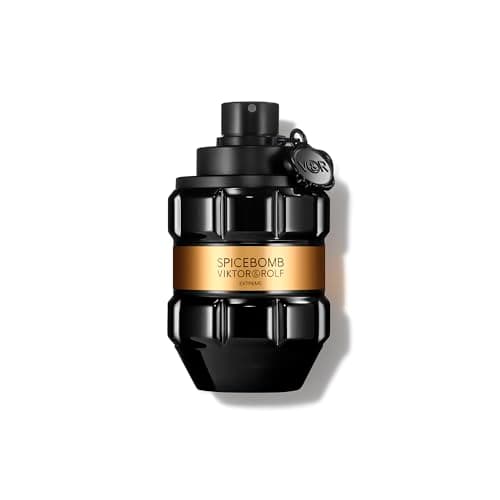
Several long-running winter favorites have been reformulated at some point, and owner reports on recent bottles frequently diverge from the reviews that made the fragrance famous. Spicebomb Extreme is the clearest example on this list: bottles from the last few years are widely reported as weaker performers than the originals, while the brand denies changing anything. We cannot verify batch codes for you, and we will not pretend otherwise — but it is a real reason to sample before committing to a full bottle of anything with a decade of history behind it.
Cheap does not mean worse here
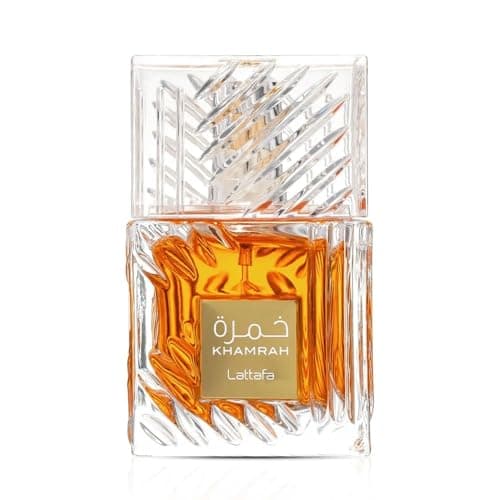
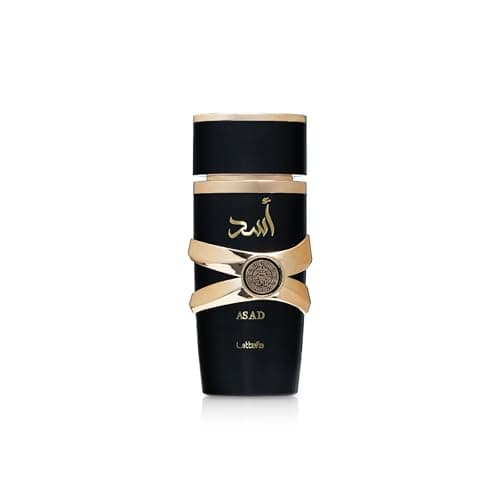
Winter is the single best category for budget fragrance, and it is not close. The Arabian houses build almost exclusively in the warm, sweet, heavy direction that cold weather rewards, so a $30 bottle competes on equal terms with a $150 one in a way it simply cannot in the fresh summer lane. Two of the eight picks above cost less than a cinema ticket and both out-score most of the designers on our rubric. If budget is the whole point, the best cologne dupes list goes much deeper on which cheap bottles genuinely deliver — and since both of those budget picks come from the same house, our Lattafa ranking covers the rest of that line bottle by bottle.
If it is the spice you are after
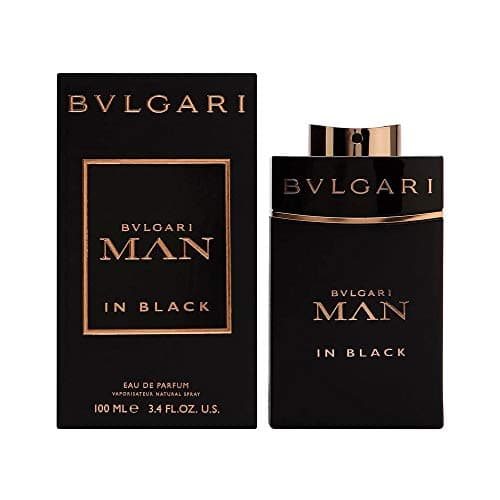
Most of what makes a winter fragrance feel like winter is spice — cinnamon, clove, nutmeg and saffron sitting low in the composition. We rank that family on its own terms, with the hot and cool ends separated, in best spicy colognes. For the rum-and-leather corner of cold weather specifically, our Bvlgari Man in Black review covers the most restrained bottle in that direction.