Longevity is the single most requested quality in fragrance and the one most poorly explained. It is not about price, and it is only partly about the brand. It comes down to two things you can actually check before buying: how much perfume oil is in the bottle, and which materials the perfumer built the base from.
Why some fragrances last and others do not
Concentration is the first factor. An eau de parfum carries roughly fifteen to twenty percent fragrance oil against an eau de toilette's five to fifteen. More oil means more material left on your skin after the alcohol flashes off. This is why sub-thirty-dollar Arabian EDPs routinely out-last designer EDTs costing four times as much — a point the concentrations guide covers in full.
Molecular weight is the second. Citrus and aquatic notes are small, volatile molecules that evaporate quickly by their nature — no formulation trick changes that. Amber, vanilla, tobacco, oud, resins, musks and heavy woods are large and slow, so they sit on skin for hours. That is the real reason our winter picks out-last our summer picks almost without exception.
The honest trade-off nobody mentions
Longevity is not free. The materials that last are, with very few exceptions, the heavy sweet and resinous ones — which means a fragrance engineered to survive sixteen hours is usually also one that is too much for an office, wrong for hot weather, and hard to wear casually.
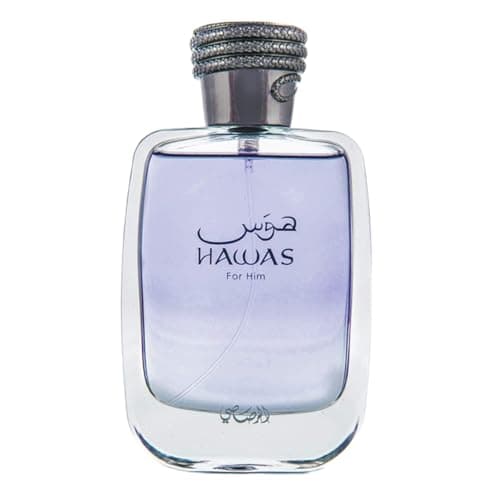
Rasasi Hawas is on this list precisely because it is the rare exception: a genuinely fresh scent with enough musky weight to last. If you want all-day performance from something light and clean, your options are narrow, and that is a fact about chemistry rather than a gap in the market.
Longevity versus projection
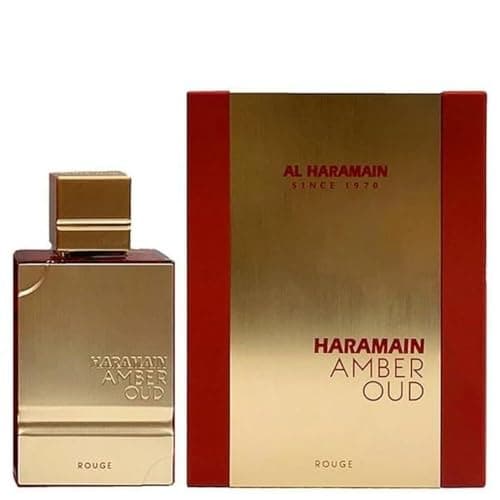
These get conflated constantly and they are different properties. Longevity is how long the fragrance remains detectable on you; projection is how far it travels. A scent can last twelve hours while sitting close to the skin — Al Haramain Amber Oud Rouge is exactly that, with owners reporting twenty-four-hour wear alongside complaints that it feels muted.
Decide which you actually want. If the goal is being noticed, you want projection and the answer is a different list. If the goal is not reapplying, longevity is the metric and quiet performers count.
How this list is ordered
Rank weighs reported longevity against whether the bottle is actually pleasant to wear all day — a fragrance that lasts sixteen hours and annoys everyone is not a recommendation. Our published rubric weights value equally with the performance measures, so the scores and the rank diverge here more than on most pages.
Getting the most out of a long-lasting fragrance
Buy EDP or higher, and check the label
If longevity is the priority, concentration is the single most reliable predictor available before you smell anything. Look for eau de parfum, parfum or extrait rather than eau de toilette, and be aware that many designer men's fragrances default to EDT while nearly the entire Arabian budget tier is EDP.
Application changes the outcome more than people expect
Moisturized skin holds fragrance considerably longer than dry skin, and a spray on a coat collar or scarf can carry base notes for days. Neither technique will rescue a genuinely light fragrance, but both meaningfully extend a heavy one. The full breakdown of what works and what is myth is in how to make cologne last longer.
Do not confuse fading with your own nose
Olfactory fatigue means you stop detecting a constant smell within about twenty minutes while everyone else still can. A large share of "nothing lasts on me" reports are this rather than genuine fading. Ask someone, or smell a sleeve, before concluding a bottle has failed.
All-day performance needs all-day appropriateness
The point worth repeating: a sixteen-hour fragrance is with you in meetings, in lifts and over dinner. Before optimizing purely for longevity, check the bottle is something you would be happy projecting in a small room at hour three — which is the argument our office ranking makes at length.
Longevity is not the same as projection
Worth separating before you buy on this page: how many hours a fragrance lasts, how far it reaches while you stand still, and the trail it leaves behind you are three independent measurements. A bottle can genuinely last twelve hours and be invisible to everyone but you. The vocabulary, and what each one should change about your purchase, is in sillage vs projection vs longevity.