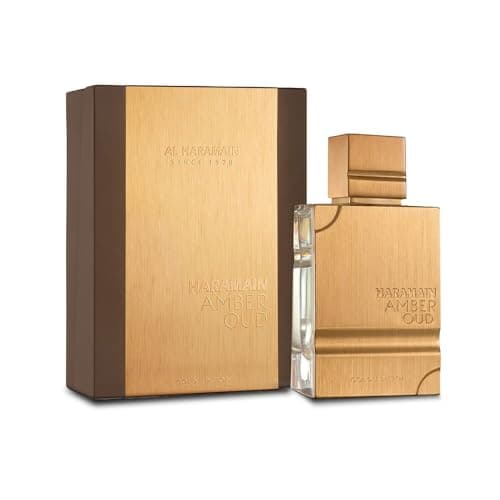
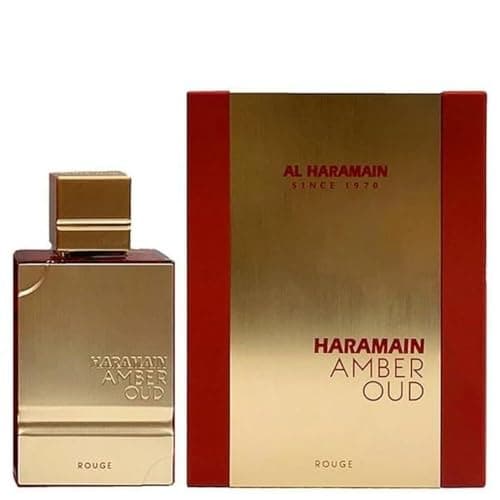
Oud is the most expensive raw material in perfumery and the most misused word on a fragrance label. Almost nothing sold as an oud fragrance in the West contains meaningful quantities of the real thing — and that is not necessarily a problem, provided you know what you are actually buying.
What oud actually is
Oud, also called agarwood, is a dark resin produced by Aquilaria trees in response to a specific mold infection. Only a small fraction of wild trees are infected, which is why genuine oud oil is one of the most expensive substances by weight in the industry and why the trees are now a protected species with plantation cultivation supplying most of the legitimate market.
Real oud does not smell the way most Western oud fragrances do. It is animalic, medicinal, faintly barnyard, sometimes sour — a genuinely challenging smell that takes acclimatizing to. What almost every affordable oud fragrance actually contains is a synthetic reconstruction, usually smoothed heavily with saffron, rose, amber and vanilla to make it approachable.
Why that is fine, honestly
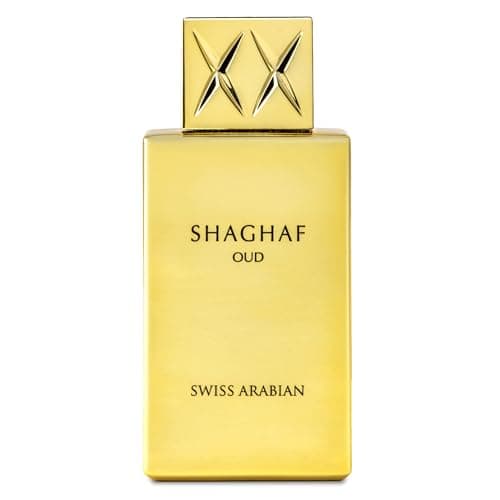
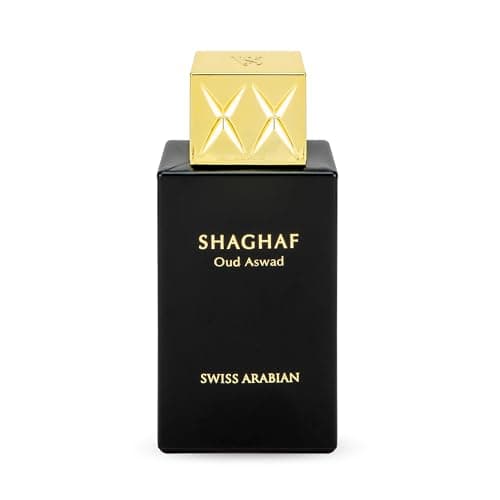
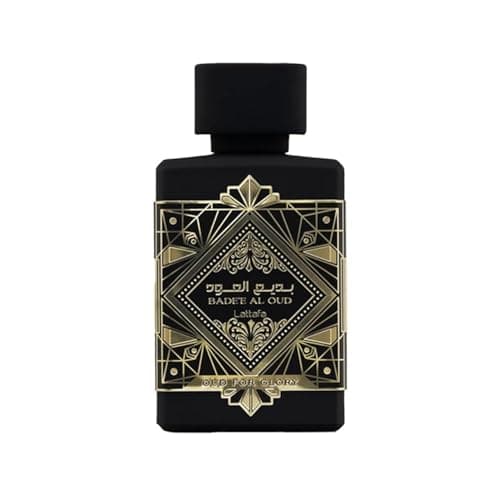
The synthetic-and-sweetened approach is what makes the category wearable and affordable, and it produces genuinely good fragrances. Lattafa Bade'e Al Oud and Swiss Arabian Shaghaf Oud both smell far more expensive than they cost, and both are more pleasant to most Western noses than a traditional oud oil would be.
What we will not do is pretend they contain significant real agarwood, or that they are equivalent to a Middle Eastern attar. They are oud-style fragrances, and calling them that is the honest description. If you fall in love with the style and want the real material, that is a specialist market with specialist prices.
The three oud lanes
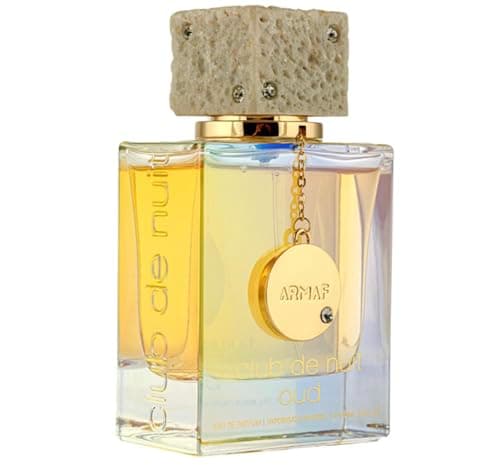
Sweet saffron-oud is the dominant style and what most of this list occupies — saffron, rose and amber over a synthetic oud base, rich and approachable. Dry woody-oud is the more serious register, closer to what the material actually smells like, and the harder sell. Fruity-oud hybrids use the oud label loosely over a sweet fruit accord — Armaf Club de Nuit Oud is the clearest example here, and it is ranked last for exactly that reason.
How this list is ordered
Rank weighs how convincingly each bottle delivers the oud character against how pleasant it is to actually wear. Our published rubric weights value equally with longevity, sillage, projection and versatility — and this whole category scores low on versatility by nature, because oud is a cold-weather, evening proposition almost without exception.
How to buy your first oud
Do not start with a traditional one
Real or realistic oud is a challenging smell — medicinal, animalic and genuinely off-putting to many people on first encounter. Start with a sweetened saffron-oud like Bade'e Al Oud or Shaghaf Oud, and move drier only if you find you enjoy the underlying character. Starting at the traditional end is the fastest way to decide you hate the category.
Spray fewer times than you think
Oud-style fragrances are dense and tenacious, and this category produces more over-application complaints than any other. One or two sprays is genuinely the ceiling for most of these bottles, and Shaghaf Oud in particular is strong enough that owners flag it as a problem indoors. Our spray-count guide covers how to calibrate.
Season and occasion are not optional here
This is a cold-weather, evening category and the constraint is real rather than a preference. Dense resinous materials amplify in heat, and an oud that reads as rich in December is genuinely oppressive in July. None of these belong in a shared office — the alternatives are in our office ranking.
Where the value is
Overwhelmingly at the bottom of this list's price range. The Arabian houses build in this direction natively and do it well, so the gap between a thirty-dollar oud-style fragrance and a designer one is smaller here than in almost any other category. That argument is set out in full in our Lattafa ranking and under-$50 list.
Start with the top pick, not the priciest
The bottle at the top of this list is both the cheapest serious entry point into the family and the one we have written up in full — our Lattafa Oud for Glory review explains why a thirty-dollar bottle out-performs designers at four times the price in this specific lane.