Fragrance Guides · Fragrance Guides
How to Find Your Signature Scent
A signature scent is not the fragrance you like most — it is the one that works in every room you actually walk into.
#ad— We're reader-supported. When you buy through links on this page we may earn an Amazon Associates commission, at no extra cost to you. It never changes a verdict — we routinely point you at the cheaper bottle. Full disclosure.

A signature scent is a fragrance you wear consistently enough that people associate it with you. That sounds like it should be your favorite bottle, and it usually is not — because the qualities that make a fragrance exciting are frequently the ones that make it wrong for most of your week.
What a signature actually requires
Versatility above all. It has to work at work, on a weekend, in July and in January. That immediately rules out the dense winter gourmands and the sharp summer aquatics — anything strongly seasonal cannot be worn consistently enough to become associated with you.
Moderate projection. Something you wear every day needs to be something people can be around every day. A beast-mode fragrance worn constantly is not a signature, it is a reputation.
You have to still like it at month six. This is the one that catches people out. Fragrances that are striking on first wear are often the ones that wear thin fastest, while the slightly boring one you keep reaching for turns out to be the keeper.
The method
1. Find your family first. Work out whether you gravitate towards fresh, woody, amber or something else — via a discovery set if you have no data, or by looking up what you already enjoy. Our families guide is the shortcut. A signature almost always sits in the family you naturally like, not one you talked yourself into.
2. Shortlist for versatility, not excitement. Within that family, pick the two or three most wearable options rather than the most interesting. Clean woody-aromatics dominate this shortlist for most people, which is exactly why so many of them exist.
3. Live with one for a month. Not a week. Wear it to work, on a weekend, in different weather, around people who will tell you the truth. The four-week mark is where you find out whether you still enjoy it or have started resenting it.
4. Watch for the tell. A genuine signature produces two signals: other people comment on it more than once without prompting, and you reach for it without deciding to. If neither happens in a month, it is not the one.
Why the most popular bottles make poor signatures
The best-sellers are engineered for the broadest possible appeal, which is exactly why they are worn by so many people — and a scent that a dozen other men in your building also wear cannot be associated with you specifically. Dior Sauvage is the clearest case: an excellent fragrance and a poor signature, purely on volume.
The sweet spot is a fragrance that is versatile without being ubiquitous. That usually means one tier away from the best-seller list — the mid-price designers in our under-$100 ranking, or something from the value houses that has not yet been adopted by everyone.
Signature versus seasonal reality
The honest complication with a true one-bottle signature is weather. A fragrance that genuinely works in August and January is uncommon, and the ones that manage it tend to be clean woody-aromatics that trade some character for that versatility. If you live somewhere with real seasons, a strict single signature means accepting a slightly compromised fragrance for part of the year.
The workable middle ground most people land on is a primary signature worn the majority of the time, plus one seasonal bottle for the extreme end of the year — usually something warm for deep winter. That keeps the association intact while avoiding the compromise, and it is a smaller collection than the three-bottle default in our how many colognes guide.
A note on skin chemistry
Fragrance genuinely smells different on different people, and a signature is the one place this matters most, because you are committing to wear it constantly. Never settle on a signature from a shop strip or a review — it has to be worn on your skin for a full day, several times, before you commit. That is the whole argument for sampling, and it is covered in our samples playbook.
The underlying reason is worth understanding rather than just working around: skin oil, temperature, dryness and your own skin microbiome all change how fast a fragrance's molecules evaporate, and therefore what it smells like and how long it lasts. We set out what is actually happening in why cologne smells different on different people.
Where signatures usually come from
In practice, the fragrance that becomes someone's signature is rarely the one they set out to find. It is far more often the third or fourth bottle they owned — bought as a sensible everyday option, worn constantly because it was easy, and only recognized as the signature in hindsight when they noticed people associating it with them.
That has a practical implication worth taking seriously: you do not have to solve this deliberately. Buying a few versatile bottles you enjoy and paying attention to which one you actually reach for will get you there more reliably than an intensive search. The collection guide sets out that slower route, and it is the one most people should take.
You are allowed to change it
A signature is not a life sentence. Most people cycle through two or three over a couple of decades as their taste and circumstances shift, and there is nothing lost in that. The point is consistency over months, not permanence.
Questions
Frequently asked
How do I find my signature scent?
Work out which fragrance family you naturally gravitate towards, shortlist the most versatile options within it, then live with one for a full month rather than a week. The tells are that other people mention it unprompted and that you reach for it without deciding to.
Should a signature scent be expensive?
No. Versatility and how much you enjoy wearing it daily matter far more than price, and you will get through a signature faster than any other bottle — which argues for something you can comfortably replace. Plenty of excellent signatures cost under fifty dollars.
Why is a popular cologne a bad signature scent?
Because a signature works by association, and a fragrance worn by a dozen other people in your building cannot be associated with you. Best-sellers are engineered for broad appeal, which makes them reliable and generic — good qualities in a purchase, bad ones in a signature.
How long should I test a fragrance before making it my signature?
A month of regular wear. A week tells you whether you like the smell; a month tells you whether you still like it, which is the question that actually matters. Fragrances that impress immediately often wear thin fastest.
More in Fragrance Guides
Keep exploring fragrance guides

Guide
Does Cologne Expire?
How long cologne really lasts, how to tell when it has turned, and how to store it properly.
Read the guide →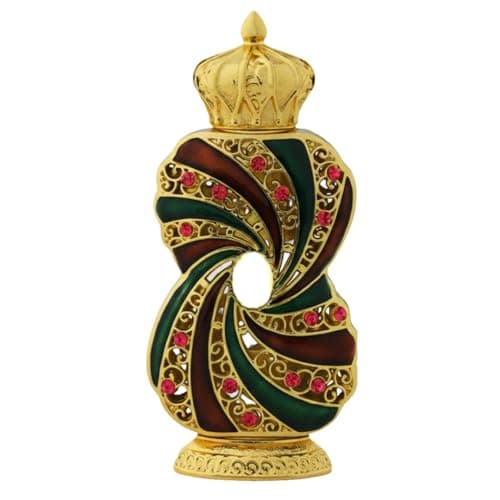
Guide
Perfume Oils vs Sprays
What attars and concentrated perfume oils are, whether they last longer, and when to buy one.
Top pick: Al Haramain Tanasuk Concentrated Perfume Oil (12 ml)
Guide
Cologne vs Aftershave: What's the Difference?
Aftershave is skincare that smells nice; cologne is fragrance. What each is actually for.
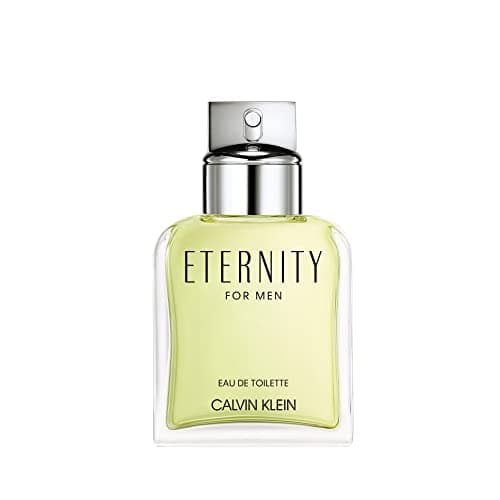
Top pick: Calvin Klein Eternity For Men
Keep reading
Related on Top Note Co
- How Many Colognes Do You Need?The one-bottle versus three-bottle question.
- Fragrance Families ExplainedStep one of the method.
- Best Cologne Under $100Versatile without being ubiquitous.
- Cologne Samples for MenHow to test properly before committing.
- How to Test Cologne ProperlyThe testing method a signature choice depends on.
How we sourced this
Sources
Longevity, sillage and note data are compiled from published manufacturer information and aggregated public reviews, labeled as such — not our own lab measurements. Prices render live from Amazon.