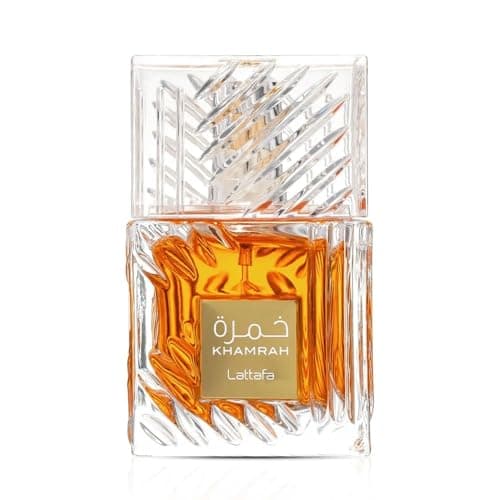
Khamrah is the bottle that changed the conversation. Before it, cheap Arabian fragrance was a niche recommendation traded between enthusiasts; after it, a thirty-dollar Lattafa became a normal thing for an ordinary person to own. It earned that on merit — but it is also far more polarizing than its reputation as a universal crowd-pleaser suggests.
How it smells
The opening is cinnamon and nutmeg over a boozy, jammy sweetness that owners almost universally read as dates. Underneath sits vanilla, tonka and a warm amber base, with praline giving it an almost dessert-like richness as it settles. The overall impression is a spiced fruitcake soaked in something alcoholic — warm, dense and unmistakably festive.
What makes it work is that the spice keeps the sugar in check. A great many cheap gourmands are simply sweet; Khamrah has enough cinnamon and dry amber underneath that it reads as a composition rather than a syrup. That balance is why it gets compared to designer bottles costing several times more, and it is the reason it heads our Lattafa ranking.
Performance
This is the least controversial part. Owner reports routinely put it at ten hours or more on skin, with projection strong enough through the first few hours to fill a room, and traces on clothing lasting into the following day. It is built at eau de parfum strength like almost everything the house makes, which is the structural reason it out-performs designer eaux de toilette costing four times as much — explained properly in the concentrations guide.
Two sprays is genuinely the ceiling. Three is too many indoors, and the density of the material means the difference between pleasant and cloying is smaller than you would expect. If you are used to designer freshes, recalibrate downward before you wear this somewhere it matters.
Where it works, and where it really does not
Cold weather, evenings, and anywhere you are happy to be noticed. It is one of the strongest autumn and winter bottles at any price and it appears in our winter ranking for exactly that reason.
It is a bad choice for heat, for daytime in a warm climate, and for any shared workspace. Sweet dense gourmands amplify as the temperature climbs, and the same bottle that reads as cozy in December becomes suffocating in July. It is also the opposite of discreet, which rules out the situations covered in our office ranking.
The honest caveats
It is now extremely common. Khamrah's success means you are no longer wearing an obscure gem — in some circles you are wearing the single most recognizable budget fragrance on the market. If smelling distinctive matters to you, that is a real consideration.
The sweetness is genuinely divisive. Fans call it warm and addictive; detractors find it cloying within an hour. There is no way to know which camp you fall into without wearing it, which is why sampling matters more here than with a safe designer fresh.
Maceration is real. Like much of this house's output, a freshly-bottled Khamrah is reported to smell sharper in its first weeks and rounder after a month. If a new bottle underwhelms, give it three weeks in a dark cupboard before judging it.
Khamrah versus its flankers
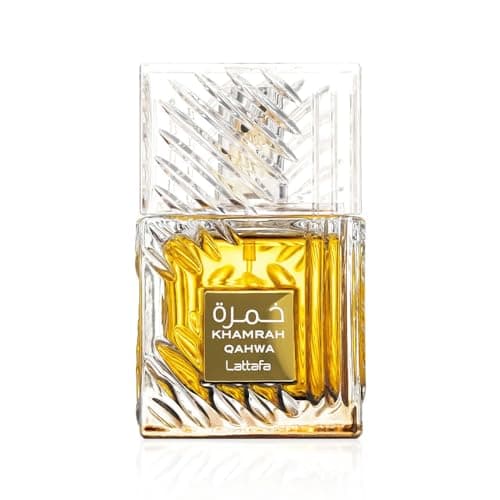
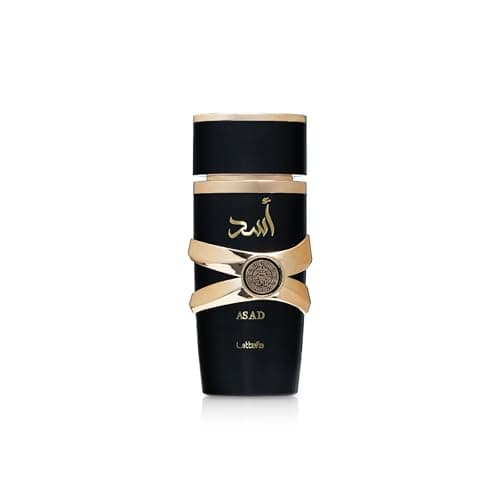
Khamrah Qahwa is the coffee-and-cardamom variation: louder, more masculine-coded and narrower in where it works. It costs more and it is not the better all-rounder, so buy it as a second bottle if you already love the original rather than instead of it. Lattafa Asad is the house's other famous bottle and occupies a genuinely different slot — dark tobacco and coffee rather than sweet spice, covered in our Asad review. Owning both is reasonable; owning Khamrah and Qahwa is closer to owning one fragrance twice.