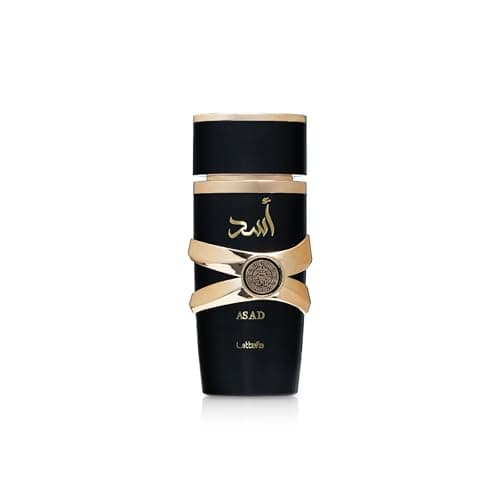
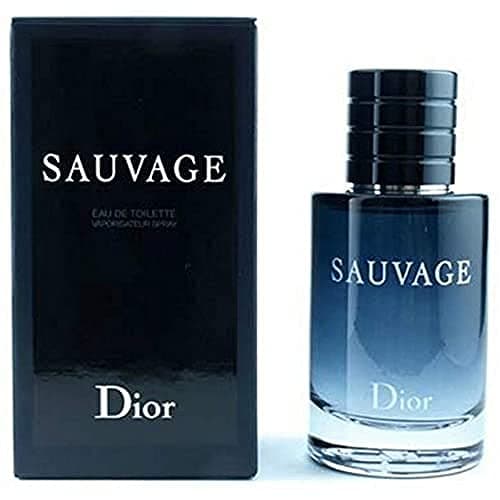
Buy Lattafa Asad. Its published base is vanilla, amber, dry wood, benzoin and labdanum — which is not a marketing phrase but a literal description of the classical amber accord — and it costs roughly what a cinema ticket and dinner do. If you want the same warmth with a designer's polish and a leather edge, Bvlgari Man in Black is the pick, at around four times the money. Everything below that is a choice between amber sub-styles rather than a choice between better and worse, which is why this page is organized the way it is.
First, what "amber" actually means on a bottle
Amber is not an ingredient. There is no amber tree and no amber flower, and perfumery amber has nothing to do with the fossilized resin you see in jewelry. It is an accord — a blend built to produce one effect — and it is traditionally made of three things: labdanum, which supplies spicy, leathery, resinous warmth and acts as the backbone; benzoin, which adds a sweet, balsamic, smoky-vanilla smoothness; and vanilla itself, which rounds the whole thing off. Tonka and other balsams often join in. The result sits in the base of a fragrance, anchors the lighter notes above it, and radiates for hours.
That last part explains why amber fragrances dominate every longest-lasting list, including ours. You are not buying a top note; you are buying a base note that is doing most of the work. If longevity is your actual priority, the shortlist in best long-lasting colognes is heavy with the same bottles for exactly this reason.
Amber, ambergris and ambroxan are three different things
This is the single most common way people buy the wrong bottle. The three names sound related and are routinely used as if they were interchangeable on retail listings. They are not:
- Amber — the blended resin accord above. Warm, sweet, slightly powdery, cozy. This is what this page is about.
- Ambergris — originally a marine material of whale origin, now almost always recreated synthetically. Salty, animalic, radiant. It makes a fragrance feel airy and skin-like, not warm.
- Ambroxan— a lab-made molecule derived from the ambergris profile. Dry, woody, mineral, clean. It is the backbone of a huge share of modern mass-market men's fragrance, and it is the opposite of cozy. We cover it in full in what ambroxan is.
So a listing that says "amber" can be selling you a sweet resinous hug or a dry mineral woody — and plenty of "amber" fragrances are mostly the latter. Rank seven on this page is deliberately one of those, included so you can hear the difference rather than find it out after you have bought a bottle.
Why the family is suddenly everywhere
Partly because of a naming change rather than a trend. For most of the twentieth century this family was called "oriental" in the trade, and over the past few years the industry has moved away from that word — Ormonde Jayne's founder wrote publicly about the shift in 2021, crediting the critics Tania Sanchez and Victoria Frolova with pushing the conversation — and "amber" is the replacement that stuck. Fragrantica's own database still shows both conventions in transition: the bottles ranked below are variously filed under "Oriental", "Oriental Vanilla" and "Oriental Floral" while the shelves at retail now say amber. Same fragrances, new label. If you have been told a fragrance is an "oriental" and you cannot find that category anywhere, this is why. The whole family map is in fragrance families explained.
How we picked and ranked these
Every bottle here had to have the amber accord doing real structural work, not a single amber note buried at the end of a note list. Then we ranked on the same five-part rubric we use everywhere on this site — longevity, sillage, projection, value and versatility, scored from compiled research rather than from a lab, as explained on how we review — and weighted value hard, because amber is the one family where the Arabian houses are not merely competitive with designers but arguably better at it. Labdanum, benzoin and vanilla are not rare or expensive materials. A $25 bottle can genuinely do this well. A $120 bottle has to earn the gap on blending and wearability, and only one of the designer options here does.
We also deliberately spread the list across the sub-styles, because "best amber" is close to meaningless as a single ranking. Amber blends with almost everything, and a sweet date-and-cinnamon gourmand amber and a dry leather amber are not alternatives to each other. One bottle per lane, and the lane is named in each entry.
The lanes, and which bottle owns each
Resinous amber — the reference version
This is amber doing its classical job: warm, sweet, resin-led, sitting close to the skin and lasting. Lattafa Asad is rank one here and it is not a close call at the price. Fragrantica lists it as black pepper, tobacco and pineapple on top; patchouli, coffee and iris through the heart; and vanilla, amber, dry wood, benzoin and labdanum in the base — the textbook accord, with a tobacco-and-coffee bitterness layered over it so it does not read as dessert. It holds 4.03 out of 5 on 14,541 Fragrantica votes, and Parfumo's panel scores it 7.6 for scent, 7.9 longevity, 7.7 sillage and 8.9 for value for money on more than 2,300 ratings. The honest catch: it is a cold-weather evening bottle and it is loud, so dose it at two sprays and read the full Asad review before you wear it to an office.
Leather amber — the designer benchmark
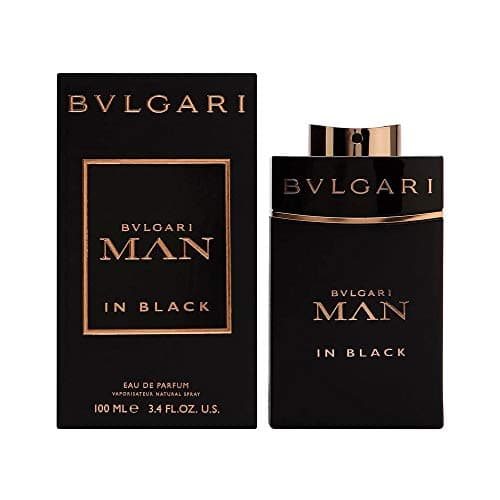
Amber with hide in it, which is the most grown-up version of the family and the hardest to do cheaply. Bvlgari Man in Black is the pick, and it is the one designer bottle on this page we would still buy at full price: the amber is wrapped in a dark, slightly animalic leather that nothing in the budget tier replicates convincingly. It sits at rank two rather than rank one on value and on volume — it is a 60 ml bottle at multiples of the Asad price. The broader hide-and-suede field is in best leather colognes.
Fruity amber — the easiest one to like
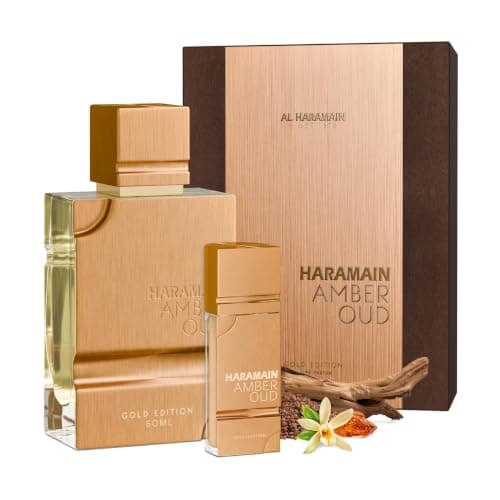
Al Haramain Amber Oud Gold Edition is the gateway bottle for this family and it is deliberately ranked third rather than first. Fragrantica lists it as bergamot and green notes over melon, pineapple, amber and a gourmand accord, landing on vanilla, musk and woody notes, and it holds 4.26 out of 5 on 5,932 votes. It is syrupy, immediately likeable and enormous on performance. It is also the least versatile thing here: over-spray it and it turns cloying fast, and it reads as a dessert rather than as a fragrance in a warm room. Two sprays, cool weather. The rest of the house is ranked in best Al Haramain fragrances.
Gourmand amber — amber as food
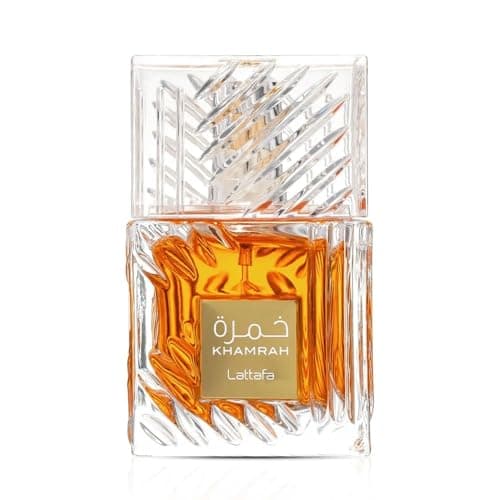
Lattafa Khamrah is the cinnamon-date-vanilla bottle that made the West take Arabian perfumery seriously, and it is amber with a bakery on top. Rank four because it is the most polarizing fragrance on this page and the one most likely to be wrong for the person buying it: the people who dislike it are not wrong about the sweetness, they simply do not want it. If you already know you like sweet, see the wider list in best sweet colognes.
Saffron amber — the niche-smelling lane
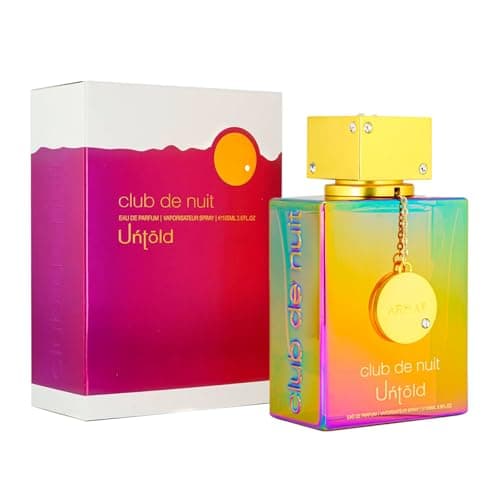
The most-asked-about corner of the family, because the famous four-figure saffron-amber is the fragrance everyone wants a route into. Armaf Club de Nuit Untold is the one we rank here, on a 105 ml bottle with projection you can measure across a room. It is heavier and sweeter than the thing it echoes — it trades that scent's transparency for volume — and it costs roughly twice the cheapest credible take on the style, which is why it sits at five rather than higher. The whole saffron-amber field, including the cheaper options, is ranked in best Baccarat Rouge 540 dupes.
Spiced amber — the cheapest honest entry
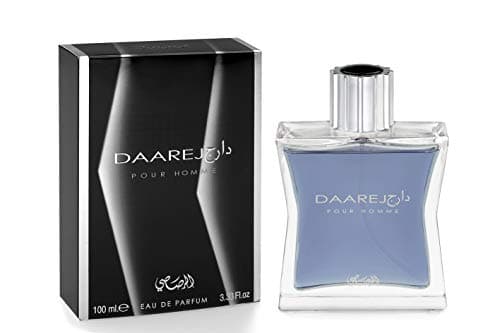
Rasasi Dareej Pour Homme is the least expensive bottle on this page by a clear margin and the one we are most careful about recommending. Cumin and cardamom open it, which is a shock if nobody warns you, before it settles into vanilla, tonka and amber — and that dry-down is genuinely lovely for the money. Owners split hard: warm boozy bargain in one camp, cloying and artificial in the other, and both are describing the same juice accurately. Rank six for that reason, not for quality.
Dry amber — the one that is not warm at all
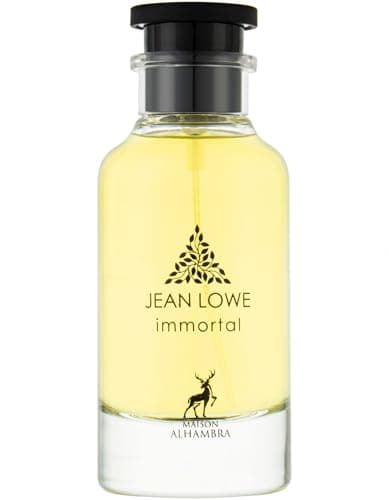
Maison Alhambra Jean Lowe Immortel is on this list as a deliberate counter-example. Its base is ambroxan and labdanum, so it is technically an amber fragrance, but what you actually smell is grapefruit, ginger and a bitter herbal brightness — a daylight, warm-weather fragrance that happens to use amber materials for structure rather than for warmth. If every other bottle here sounds too heavy for your climate, this is the one to try, and it is the clearest demonstration available of why "contains amber" tells you almost nothing.
What it costs per milliliter
Bottle sizes in this family range from 60 ml designer flacons to 105 and 120 ml Arabian-house bottles, which makes sticker prices actively misleading. The numbers below divide the live Amazon price by the volume printed on the listing, so they update when the price does:
| Bottle | Size | Price | Per ml | Amber lane |
|---|
| Lattafa AsadLabdanum, benzoin and vanilla in the base with tobacco and coffee over the top. The one to buy first. | 100 ml | $23.50 | $0.23 | Resinous — the reference |
| Bvlgari Man in BlackThe designer benchmark. Smallest bottle here and the highest cost per milliliter by a wide margin. | — | $91.51 | — | Leather |
| Lattafa KhamrahCinnamon, date and vanilla. Sweetest thing on the page and the most divisive. | — | $34.98 | — | Gourmand |
| Armaf Club de Nuit Untold105 ml of very loud saffron-amber. Kind per-milliliter maths, heavy-handed fragrance. | 105 ml | $39.35 | $0.37 | Saffron |
| Rasasi Dareej Pour HommeCumin and cardamom into vanilla-tonka-amber. The cheapest route into the family. | — | $16.95 | — | Spiced |
| Al Haramain Amber Oud Gold EditionMelon, pineapple and a gourmand accord over vanilla. Only 60 ml, so it is dearer than it looks. | 60 ml | $39.99 | $0.67 | Fruity |
#ad · Prices are live from the Amazon Product API, as of October 11, 2026, and per-milliliter is calculated from them. Where we have no verified live price we show a dash rather than a number that has rotted. Closeness calls are our editorial judgment, not lab measurements.
Two things jump out of that table most of the time. The designer bottle is not merely more expensive, it is several times more expensive per spray — and the loudest bottle in the list is also one of the cheapest per milliliter, which is a useful reminder that cost per milliliter measures value, not suitability.
How to buy an amber fragrance without regretting it
Assume you need fewer sprays than you think
Amber materials are base notes with high substantivity: they sit on skin and fabric and keep radiating long after the top notes have gone. The dose that feels right on application is routinely too much four hours later, and over-application is the single most common reason a perfectly good amber bottle ends up unworn. Start at two sprays with any bottle on this page and see how many sprays to use.
Buy for the season you actually have
Five of these seven are cold-weather fragrances, and that is not a failure of imagination — it is what the family is for. Heat amplifies sweetness and resin, so a bottle that reads as cozy in November reads as syrup in July. If you live somewhere hot, rank seven and the fresh lists in best summer colognes and best fresh colognes will serve you better than forcing an amber into a climate that does not want one.
Test the dry-down, not the opening
Amber fragrances are back-loaded. The first fifteen minutes of several bottles here — the cumin on the Rasasi, the sharp herbal blast on the Alhambra — are the worst part of the wear and tell you almost nothing about the hours that follow. Spray on skin, leave the shop, and judge it at the two-hour mark. Our method for doing that properly is in how to test cologne, and if you would rather not gamble on a full bottle at all, the sampler route is in best cologne sampler sets.
Watch what amber does to clothing
Dense, resinous, deeply pigmented juices are the ones most likely to mark light fabric, and the loudest bottle on this page carries that complaint from repeated owner reports. Spray skin, not shirt collars. The full fabric-by-fabric risk breakdown is in spraying cologne on clothes.
Do not pay designer money for the accord itself
This is the family where the price argument is weakest for the big houses. Labdanum, benzoin and vanilla are workhorse materials, the Arabian houses use them generously, and a $25 bottle of Asad genuinely competes on smell with things costing five times more. What designer money buys you in this category is blending, restraint and a leather or floral complication done well — Man in Black is on this list because it delivers that. Pay the premium when there is something above the accord worth paying for, and not otherwise. The economics are laid out in why cologne is so expensive.