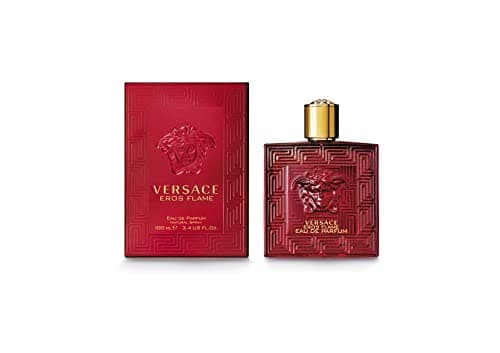
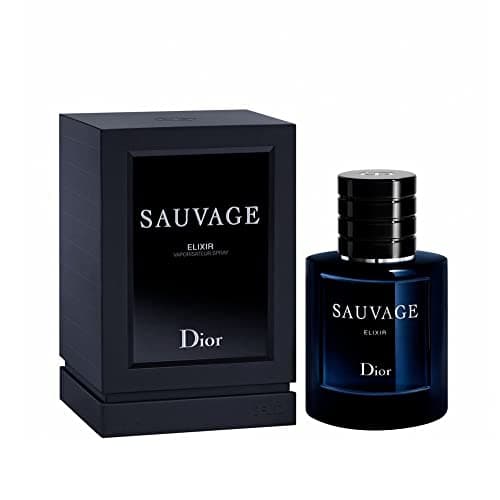
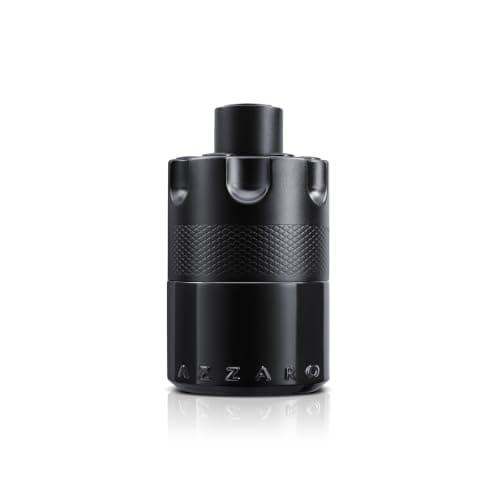
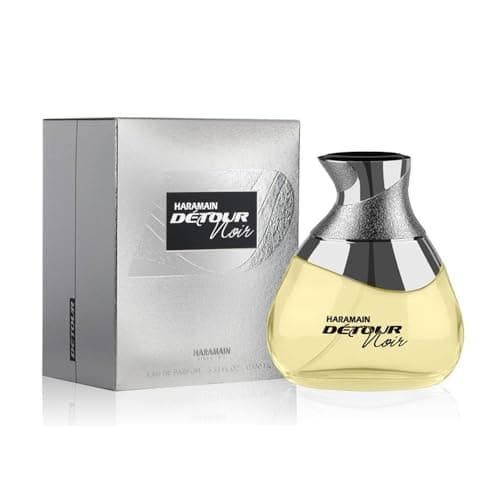
"Spicy" is two families wearing one label, and mixing them up is why people buy a spicy fragrance and find it unwearable. Perfumers split spices into hot — cinnamon, clove, nutmeg, pimento, saffron — and fresh or cool — pink pepper, cardamom, ginger, coriander. The hot end is a winter proposition. The cool end works in July. Decide which one you are shopping for before you look at a single price.
Hot spices versus cool spices
The division is standard in the industry. Fresh spices are described in perfumery terms as rising and lifting: cardamom "slightly camphorated, green and terpenic", ginger "fresh, hesperidic and rosy", pink pepper "fresh and airy" and a natural partner to citrus. They behave like top notes — they sparkle and then they are gone.
Hot spices do the opposite. Nutmeg is "spicy, dry, hot and deep"; cinnamon bark works as a heart and base note for warmth; saffron contributes a strong, spicy leather note. These are the materials that make a fragrance feel like a fireplace, and they sit low in the composition where they last for hours.
There is one more thing worth knowing: spice rarely leads. A fragrance described as spicy is almost always spicy-amber, spicy-woody or spicy-fresh, with the spice acting as the contrast element against something sweet or resinous. That is why the ranking below reads as a list of amber and woody fragrances — the spice is the signature, not the bulk.
How we split this ranking
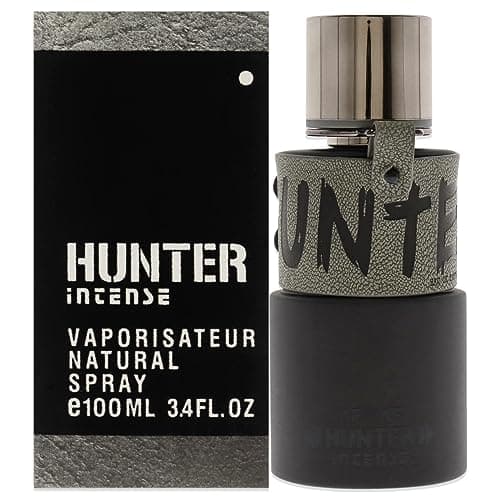
Picks one to six are hot-spice fragrances in descending order of how well they execute it, and pick seven is the outlier: Armaf Hunter Intense is a fresh aquatic with a peppery lift, and it is here because "best spicy cologne" lists almost never include anything you could wear in real heat. If you searched for spicy and you live somewhere hot, start at the bottom of this list rather than the top.
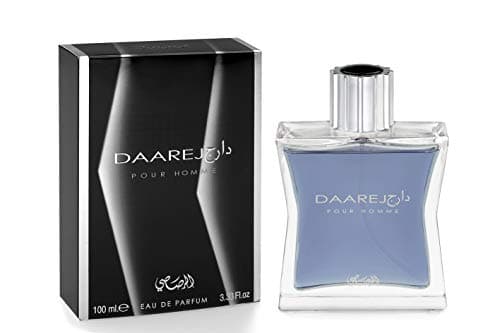
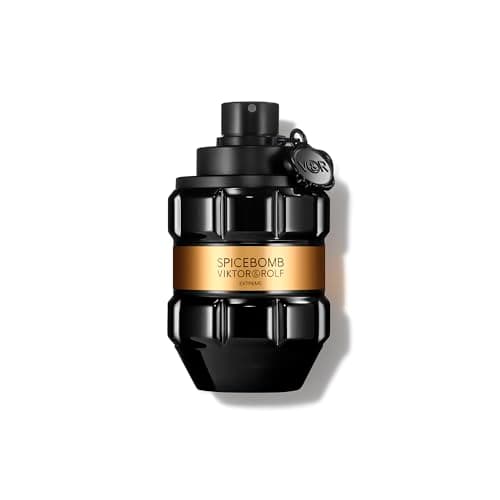
Within the hot group there is a real split between the cinnamon-and-tobacco direction (Spicebomb Extreme, Most Wanted) and the sweet-vanilla-with-spice direction (Detour Noir, Dareej). The first group reads drier and more adult; the second is closer to the gourmand shelf and gets more compliments in exchange for less versatility. Our sweet ranking is where you go if the second sounds more like you, and the woody ranking if the first does.
The mistake almost everyone makes with spice
Over-spraying. Hot spices are dense, heavy molecules with real projection, and they carry much further per spray than a citrus does. Two sprays of a spicy amber deposits more perceptible fragrance into a room than four sprays of a fresh aquatic — a point our spray-count guide makes in detail. If you have ever been told a fragrance was too much, there is a good chance it was a spicy one and there is a good chance the fragrance was not the problem.
The second mistake is season. Cinnamon and clove in August do not read as cozy; they read as airless. Save the top of this list for October through March, which is also when the winter ranking overlaps most heavily with this one.
What to look for
Read the note list and find the spice, then ask what it is sitting on. Spice over amber and vanilla gives you warmth and compliments. Spice over dry wood gives you formality. Spice over a marine or citrus accord gives you a daytime fragrance with an edge. Then check the concentration: hot spices need the body that an eau de parfum gives them, and a thin eau de toilette version of a spicy fragrance usually feels like a hint of one. Our notes guide explains how to read a listing and predict the result.
Choosing a spicy fragrance
Start with the season you actually need it for
If you want one spicy bottle and you live somewhere with a real winter, buy a hot-spice amber and accept that it lives in a cupboard for five months. If you want something spicy you can wear year-round, you want a fresh-spicy — pepper or cardamom over a marine or citrus base — and the honest news is that there are far fewer good ones. Hunter Intense at around $22 is the value answer; the fresh ranking has the wider field.
The cheap end of spice is unusually strong
Spice is one of the families where budget bottles genuinely compete, because the materials that read as cinnamon, cardamom and clove are available to everyone. Rasasi Dareej at around $17 and Al Haramain Detour Noir at around $22 are not compromises against the designers above them — they are less refined and less distinctive, and they cost a sixth as much. The broader case is in our dupes ranking.
If you are new to the family, sample first
Spice is polarizing in a way that fresh is not. Cinnamon in particular reads as delicious to some people and as air freshener to others, and you will not know which camp you are in from a shop card. This is a family where a sampler set or a decant genuinely saves money.
Watch the batch, especially on Spicebomb Extreme
Owner reports on the Viktor&Rolf line describe meaningful variation between batches in performance — one of the reasons we score it below its reputation. It is not a counterfeit issue so much as a reformulation-and-production one, but if you are spending that much it is worth buying from a seller you can return to. Our counterfeit guide covers how to tell the two problems apart.