Dupes & Clones · Dupes & Clones
Are Cologne Dupes Worth It?
Sometimes genuinely yes, sometimes absolutely not — and the difference comes down to what you are actually buying a fragrance for.
#ad— We're reader-supported. When you buy through links on this page we may earn an Amazon Associates commission, at no extra cost to you. It never changes a verdict — we routinely point you at the cheaper bottle. Full disclosure.
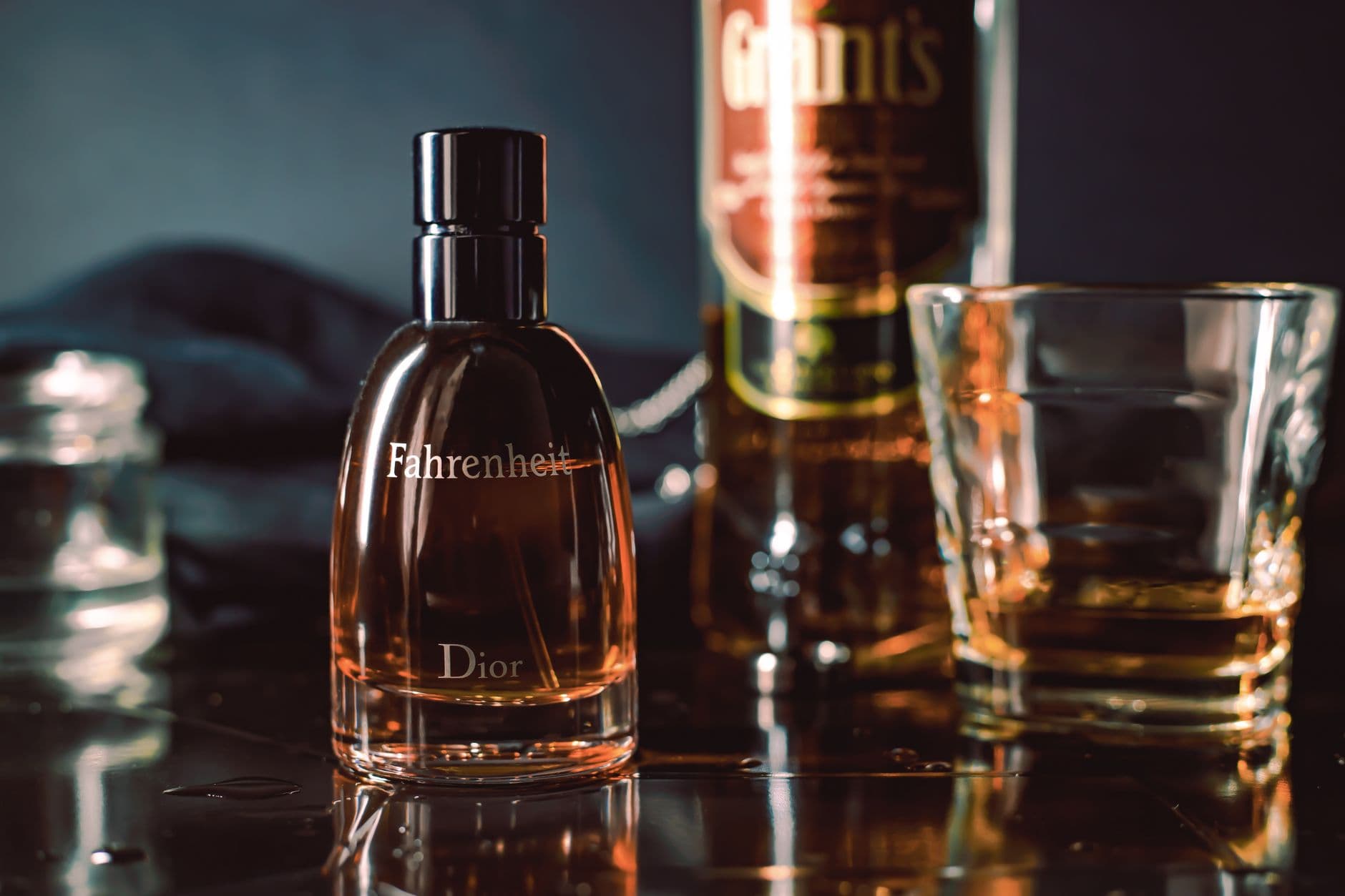
A cologne dupe is worth it when you want a familiar smell at a fraction of the cost and can accept a rougher dry-down. It is not worth it when you want the specific refinement, the exact character, or the rarity of the original — because those are the three things a clone structurally cannot give you. Everything below is an expansion of that answer.
First, what a dupe actually is
A dupe — short for duplicate, also called a clone — is a legitimate fragrance from a legitimate house that is built to smell like a famous, usually expensive original. It is not a counterfeit. A counterfeit pretends to be the designer bottle, uses its branding, and is illegal. A clone is sold under its own name by a real company with a reputation to protect. Confusing the two is the single most common mistake in this conversation, and the distinction matters enormously for what you are risking.
The case for: three situations where clones win
You want the vibe, not the badge. If what you actually enjoy is smoky pineapple, and Creed Aventus is simply the most famous version of that, then Armaf Club de Nuit Intense Man delivers the thing you like for roughly a tenth of the outlay. Nobody is auditing your bottle.
You are still learning what you like. Taste in fragrance moves fast in the first year or two. Discovering that you dislike oud on a twenty-dollar bottle is a much better outcome than discovering it on a three-hundred-dollar one. Clones are an extremely efficient way to explore entire styles cheaply, which is also the argument in our designer vs niche comparison.
You want performance per dollar. This is the one people underestimate. Because most Arabian-house clones are built at EDP strength, they frequently out-last and out-project the designers they imitate. If longevity is your priority, the clone is often the objectively better buy.
The case against: four situations where they lose
The dry-down is where clones give themselves away. Openings are relatively easy to match; the last four hours are not. Cheaper materials mean less nuance, and a clone that is convincing at ten minutes often turns flat or generically sweet by hour three.
Some originals are much harder to copy than others. This is not uniform. Dior Sauvage clones get genuinely close because the fragrance is built on a widely available synthetic with little development. Bleu de Chanel clones consistently miss because what people are buying is smoothness, which is craftsmanship rather than an ingredient. Read the Sauvage dupes and Bleu de Chanel dupes pages side by side and the difference is obvious.
Batch variation is wider. High volume and thin margins mean more inconsistency between production runs than you would get from a designer. Two bottles of the same clone can genuinely perform differently.
You lose the thing you may actually be paying for. If part of the appeal of an expensive fragrance is that it is rare, or that it was composed by someone whose work you follow, a clone gives you none of that. That is a legitimate thing to value.
A practical rule
Buy the clone first. Wear it for a month. If you find yourself repeatedly wishing the dry-down were better — not wishing the bottle were fancier, but genuinely missing something in the smell — that is the signal the original is worth its price for you. If you never think about it again, you have saved several hundred dollars and lost nothing at all. That test costs about twenty-five dollars and answers the question far better than any article can, including this one.
The three questions worth asking before you buy either
How often will I actually wear this? A fragrance worn twice a week for three years justifies a very different budget from one worn at four weddings. Cost per wear, not sticker price, is the number that matters, and it is the reason an expensive bottle you love can be better value than a cheap one you tolerate.
Do I like this style, or do I like this bottle? If it is the style — smoky pineapple, sweet cinnamon, salty aquatic — a clone will almost certainly satisfy you. If it is the specific composition, and you can articulate what the original does that others do not, that is the case for spending.
Would I still want it if nobody knew what it was? This one is uncomfortable and useful. Nobody can identify your fragrance by smell alone, so the badge is doing less work than it feels like it is. If the honest answer is that the name matters, that is fine — just price it in deliberately rather than telling yourself it is about the materials.
What we will not tell you
We will never claim a clone is a "100% match". Noses are not that precise, we do not run a lab, and anyone publishing a percentage to two decimal places is guessing with confidence. Our closeness calls are editorial judgments compiled from published note structures, concentration data and aggregated reports from owners who have worn both — the full method is on the how we review page. When a clone gets close we say so; when it borrows a bottle color and nothing else, we say that too.
Questions
Frequently asked
Are cologne dupes worth buying?
Often, with your eyes open. A well-made clone from an established house gets you most of the way to an expensive icon for a fraction of the money, and frequently out-performs it on longevity. What you give up is the refinement of the dry-down, some consistency between batches, and the rarity of the original. If those three things are why you wanted the expensive bottle, buy the expensive bottle.
Are cologne dupes fake or illegal?
No. A dupe is an original fragrance sold under its own name by a real, licensed house that happens to chase a familiar smell — that is entirely legal. A counterfeit is a bottle pretending to be a designer product it is not, which is illegal and is a completely different thing. Buy clones from established houses and be very wary of "designer originals" priced far below retail.
Do dupes smell exactly like the original?
No clone is identical, and anyone promising a perfect match is selling something. The best ones capture the overall accord that makes the original recognizable, usually most convincingly in the first hour. IFRA material restrictions, cost substitutions and batch variation all push the two apart over a wear.
Which designer fragrances have the best dupes?
Ones built on widely available synthetics with simple structures. Dior Sauvage is the standout — its ambroxan core is easy to source and there is little development to reproduce. Creed Aventus has one genuinely close clone in Armaf Club de Nuit Intense Man. Bleu de Chanel is the clearest example of the opposite: its appeal is polish, and polish does not clone.
More in Dupes & Clones
Keep exploring dupes & clones
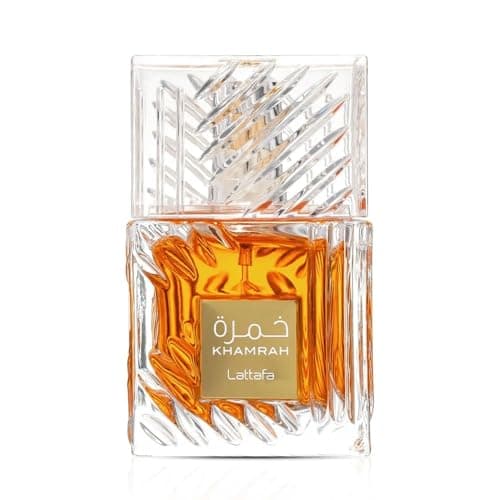
Comparison
Lattafa Khamrah vs Asad
The two Lattafa heavyweights compared — sweet spice against dark tobacco.
Top pick: Lattafa Khamrah
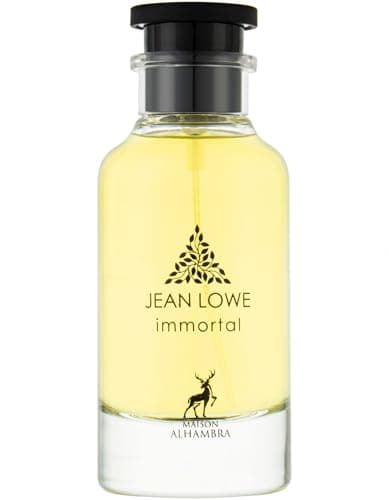
Roundup
The Best Maison Alhambra Fragrances
The Dubai clone house ranked with live prices — what each bottle echoes, and which are worth it.
Top pick: Maison Alhambra Jean Lowe Immortel
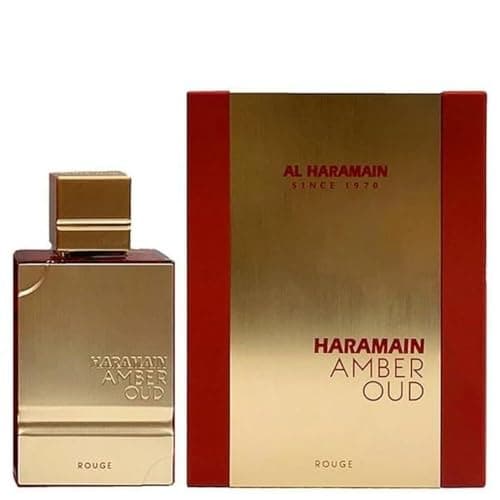
Roundup
The Best Al Haramain Fragrances
Al Haramain ranked honestly — the sweet ambers, the fresh outlier, and which to buy first.
Top pick: Al Haramain Amber Oud Rouge
Keep reading
Related on Top Note Co
- Best Cologne DupesThe ranked shortlist of clones that actually deliver.
- Designer vs NicheThe same value question one tier further up the market.
- Best Cologne Under $50What the budget tier looks like across every scent family.
- How We ReviewExactly how our closeness calls are made, and what we do not claim.
- Best Al Haramain FragrancesOne house, judged on its own merits rather than its clones.
How we sourced this
Sources
Longevity, sillage and note data are compiled from published manufacturer information and aggregated public reviews, labeled as such — not our own lab measurements. Prices render live from Amazon.