Somewhere past the designer counter there is a second market where bottles cost three hundred dollars and up, and the people who buy them will tell you the difference is obvious. The people who do not buy them will tell you it is marketing. Both camps are partly right, and the honest answer depends entirely on which specific thing you are hoping the extra money buys.
What the words actually mean
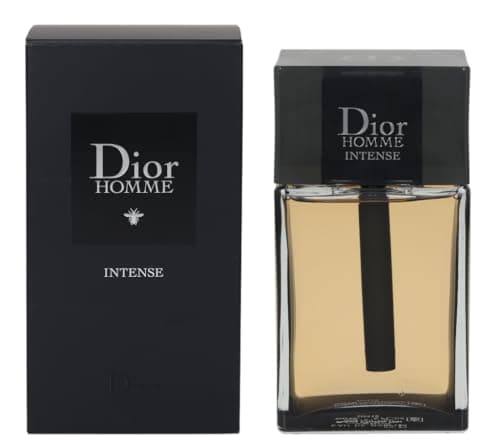
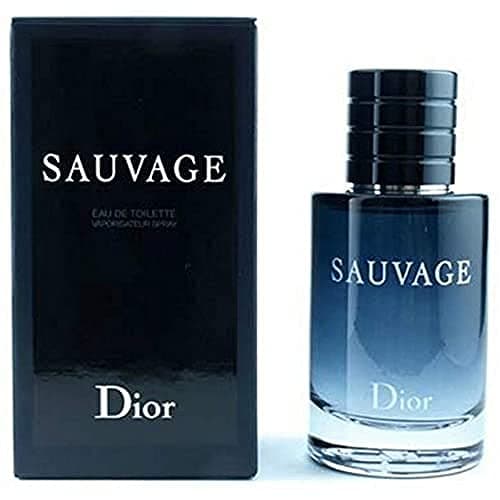
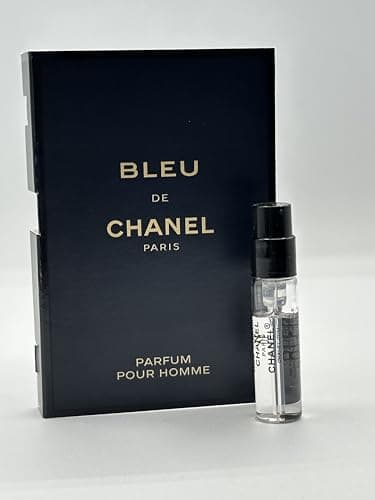
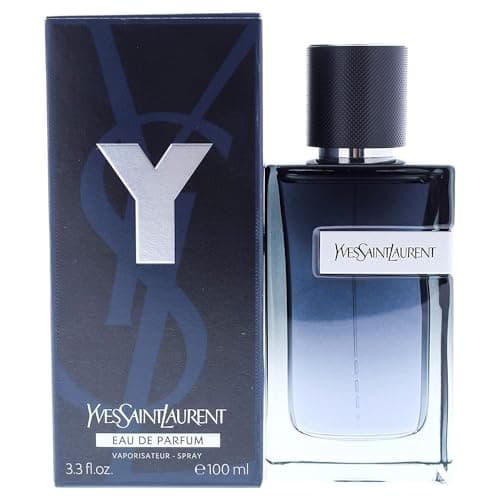
Designer fragrances are made under license by fashion houses — Dior, Chanel, Armani, YSL — usually by a handful of large fragrance manufacturers, and they are built to sell in enormous volume to a broad audience. Niche houses — Creed, Xerjoff, Amouage, Parfums de Marly and dozens of smaller names — sell far less, price far higher, and answer to a much smaller audience. That last point is the actual structural difference, and everything else follows from it.
Because a designer release has to please a mass market, it is sanded down: nothing too strange, nothing polarizing, an accessible fresh or sweet profile that works on almost anyone. A niche house does not need to please everyone, so it can build something odd, difficult, or extremely rich. That freedom is what you are paying for far more than the raw materials.
The three things the money genuinely buys
Distinctiveness. This is the real one. Wearing a top-ten designer means smelling like a lot of other people; niche fragrances are rare enough that most rooms will not contain a second one. Material quality, sometimes. Higher budgets do allow more naturals and higher concentrations, which typically shows up as a richer dry-down rather than a louder opening. Composition. A good niche fragrance often develops across a wear in a way a mass-market release deliberately avoids.
The three things it does not buy
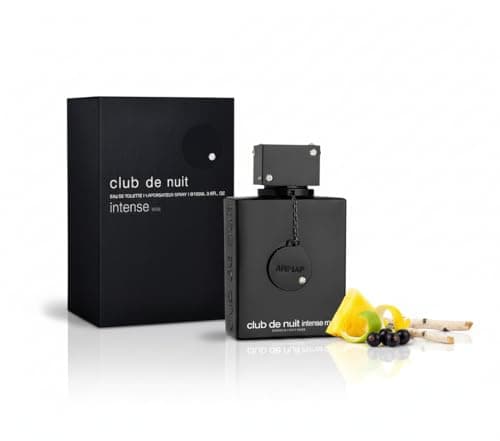
Performance. This surprises people. Plenty of expensive niche fragrances are quieter and shorter-lived than a thirty-dollar Arabian EDP, because loud longevity is often achieved with cheap tenacious synthetics that niche houses use more sparingly. Armaf Club de Nuit Intense out-projects most of the niche market. Compliments. Mass-market fragrances are engineered for broad appeal, so they reliably out-perform strange, interesting ones on this measure. Objective quality. There is no scale on which a three-hundred-dollar bottle is measurably better; there is only whether you personally prefer it.
Where the clones fit
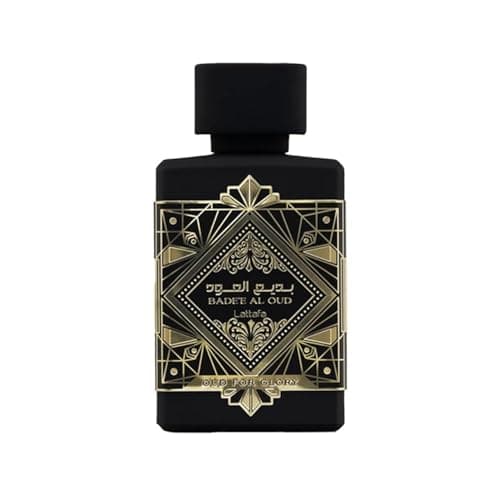
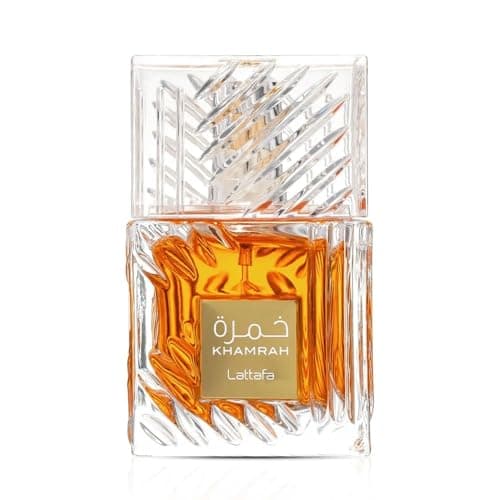
The value houses in our dupes ranking have complicated this whole argument in the last few years. Lattafa's Bade'e Al Oud sits in the niche-style saffron-oud lane for the price of a takeaway, and Armaf Club de Nuit Intense gets close enough to Creed Aventus that most people cannot tell in the first hour. They will not match the dry-down, the refinement or the rarity — but they answer the question "what does that style even smell like" for a fraction of the outlay, which is exactly how we would suggest exploring before spending.
How this list is ordered
These six bottles are not ranked best-to-worst — they are arranged as a ladder, from the genuine niche reference at the top through the designer middle to the clones that approximate both. Our published rubric weights value equally with performance, which is why the cheapest bottles here carry the highest overall scores while sitting lower in the order. That is the entire designer-versus-niche argument expressed as numbers.
How to explore niche without wasting money
Never blind-buy at this price
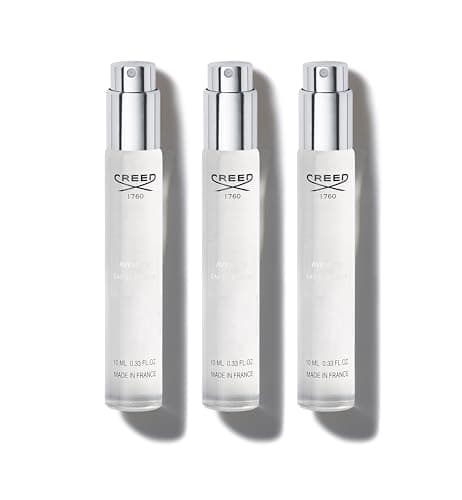
Niche fragrances are strange on purpose, which means the hit rate on an unsampled purchase is genuinely poor. A three-hundred-dollar bottle you do not enjoy is the most expensive mistake in this hobby, and it happens constantly. Buy samples, decants or an official travel set first — every serious niche house sells one, and the Creed atomizer set above is exactly that principle applied to the most counterfeited fragrance on the internet.
Try the clone before the original
If a niche fragrance has a well-known affordable interpretation, wearing that first is a cheap and surprisingly reliable way to find out whether you like the style at all. If you love Club de Nuit Intense, Aventus is worth sampling. If you find Bade'e Al Oud too medicinal, you have just saved yourself several hundred dollars on the niche oud category. Our are dupes worth it guide works through when this logic holds and when it does not.
Watch out for the counterfeit tier
The expensive end of the market is where fakes are most profitable, and Creed Aventus is the single most counterfeited fragrance sold online. A heavily discounted full bottle from an unfamiliar marketplace seller is a bad bet regardless of how good the listing photos look. Buy from the house, an authorized retailer, or a reputable decanting service — the detail is in our where to buy guide.
Be honest about why you want it
If the goal is compliments, designer wins and it is not close. If the goal is performance per dollar, the Arabian houses win outright. Niche is worth the money when the goal is to wear something that is genuinely yours, that you find interesting rather than merely pleasant, and that almost nobody else in the room will be wearing. That is a real thing to want — it is just worth naming it before spending.