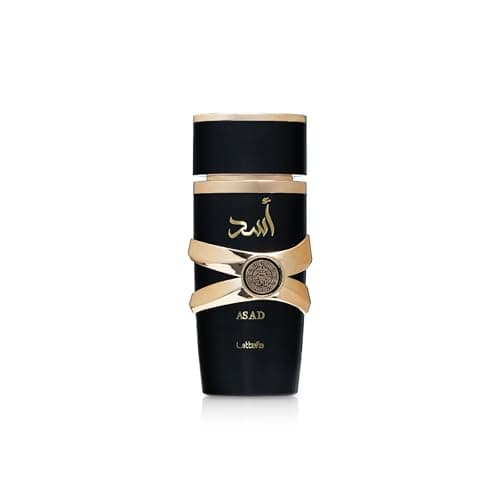
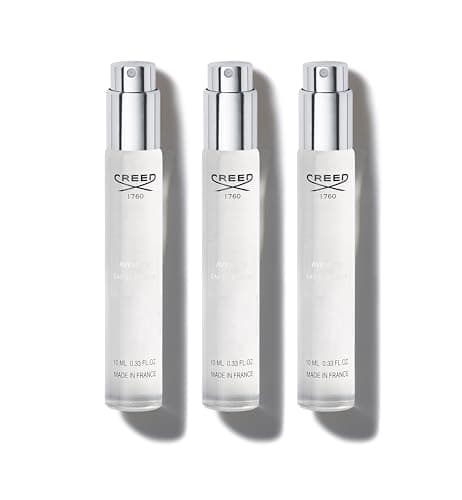
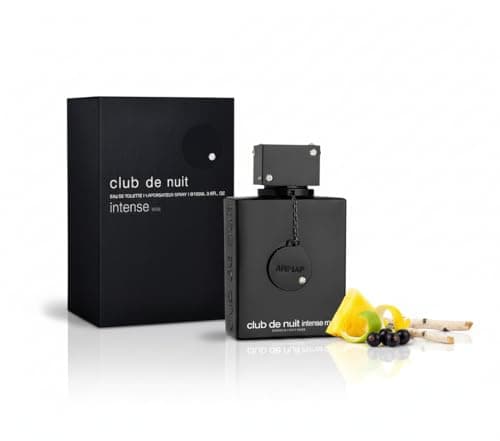
The liquid is the cheapest part. Published industry breakdowns put the aromatic compound in a designer fragrance at a low single-digit percentage of what you pay, with marketing, packaging and distribution taking 80 to 90 percent of the retail price of a mainstream luxury bottle. That is not a scandal and it is not a reason never to buy designer — but it is the fact that makes the budget end of this market work, and it changes how you should shop.
Where the money goes
The figures below come from published cost deconstructions of luxury fragrance pricing, not from our own accounting. Treat them as the shape of the thing rather than a precise ledger for any one bottle:
- The juice — roughly 3 to 8 percent of retail for a designer fragrance, and as little as 1 to 2 percent on some luxury releases. On a £150 bottle, one analysis puts the raw material at somewhere between £1.50 and £10.
- The bottle and box — around 10 to 15 percent, and typically four to six times more expensive to produce than the liquid inside. A custom glass mould alone can cost £50,000 to commission.
- Marketing — the largest line, at roughly 25 to 40 percent. In European markets, fragrance brands have been reported spending 35 to 40 percent of revenue on advertising: the celebrity contract, the film, the media buy.
- Retail and distribution — department stores can take a margin of 45 to 60 percent on every fragrance they stock, and the bottle changes hands several times before it reaches a counter, with each step adding its cut.
Add those up and the picture is clear: the price of a designer fragrance is mostly the price of being told about it in a beautiful bottle, by somebody with rent to pay on a department store floor.
The premiums that are real
Not every expensive fragrance is expensive for nothing, and three premiums genuinely buy you something.
Concentration. An eau de parfum contains more aromatic compound than an eau de toilette, so more of the thing that costs money is in the bottle, and you use fewer sprays of it. This is the most honest upgrade in fragrance, and the one most worth paying for — see fragrance concentrations explained.
Genuinely costly materials. Real oud, natural iris butter, jasmine absolute and ambergris are expensive on a scale that does show up in retail pricing. A house using them in meaningful quantity cannot sell the result for thirty dollars. The catch is that almost nothing on a mainstream shelf uses them in meaningful quantity — which is why we wrote what is ambroxan and best oud fragrances to explain what the labels are really describing.
Perfumer time and iteration. A composition that took years and hundreds of trials costs more to develop than a brief answered in a fortnight, and that does land in the price. It is also the premium you can least easily verify from outside, so treat it as a reason some expensive fragrances are better rather than a guarantee that any particular one is.
Why the budget market can be so good
If the juice is a small share of the price, then a house that spends nothing on advertising, uses a plain bottle and sells direct can put a similar quality of liquid in your hand for a fraction of the money. That is exactly the Arabian fragrance market — Lattafa, Armaf, Rasasi, Maison Alhambra, Afnan — and it is why a bottle at a tenth of designer money can genuinely compete rather than merely being cheap.
What those houses do not have is the perfumer time, the quality control between batches, or the expensive naturals. You see that in the two recurring complaints across the whole category: dry-downs that lose refinement after the first hour, and batch variation. Both are real, and both are discussed honestly in are dupes worth it.
What to look for if you want to stop overpaying
This is the practical part, and it determines which of the picks below is the right one for you.
Compare per milliliter, not per bottle
A 50 ml designer bottle and a 105 ml budget bottle at similar prices are not similar purchases. Dividing the price by the volume is the single most useful habit in this hobby, and it is why our comparison pages carry a per-milliliter table. The arithmetic for sprays is in how many sprays are in a bottle.
Stop paying the discovery tax
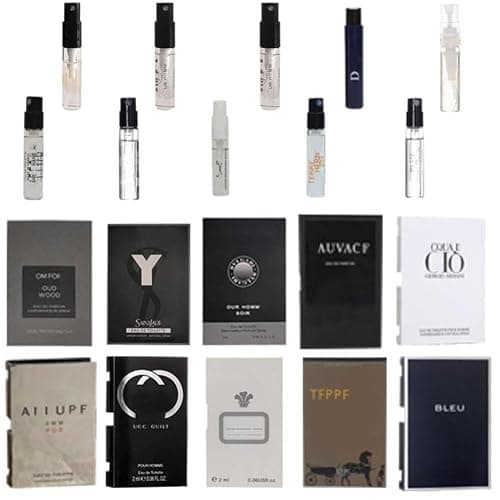
The most expensive fragrance anybody owns is the full bottle they do not wear. Buying a sampler or a decant before committing converts a hundred-dollar mistake into a five-dollar one, and it is the cheapest change you can make to how you shop. See sampler sets and fragrance decants.
Buy the format, not the prestige
If you want something genuinely expensive, the honest route is a small official format rather than a suspiciously discounted full bottle from a marketplace seller. The most counterfeited fragrances are the most desirable ones, and a deep discount on a flagship is the single strongest warning sign there is — see spot a fake cologne and is Amazon cologne real.
Ignore the counter price
Department store margins of 45 to 60 percent mean the recommended retail price is close to fiction. The same bottle routinely sells for far less elsewhere, and prices on this site are pulled live for exactly that reason. Where to look is covered in where to buy fragrance.
Spending well at each budget
Under $35
This is where the Arabian houses are unbeatable, and you are not compromising on smell — only on consistency and polish. Both of the first two picks above live here. The whole field is ranked in best cologne under $30 and best colognes under $50.
$50 to $100
The sweet spot for designer buying, because this is where you reach well-made mainstream EDPs without paying flagship prices. Our under-$100 ranking is built for this band specifically.
Above $150
Only with a plan. At this level you are paying for prestige and packaging unless you have specifically chosen a house known for costly materials, and the risk of a counterfeit rises with the price. Sample first, buy small official formats, and read designer vs niche before deciding the expensive option is the better one.
The honest summary
Cologne is expensive because fragrance is sold as an image, and images cost money to build. The liquid is cheap, the bottle is not, and the campaign is the most expensive part of all. Once you know that, the question stops being "is this worth $150" and becomes "what am I buying with the $120 of it that is not fragrance". Sometimes the answer is a bottle you genuinely love looking at and a house you trust. Often it is not.