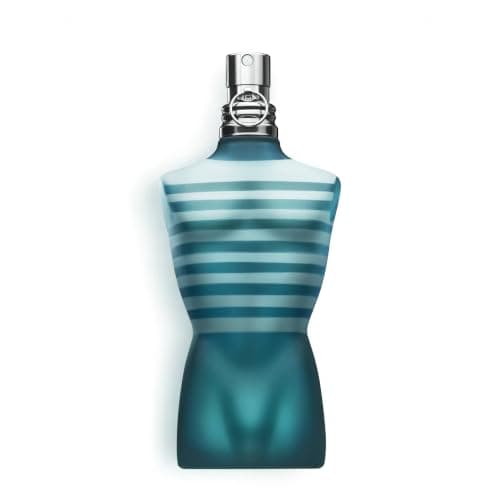
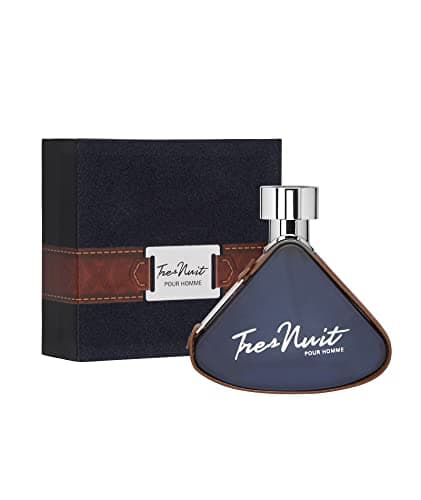
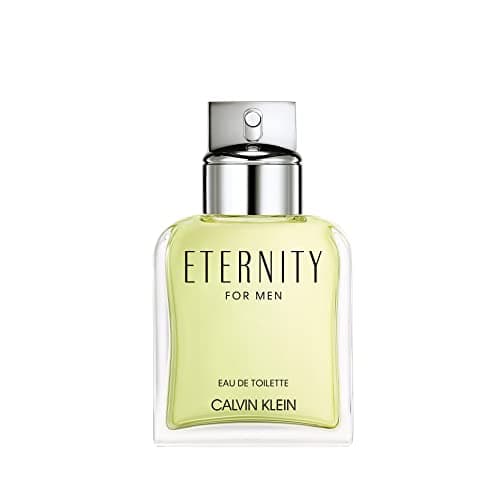
Calvin Klein Eternity is our top pick — the clearest, cleanest example of the structure still in wide production, and the one to buy if you want to understand what the word means or you want something an office will never object to. The budget pick is Armaf Tres Nuit, the cheapest bottle here that does the job properly: a green fougere in the Green Irish Tweed lane for roughly a sixth of Eternity's money. If you want the famous sweet one instead, Le Male is at number two and is a different proposition entirely.
What a fougere actually is
A fougere is not a smell, it is a recipe. The structure was invented in 1882 and named after the French word for fern — a plant that has no scent at all, which tells you the whole family is an invention rather than a reproduction of anything in nature. Three elements define it: lavender on top, coumarin in the base (the hay-and-almond material that comes from tonka bean), and oakmossunderneath for the damp, green, slightly bitter floor. Add citrus at the opening and geranium in the middle and you have the skeleton of most men's fragrances sold in the twentieth century.
That is why the family feels familiar before you have smelled any particular bottle. If a fragrance has ever struck you as smelling "like a barbershop" or "like aftershave" or simply "like men's cologne", a fougere is almost always what you were smelling. Our families guide places it against the other six.
The three directions the family splits into
Clean fougeres push the lavender and the citrus and keep the base dry — Eternity is the reference here, and this is the sub-type that reads as grooming rather than perfume. Green fougeres lean on violet leaf, vetiver and moss for something cooler and more outdoors; Tres Nuit and the Green Irish Tweed lineage it borrows from live here, and we cover that lane in the Armaf ranking. Sweet or gourmand fougeresreplace the moss with vanilla and tonka until the structure is barely visible under the dessert — Le Male invented this in 1995 and half the men's aisle has been copying it ever since.
One genuine complication is worth knowing: oakmoss is restricted. Regulatory limits on the natural extract mean modern fougeres use reduced or reconstructed versions, which is a large part of why a bottle of a classic bought today can smell thinner than the same name bought twenty years ago. That is not a conspiracy about reformulation — it is a published materials constraint that affects every house equally.
How this list is ordered
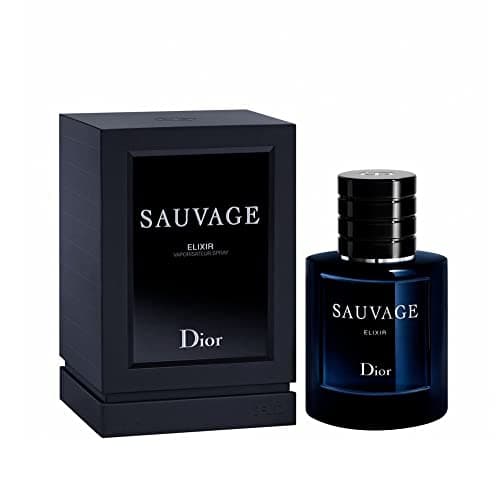
Rank reflects how clearly each bottle expresses the structure, weighed against performance and price under our published rubric. Sauvage Elixir sits in the middle rather than at the top for a specific reason: it is lavender-forward and genuinely fougere-shaped, but it is also the loudest thing on this page by a wide margin, which makes it the wrong introduction to a family whose whole appeal is restraint. The bottle that teaches you what a fougere is belongs at number one; the bottle that gets the most attention does not.
The sweetest bottle on this page is also the most widely owned, and it is the one people most often want to move on from. If that is you, Le Male alternatives starts from it specifically and reaches outside the fougere structure where a better substitute lives.
Buying a fougere well
Decide whether you want grooming or perfume
The clean end of this family smells deliberately like soap, shaving cream and clean laundry. Some people find that reassuring and wear nothing else; others find it anonymous and want something with more character. Neither is wrong, but it is the first fork in the road — and if you want the anonymous-in-a-good-way version, that is also exactly what an office fragrance is for.
Lavender is the tell
If you are not sure whether a bottle is a fougere, look for lavender in the top notes and tonka or coumarin in the base. The two together are close to definitional. If a bottle has lavender but no coumarin it is usually an aromatic rather than a fougere, and it will smell sharper and less rounded.
The family suits spring and autumn best
Fougeres sit in the middle of the temperature range. The green and clean ones are comfortable from roughly ten to twenty-five degrees, which makes them the most reliable shoulder-season choice on the site — our spring and autumn rankings overlap this page heavily for that reason. The sweet ones push into winter; almost none of them are summer bottles.
An older structure is not an older wearer
The family carries a reputation for skewing mature, and the clean sub-type does read as traditional. That is a property of the specific bottles, not of the structure: Le Male and Sauvage Elixir are both fougeres and neither reads as anything but contemporary. If the reputation is what is putting you off, start with one of those rather than with the reference.