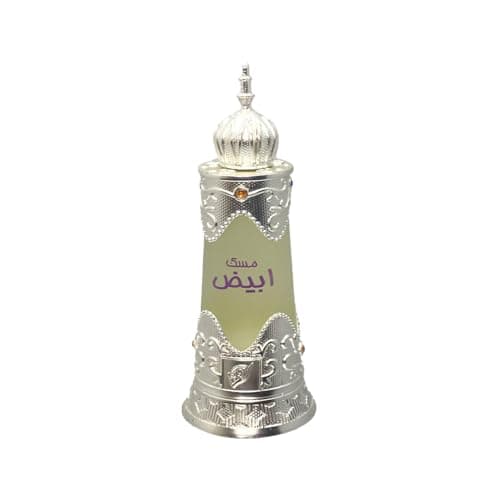
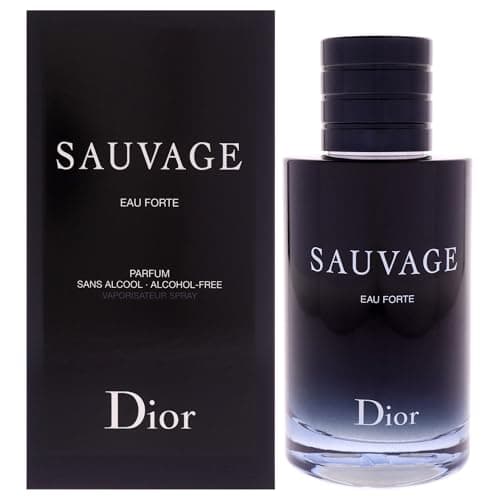
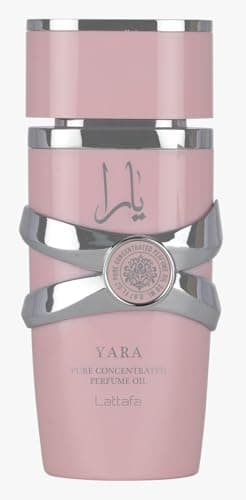
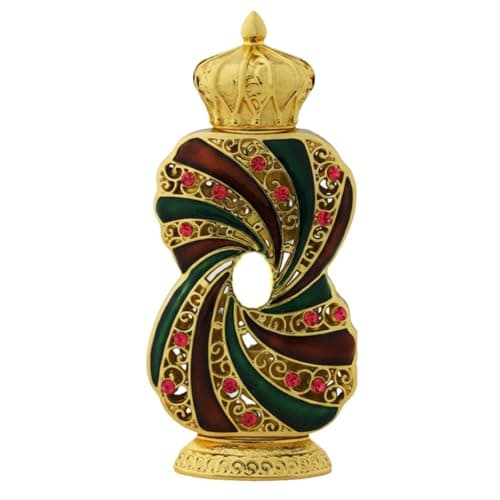
Al Haramain Tanasuk is our top pick — the one alcohol-free bottle here that still reads as a fragrance rather than a skin scent, and the right choice for anyone who wants to leave the alcohol behind without losing the thing they liked about wearing a cologne. The budget pick is Afnan Musk Abiyad, the cheapest of these and the safest to wear anywhere — a clean white musk that almost nobody objects to. If what you want is an alcohol-free fragrance that still sprays, there is exactly one option on this list, and it is at number three.
What alcohol-free actually changes
In a conventional cologne the alcohol is not a filler, it is the delivery system. It flashes off your skin in the first minute and throws the fragrance into the air with it — that burst is what people call projection, and it is why a stranger can smell you from across a room in hour one. An oil or an alcohol-free spray has no such burst. The molecules sit in a carrier (usually a light vegetable or synthetic oil) and release slowly from the skin instead.
That single difference produces every advantage and every drawback of the format. The advantages: longer wear on skin, because nothing evaporates in a rush; no alcohol sting, which matters on reactive or recently shaved skin; no flammability, which matters for travel; and a quieter, closer profile that stays polite in shared air. The drawbacks: very little sillage, almost no top-note sparkle — the bright citrus opening of a conventional fragrance simply does not survive the format — and a scent that can disappear from your nose within an hour even as other people still catch it on your wrist.
Our oils versus sprays guide sets out the mechanics in full. This page is the shortlist that follows from them.
Who this format is actually for
Four groups, in rough order of how often we hear from them. People whose skin reacts to alcohol — the sting, the dryness or a genuine sensitivity — for whom the format is not a preference but the only way to wear fragrance at all; our sensitive-skin guide covers the wider question. People who have to be quiet about it — hospitals, labs, classrooms, open-plan offices with a scent policy — where a close-wearing oil is the difference between wearing something and wearing nothing. Frequent flyers, since a non-flammable oil is simpler to carry than a 100 ml spray, as our flying guide explains. And people observing a religious or personal rule about alcohol on the body, which is a large part of why the Arabian houses make so many of these in the first place.
How this list is ordered
Rank reflects how well each one does the job it is bought for, under our published rubric— with one adjustment we state openly: we do not penalise these for low sillage, because quiet is the format's purpose rather than its failure. We do penalise a bottle that is quiet and short-lived, which is the real failure mode here. Note that the list is short on purpose. Only four products in our catalog are genuinely alcohol-free, and we would rather rank four honestly than pad to ten.
Buying and wearing an alcohol-free fragrance
Apply to warm skin, not to clothes
Oils need body heat to release, so the pulse points matter more here than with a spray: inside the wrists, the sides of the neck, behind the ears. They also stain fabric in a way alcohol-based fragrance does not, so the usual trick of misting a shirt collar is a bad idea — see cologne on clothes for why. One dab per point is plenty; the format rewards restraint it does not need.
Expect to re-apply, and expect not to notice
Two things are simultaneously true of a good oil: it lasts longer on skin than most sprays, and you will stop perceiving it sooner. That is nose blindness working faster on a close-wearing scent, not the oil failing — the detail is in why you cannot smell your own cologne. Ask someone before you add more.
Alcohol-free is not the same as natural
The two words get used interchangeably in marketing and they mean different things. An alcohol-free fragrance can be entirely synthetic, and a natural one can be mostly alcohol. If you are avoiding alcohol for skin reasons the format is what matters; if you are avoiding specific materials, the ingredient list is, and our ingredients guide is the honest version of that conversation.
Buy the small size first
Oils are concentrated, applied in dabs and bought in 10 to 20 ml bottles for a reason — a bottle this size outlasts a 100 ml spray for most wearers. There is no value argument for buying a large one before you know you like the format. The decants guide covers the cheapest way to try before committing.