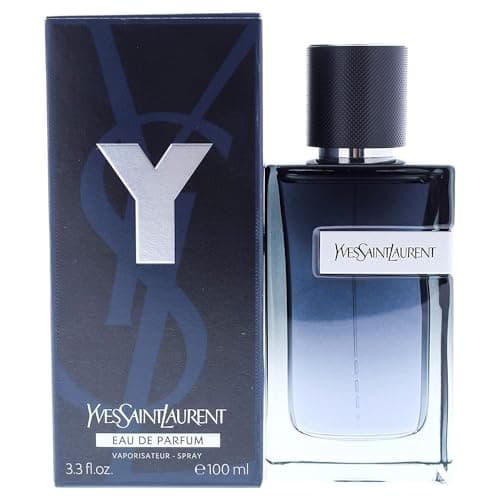
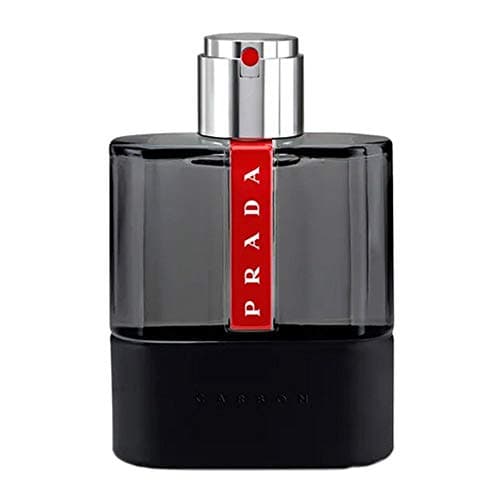
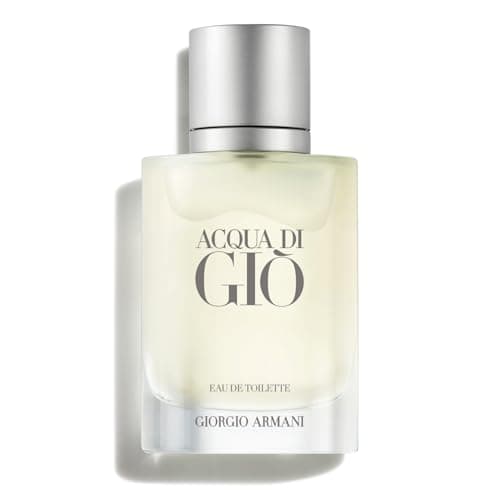
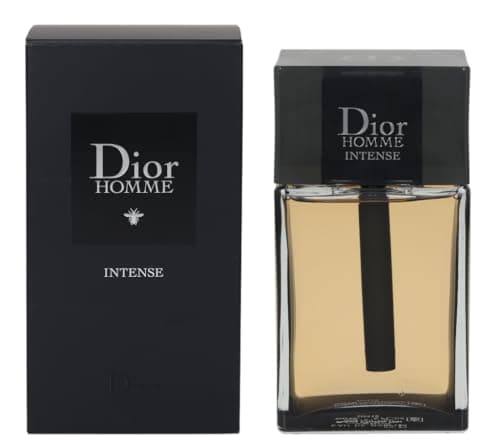
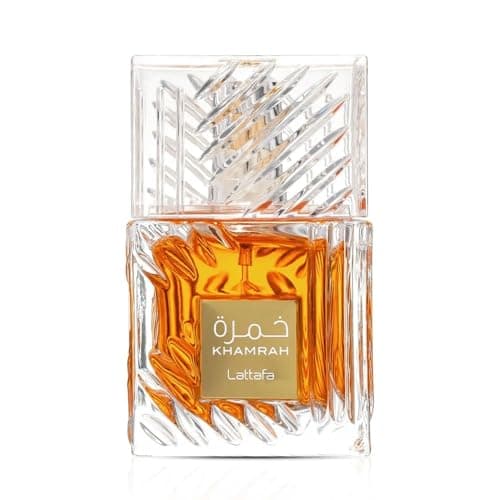
"Fresh" is the largest category in men's fragrance and the hardest to shop, because almost every bottle on the shelf claims it. What the word actually covers is three related ideas — citrus, aquatic and clean woody — and knowing which of the three you want narrows a hundred bottles down to about five.
What "fresh" actually means
A fresh fragrance is one built around materials that read as bright, transparent and cool: citrus oils, marine and ozonic accords, green herbs, light woods and clean musks. The family sits opposite the amber-and-gourmand end of the map — the full layout is in our fragrance families guide.
The practical consequence is that fresh fragrances are the easiest to wear and the hardest to be remembered for. They are office-safe, heat-friendly and almost never offensive, which is exactly why so many of them exist and why so few of them stand out.
The three kinds, and who each suits
Citrus-forward fragrances open bright and fade fastest; they are the best choice in real heat and the worst value if you judge a bottle by longevity. Aquatic fragrances use marine and ozonic materials for a cool, watery effect — the lane Acqua di Gio and Cool Water built. Clean woody fragrances keep the freshness up top and put cedar, vetiver or ambroxan underneath, which is why they last longest and why most modern "blue" bottles are built that way.
The trade-off nobody mentions
Fresh materials are volatile — that is what makes them smell bright — so a genuinely fresh fragrance is fighting its own chemistry to last. Bottles that solve it do so by planting a synthetic amber or musk underneath, which is why an all-day fresh scent usually stops smelling fresh after hour three and starts smelling clean-woody instead.
There is no way around that, only choices about it. If you want brightness, accept reapplication and read our longevity guide. If you want duration, buy one of the clean-woody picks and accept that the citrus part is a first-hour event. The bottles in our long-lasting ranking almost all sit at the woody end for exactly this reason.
Choosing a fresh fragrance
Buy for the temperature, not the season
Heat amplifies everything. A fresh fragrance that seems weak in a cool office will be perfectly present at 90°F, and a heavier one that works in October becomes suffocating in July. If most of your wearing happens somewhere hot, the citrus and aquatic picks are the ones to look at — our summer ranking takes that case apart properly.
Do not buy two of these
The single most common collection mistake is owning three fresh fragrances that smell like each other. If you already own a blue freshie, the useful next purchase is something from a different family entirely — a warm one for evenings and cold weather. Our how many colognes guide sets out the smallest wardrobe that actually covers a life.
Price buys polish, not freshness
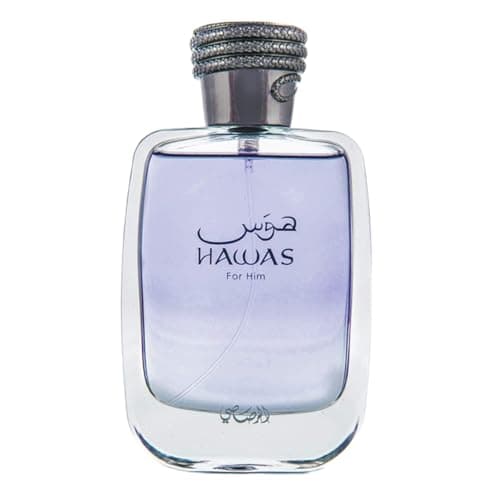
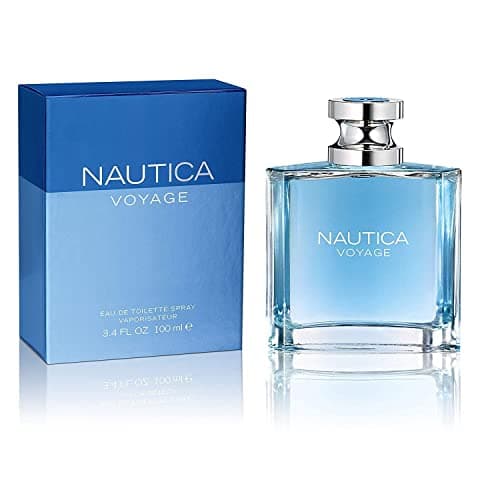
Rasasi Hawas at under $40 out-lasts several designers on this page, and Nautica Voyage at under $25 is genuinely pleasant. What the more expensive bottles buy is smoothness and blending — the sense that the fragrance is one thing rather than several. Whether that is worth four times the money is a real question, and our are dupes worth it piece answers it honestly.