Fragrance Guides · Fragrance Guides
How Many Sprays of Cologne Should You Use?
Two to four for most people, fewer than you think in an office, and never based on what you can still smell.
#ad— We're reader-supported. When you buy through links on this page we may earn an Amazon Associates commission, at no extra cost to you. It never changes a verdict — we routinely point you at the cheaper bottle. Full disclosure.
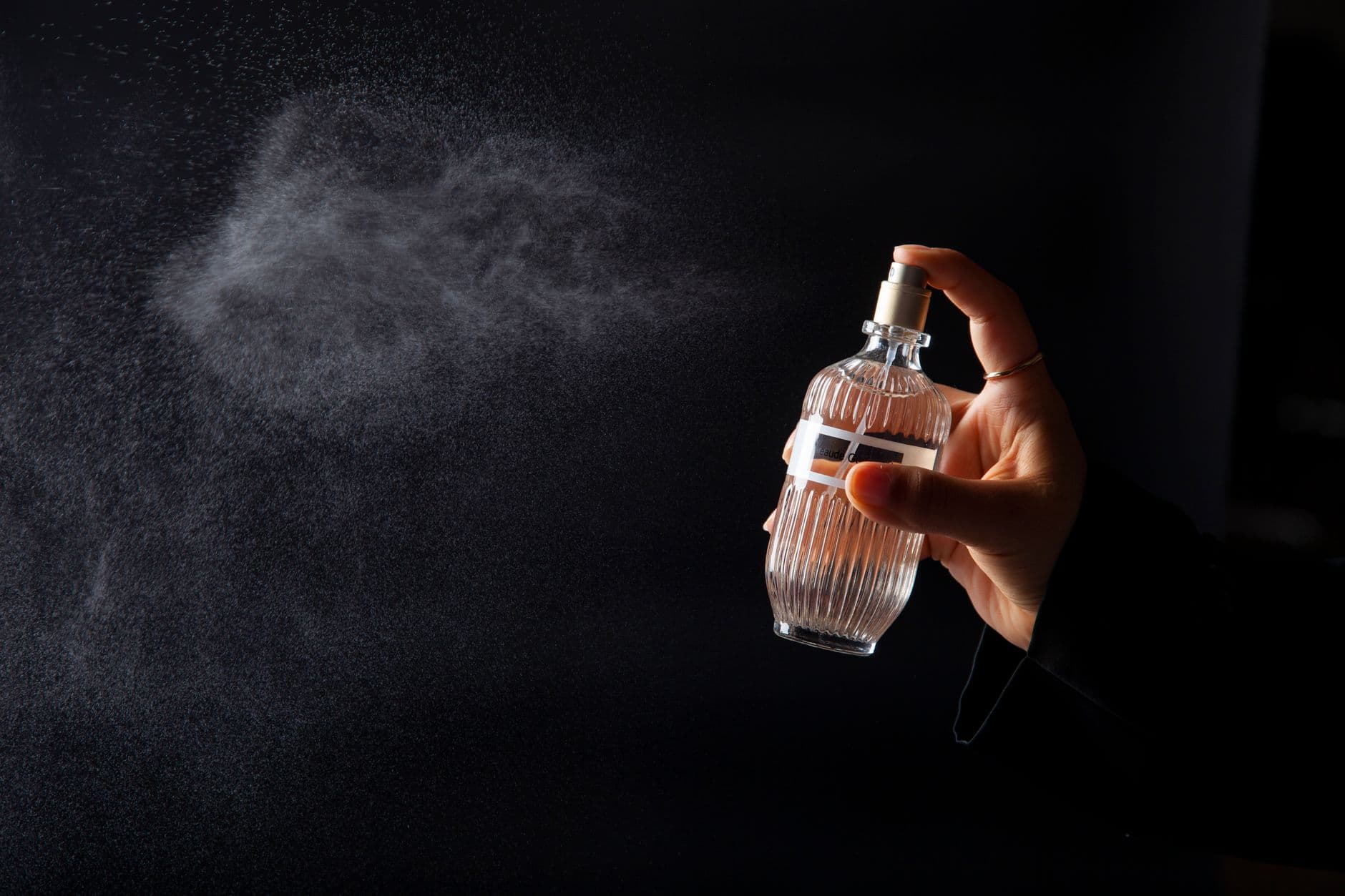
Two to four sprays covers almost every situation. Two for an office or anywhere enclosed, three or four for an evening out or a light eau de toilette in cold weather, and one for an interview or a small warm room. The rest of this page explains how to adjust that, and why the instinct to add one more spray is almost always wrong.
Adjust for concentration first
The strength in the bottle changes the maths more than anything else. A parfum or extrait at twenty percent oil is doing roughly four times the work per spray of an eau de toilette at five percent, so the same number of sprays produces a very different result. As a rough working guide: five to six sprays of an eau de cologne, three to four of an eau de toilette, two to three of an eau de parfum, and one to two of a parfum. The concentrations guide explains what each label means and why the ladder is less tidy than it looks.
Then adjust for the room
Office or classroom: two, maximum, and not on the neck. A shared enclosed space is the least forgiving environment there is, and "overpowering" is a reputation that sticks. Our office ranking covers which bottles suit it. Interview or small meeting room: one, or none. The downside of a scent someone dislikes is far larger than the upside of one they enjoy.
Evening out: three or four is reasonable — bars and restaurants are loud, busy and full of competing smells. Date: two, because a date happens at close range where projection stops helping. That logic is worked through in the date-night ranking. Gym: none.
And for the weather
Heat amplifies fragrance — warm skin evaporates the oils faster and pushes more of the scent into the air, so a summer fragrance needs about one spray fewer than the same bottle in January. Cold air does the reverse, muting a fragrance so thoroughly that people over-compensate, then walk into a heated room where it suddenly blooms at full strength. That specific mistake is why the winter ranking spends a section on spray count.
Where the sprays go
Warm pulse points, on skin: the base of the throat, the chest, behind the ears, the inner elbows. Spray from about a hand's width so you get a fine mist rather than a wet patch, and do not rub it in — the friction damages the top notes. If you are wearing something dense in a shared space, the chest under a shirt is the most considerate placement, because the fabric moderates the release. Full detail in the application guide.
The reason you keep adding one more
Olfactory fatigue. Within fifteen to thirty minutes your brain stops registering a constant smell, so your own fragrance seems to vanish while everyone around you still smells it clearly. This is the mechanism behind essentially every over-application story, and it is why the golden rule is: never decide how much to spray based on what you can smell. Count the sprays, trust the count, and if you genuinely need to know whether it is still working, ask someone or smell a sleeve rather than your own skin.
Does the bottle change the count?
Yes, and not only through concentration. Atomizers vary considerably — some designer sprayers deliver a fine wide mist while many budget bottles put out a coarse, wet, concentrated stream. Two sprays from a cheap atomizer can easily deposit more fragrance than three from a good one, which is part of why spray-count advice written for designer bottles misfires on the Arabian houses covered in our budget ranking.
Scent family matters too. A dense amber or gourmand carries much further per spray than a light citrus, so the same count produces very different results. The practical rule: start one spray lower than you think with anything warm, sweet or heavy, and give yourself ten minutes before deciding whether to add another — most of the time the answer becomes obvious on its own.
If you have already over-applied
Do not try to wash it off with soap and water in a hurry — you will mostly spread it. Unscented lotion or a little oil on a cloth lifts fragrance from skin more effectively, and changing the sprayed garment removes the biggest reservoir, since fabric holds base notes for days. Then simply wait: the loudest phase is the first hour, and most of the excess burns off with it.
The one-spray occasions
A few situations genuinely call for a single spray, or none: an interview, a small warm meeting room, a hospital, a flight. These are enclosed spaces with strangers who cannot move away from you, and some of them have formal scent policies. The specific case for interviews — including the bottles that suit one, and why wearing nothing is a legitimate answer — is in best cologne for a job interview, and the rules for flying are in flying with cologne.
Questions
Frequently asked
How many sprays of cologne should I use?
Two to four for most people and most situations. Two in an office or any enclosed shared space, three or four for an evening out or a lighter eau de toilette, and one for an interview or a small warm room. Adjust down for stronger concentrations — a parfum needs one or two where an eau de toilette needs three or four.
Is 5 sprays of cologne too much?
For an eau de parfum in an enclosed space, yes — noticeably. Five sprays is only reasonable for a very light eau de cologne, or a weak eau de toilette outdoors in cold weather. If you are reaching for a fifth spray because you cannot smell it any more, that is olfactory fatigue rather than the fragrance fading.
Why can't I smell my own cologne after a while?
Your brain filters out constant, unchanging smells within about fifteen to thirty minutes — a normal effect called olfactory fatigue. The fragrance is still there and other people can still smell it. Smelling a sleeve rather than your skin, or asking someone, is the reliable check.
Where should I spray cologne?
Warm pulse points on skin — the base of the throat, chest, behind the ears and inner elbows — from roughly a hand's width away. Avoid rubbing it in, which crushes the top notes. In a shared space, the chest under a shirt is the most considerate spot because the fabric slows the release.
More in Fragrance Guides
Keep exploring fragrance guides
Guide
How to Spot a Fake Cologne
The packaging, batch-code and scent checks that reliably separate real from fake.
Read the guide →
Guide
How to Pick Your First Cologne
A practical method for a first bottle: what to spend, what to ignore, what to avoid.
Read the guide →
Guide
How Many Colognes Do You Actually Need?
Why three bottles covers almost everyone, and why bigger collections go unworn.
Read the guide →
Keep reading
Related on Top Note Co
- How to Apply CologneThe full application method, step by step.
- How to Make Cologne Last LongerWhat genuinely extends wear time — and it is not more sprays.
- Best Office ColognesWhere spray discipline matters most.
- Best Colognes for the GymThe one place you should halve this number.
- EDT vs EDP vs ParfumWhy concentration changes the right number.
- Colognes Women Actually ComplimentWhy spray count beats bottle choice.
How we sourced this
Sources
Longevity, sillage and note data are compiled from published manufacturer information and aggregated public reviews, labeled as such — not our own lab measurements. Prices render live from Amazon.