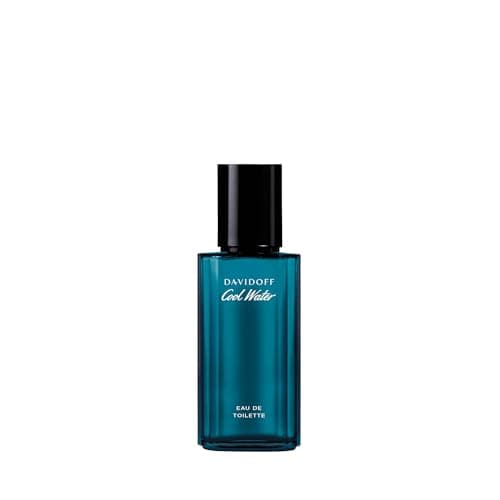
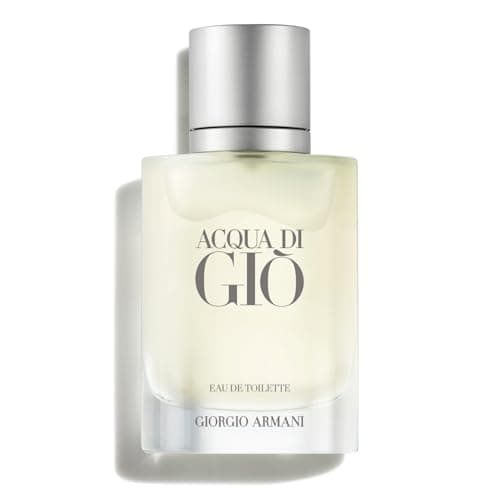
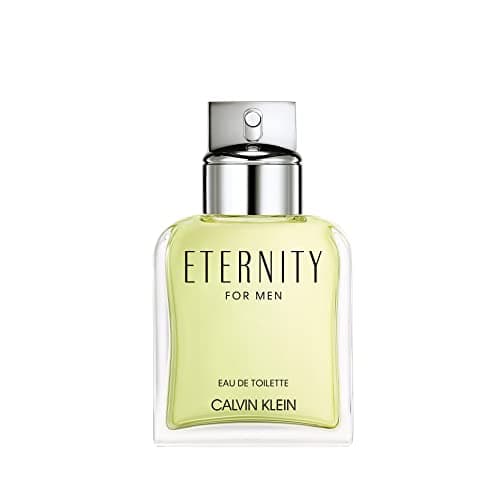
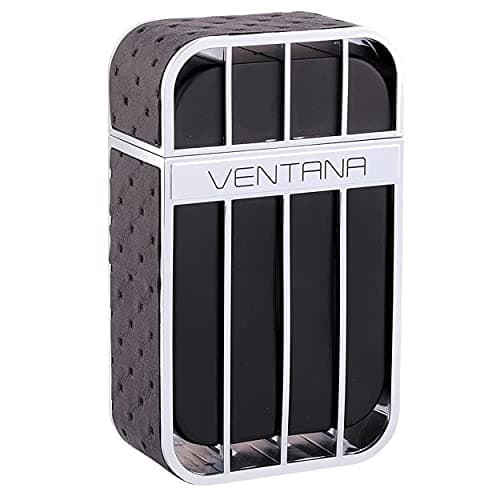
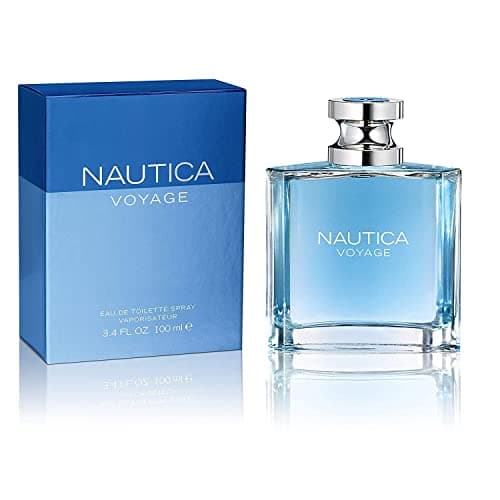
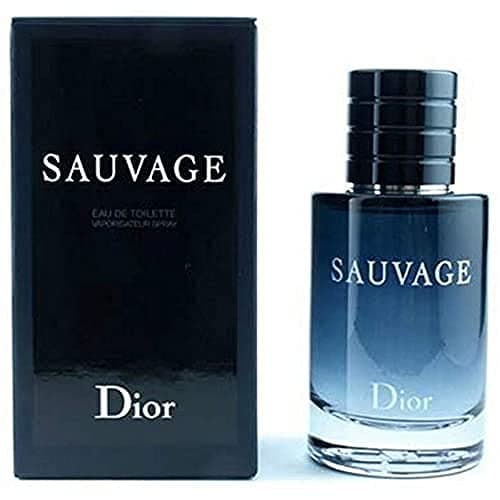
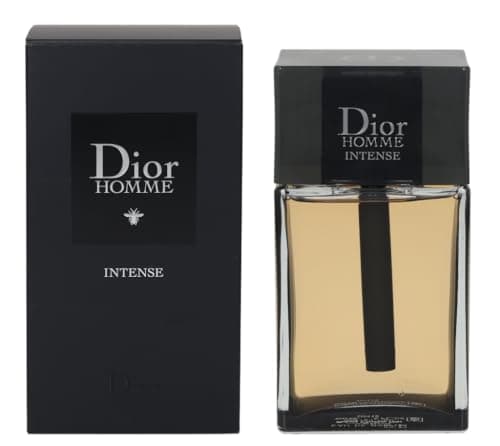
The gym is the one place where a fragrance's weaknesses become virtues. Modest longevity means it is gone before the drive home. Low projection means the person on the next rack never has to think about it. Cheap means you do not care that the bottle lives in a gym bag. Almost everything a "best cologne" list normally rewards is wrong here, which is why this ranking looks nothing like the flagship one.
Check the rules before you check the bottle
Start with an unglamorous point: plenty of gyms restrict or outright ban strong fragrance in shared spaces, and the ones that do not still have members with genuine sensitivities. General gym etiquette leans toward wearing no scent at all, and if your gym has a stated policy, that settles the question before any of the recommendations below matter. What follows assumes your gym permits fragrance and you want to smell clean rather than absent.
Why heat is the whole problem
Fragrance does not stay the size you applied it. Raised skin temperature and humidity accelerate evaporation, so a scent that sits politely at your desk expands into the room once you are twenty minutes into a session and sweating. That is the mechanism behind almost every complaint about cologne at the gym: the wearer applied a normal amount of a normal fragrance, and their own body heat turned it into something three times louder. The fix is not a different brand — it is a lighter fragrance and fewer sprays.
What actually works
Fresh citrus, aquatic and light aromatic scents are the consensus answer across the category, because they smell clean rather than perfumed and because they fade rather than festering as they warm up. Sweet gourmands, heavy ambers, ouds and anything described as a beast-mode performer are exactly wrong: they are built to survive and expand, which is the last thing you want in a room full of people breathing hard. If you own an oud or a winter gourmand, leave it at home.
How to wear fragrance at the gym without annoying anyone
Two sprays, and not on your workout shirt
One spray on the chest and one on the neck is the standard recommendation for shared fitness spaces, and it is genuinely enough — you are aiming for a scent bubble that arrives when someone is close, not a trail. Avoid spraying the shirt you are about to sweat through: fabric holds fragrance far longer than skin, so a sprayed shirt keeps projecting all session and then again out of the laundry basket. Our spray-count guide covers the general rule; halve it for the gym.
Apply after the shower, not before the session
The most considerate approach is to skip fragrance for the workout entirely and apply it after you shower, on the way out. You get the benefit for the rest of your day, nobody has to share it during the session, and you avoid the specific unpleasantness of cologne mixed with heavy sweat — which is a genuinely worse smell than either component alone.
Cheap is a feature, not a compromise
A gym bottle gets knocked around, left in hot cars and used more often than anything else you own. Heat is the main thing that degrades fragrance, so a bottle that lives in a bag will not age gracefully — which is a strong argument for the fifteen-to-thirty-dollar tier rather than your good bottle. The under-$50 list is full of suitable candidates, and shelf-life and storage explains what heat actually does to the juice.
Deodorant does most of this job already
Worth saying plainly, because it saves people money: the actual problem most people are solving at the gym is body odor, and that is a job for an antiperspirant, not a fragrance. Cologne on top of poor hygiene smells worse than either. If you shower and use a decent unscented antiperspirant, you are already fine — the fragrance is a small pleasant extra, which is exactly the scale it should be applied at. See cologne vs body spray for where each format actually belongs.
The fragrance is the last step, not the first
No bottle fixes a sweat problem, and most people trying to solve one with more sprays are skipping the step that would work. How to smell good all day sets out the washing, antiperspirant and fabric order underneath the fragrance, with the dermatology guidance behind it.