These are the two most-sold men's fragrances in the world, they come in similar blue bottles, and they are constantly recommended in the same breath — which has left a lot of people assuming they are variations on one idea. They are not. They are built on opposite principles, they suit different occasions, and the choice between them is genuinely easy once you know what actually separates them.
The short answer
Buy Sauvage if you want to be noticed: it is louder, sharper, more peppery, and built around ambroxan, a material engineered to project. Buy Bleu de Chanel if you want to smell polished: it is smoother, drier, more incense-and-cedar, and it sits closer to the skin. Sauvage is better for a night out and for anyone who wants their fragrance to do some of the talking. Bleu de Chanel is better for work, for anything formal, and for anyone over about thirty who wants to smell composed rather than emphatic.
What is actually in each one
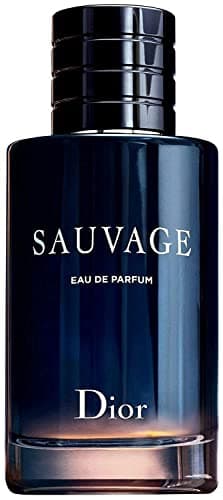
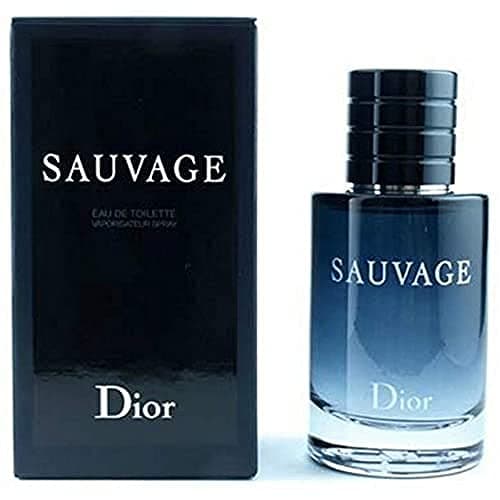
Sauvage opens on bergamot and Sichuan pepper and then hands almost everything over to ambroxan — a synthetic amber material with unusual radiance and staying power. That single ingredient choice is why Sauvage projects the way it does, and also why critics call it simple: there is not a lot of development, because the point is a big clean signature that lasts all day rather than an evolving composition.
Bleu de Chanel is doing something more traditional. It moves from citrus through a woody-aromatic heart into a dry cedar-and-incense base, and it actually changes over a wear in a way Sauvage largely does not. That smoothness is the hard part to copy, which is why the budget alternatives in our Bleu de Chanel dupes comparison get the shape right and the polish wrong.
The versions problem — this is where people go wrong
Both fragrances exist in several concentrations that are genuinely different scents, and most arguments about them are really arguments between people wearing different versions. Sauvage comes as an EDT, an EDP and an Elixir, each progressively sweeter and denser. Bleu de Chanel comes as EDT, EDP and Parfum, the Parfum being the smoothest and least sharp of the three. A review of the Sauvage EDT tells you very little about the Elixir. The concentrations guide explains what the labels legally mean.
Why the buy button here points where it does
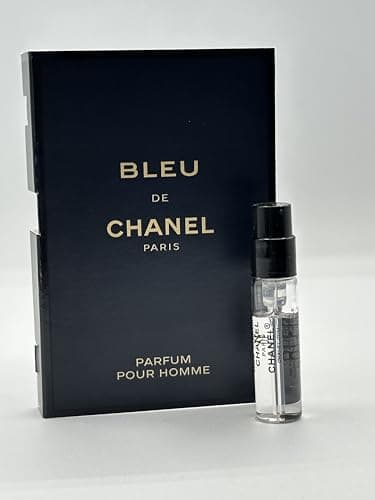
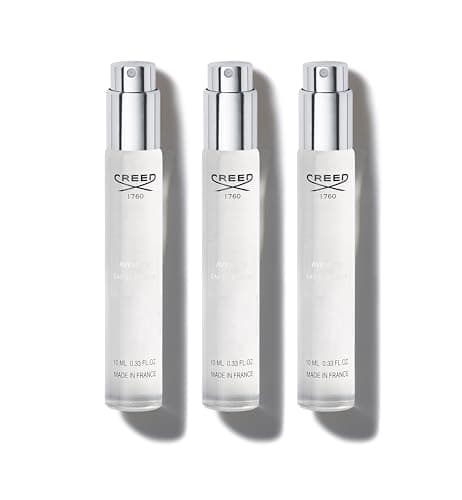
You will notice the Bleu de Chanel row above links to a genuine sample vial rather than a discounted full bottle. That is deliberate and it is a standing rule on this site. Chanel controls its distribution tightly, so a "full size" Bleu de Chanel listed well below counter price from an unknown marketplace seller is very often a counterfeit. Sample the real thing cheaply, then buy the full bottle at a counter. Sauvage is far more widely and legitimately distributed, so a normal listing is a normal buy. Our where to buy guide covers the red flags in detail.
Choosing between them
Match the fragrance to the room
If most of your wearing happens at work, in meetings, or anywhere formal, Bleu de Chanel is the better buy and it is not close — it is quieter, drier and reads as more considered. If most of your wearing happens in the evening, at bars, or anywhere loud, Sauvage's projection stops being a liability and becomes the reason to own it. Our office ranking and date-night ranking take those two briefs apart properly.
Consider how common each one is
Both are extremely widely worn, but Sauvage is in a category of its own — it has been the best-selling men's fragrance globally for years, and you will smell it on other people regularly. Bleu de Chanel is common too but skews slightly older and slightly more formal, so it turns up less often in any given room. If smelling distinctive matters to you, neither is the answer and the designer vs niche comparison is a better place to start.
The budget route, honestly
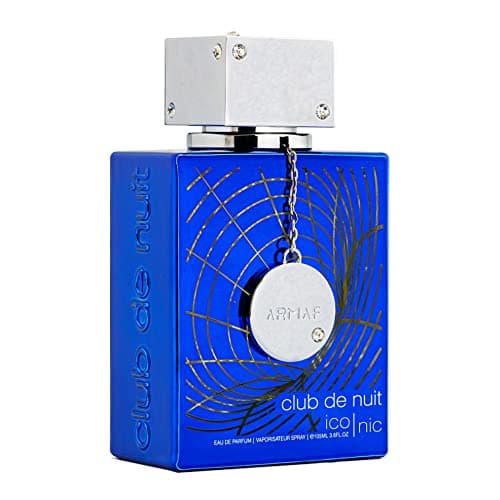
Both have credible cheap alternatives, and they are not equally good. Sauvage clones the better of the two: Armaf Ventana and Club de Nuit Urban Man Elixir both get genuinely close, because ambroxan-driven freshness is relatively easy to reproduce. Bleu de Chanel clones consistently miss, because what people are buying is the smoothness rather than the notes. Full detail in the Sauvage dupe comparison.
If you can only own one
Bleu de Chanel, for most adults. It covers more occasions, it is harder to over-apply into something obnoxious, and it will not date as quickly. Sauvage is the better second bottle — the one you reach for when the evening calls for something with more force behind it.