Ambroxan is a synthetic perfumery material used in place of ambergris, the rare substance that comes from the digestive system of sperm whales. It was first created in 1950 and is marketed by Firmenich under the trade name Ambrox; Henkel registered the name Ambroxan as a trademark in 1982. It smells dry, woody-amber and faintly salty or mineral, it lasts an extremely long time, and it is in a very large share of the men's fragrances released in the last fifteen years — including the best-selling one on earth.
Where it comes from
Ambergris is produced in the gut of the sperm whale and has been prized in perfumery for centuries, trading at thousands of dollars per pound. The sperm whale is an endangered species, which pushed the industry toward synthetic alternatives decades ago.
Ambroxan is the most successful of those alternatives. It is made from sclareol, a compound found in the essential oil of clary sage: the sclareol is oxidatively degraded to a lactone, hydrogenated to a diol, and dehydrated to give the finished material. Clary sage produces sclareol only in small quantities and it is awkward to purify, so Firmenich researchers isolated the clary sage DNA responsible for the two enzymes involved and used genetically modified E. coli to produce sclareol in bioreactors instead — which is why a material that was once scarce is now cheap enough to use by the handful.
What it actually smells like
On its own: dry, woody-amber, with salty, musky and mineral undertones. Not sweet, not resinous, not the warm vanilla-amber most people picture when they read "amber" on a note list. Closer to clean warm skin, or sea air on stone.
In a finished fragrance it rarely announces itself as a note. What it does is sit under everything else as a base and a fixative, extending wear time and creating the radiant, slightly abstract warmth that reads as "modern" and "expensive". The clearest demonstration is Escentric Molecules' Molecule 02, which is essentially ambroxan and nothing else.
Why it is in everything
Three reasons, and only one of them is aesthetic. It performs: ambroxan is a fixative and a base note, so it keeps a fragrance detectable for many hours longer than its top notes would manage alone. It is cheap and reliably available, with consistent quality between batches, which natural ambergris never was. And it is flattering on almost everybody, which makes it the safest possible bet for a mass-market release.
The result is a counter where a great many fresh and woody fragrances share the same foundation. That is the real complaint behind "they all smell the same now" — not laziness in the top notes, but a common base. It is also why the inexpensive clone market is so convincing in this particular lane: copying an ambroxan-driven fragrance is much easier than copying one built on complex naturals, which is a point we make in are dupes worth it.
How to tell whether you like it — and what to look for
Before the picks below, this is the part worth knowing, because it decides which of them you should buy.
Check the base, not the top
Note lists bury it. Look for ambroxan, Ambrox, ambroxide, ambergris, "amber accord" or "woody amber" in the base notes. If the listing names ambroxan and little else warm, the fragrance is probably built on it. Our notes explained guide covers how to read a pyramid without being misled by it.
Smell it at hour four, not on the card
Ambroxan is a base material, so a shop card tells you almost nothing about it. The honest test is to wear a fragrance for four to six hours and smell what is left. If what remains is a clean, dry, slightly salty warmth sitting close to the skin, you are smelling ambroxan, and your reaction to it at that point is the reaction that matters. The method is in how to test cologne.
Know the specific complaint
A minority of people find high-dose ambroxan harsh, metallic or headache-inducing, and describe it as smelling synthetic or "chemical". If that is you, this is useful information rather than a flaw in your nose: it rules out a substantial part of the modern fresh counter and points you toward classic fougères, citrus colognes and the Arabian amber-and-oud lane instead. See why cologne gives you a headache and best oud fragrances.
Use fewer sprays than you think
Ambroxan-heavy fragrances project hard and last long, and the standard mistake is dosing them like a light citrus EDT. Two sprays of an ambroxan-driven EDP is a normal dose; four is why someone across the office knows what you are wearing. See how many sprays to use.
Three bottles built on it
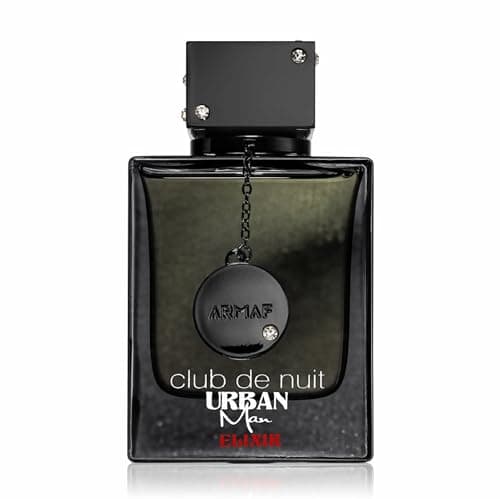
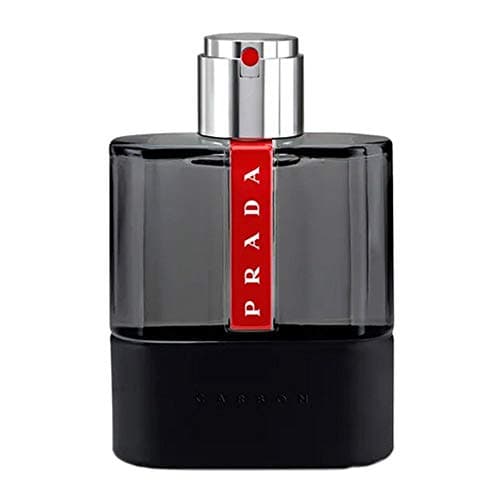
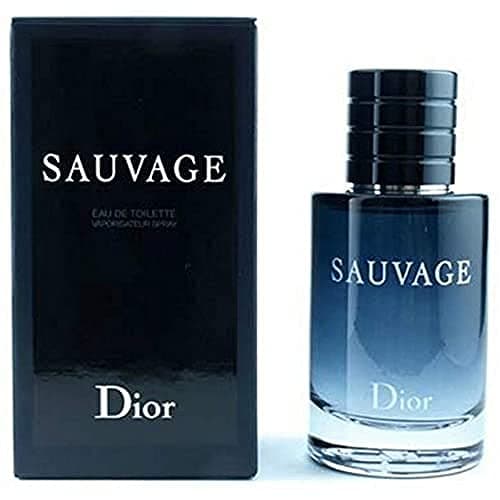
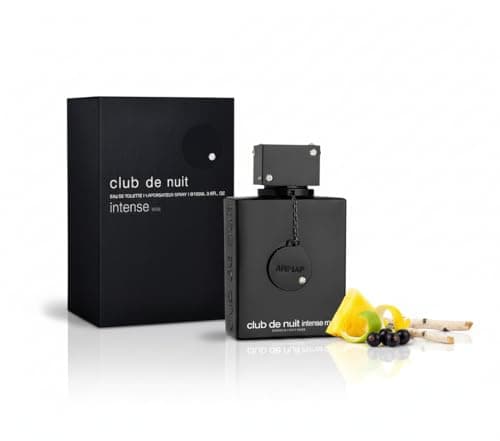
All three below are existing picks from our catalog, chosen because ambroxan is explicitly central to each one rather than incidental. They cover the three ways it gets used: as the whole point, as the cheap clone of the whole point, and as a quiet background in something more composed.
If ambroxan is not for you
The families that use least of it
Classic citrus colognes, green fougères, true gourmands and the Arabian oud-and-amber tradition all predate the ambroxan era and largely sit outside it. If the modern fresh counter has been leaving you cold, those are the places to look — start with fragrance families to find the lane, then best woody colognes or best leather colognes for bottles with a different foundation.
Concentration changes the dose, not the material
Going from an EDT to an EDP will usually give you more ambroxan, not less, because the base is where the extra concentration lands. If a fragrance's dry-down is the part you dislike, a stronger version of it is the wrong purchase. The concentrations guide explains what the labels do and do not tell you.
Sample before you conclude anything
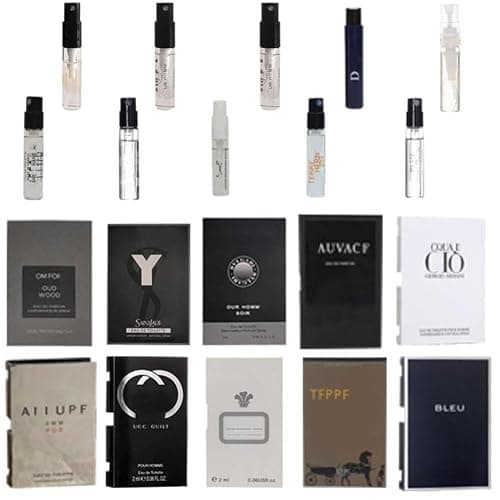
Skin chemistry genuinely changes how a woody-amber base reads — it is one of the materials people most often describe differently from each other. Wear a few milliliters for a full day before deciding you have an ambroxan problem; a sampler set will contain several ambroxan-driven bottles, which makes it an efficient way to find out. See also why cologne smells different on you.