Fragrance Guides · Fragrance Guides
Cologne vs Body Spray, Aftershave and Deodorant
Four products, four different jobs, and a lot of money wasted on the wrong one.
#ad— We're reader-supported. When you buy through links on this page we may earn an Amazon Associates commission, at no extra cost to you. It never changes a verdict — we routinely point you at the cheaper bottle. Full disclosure.
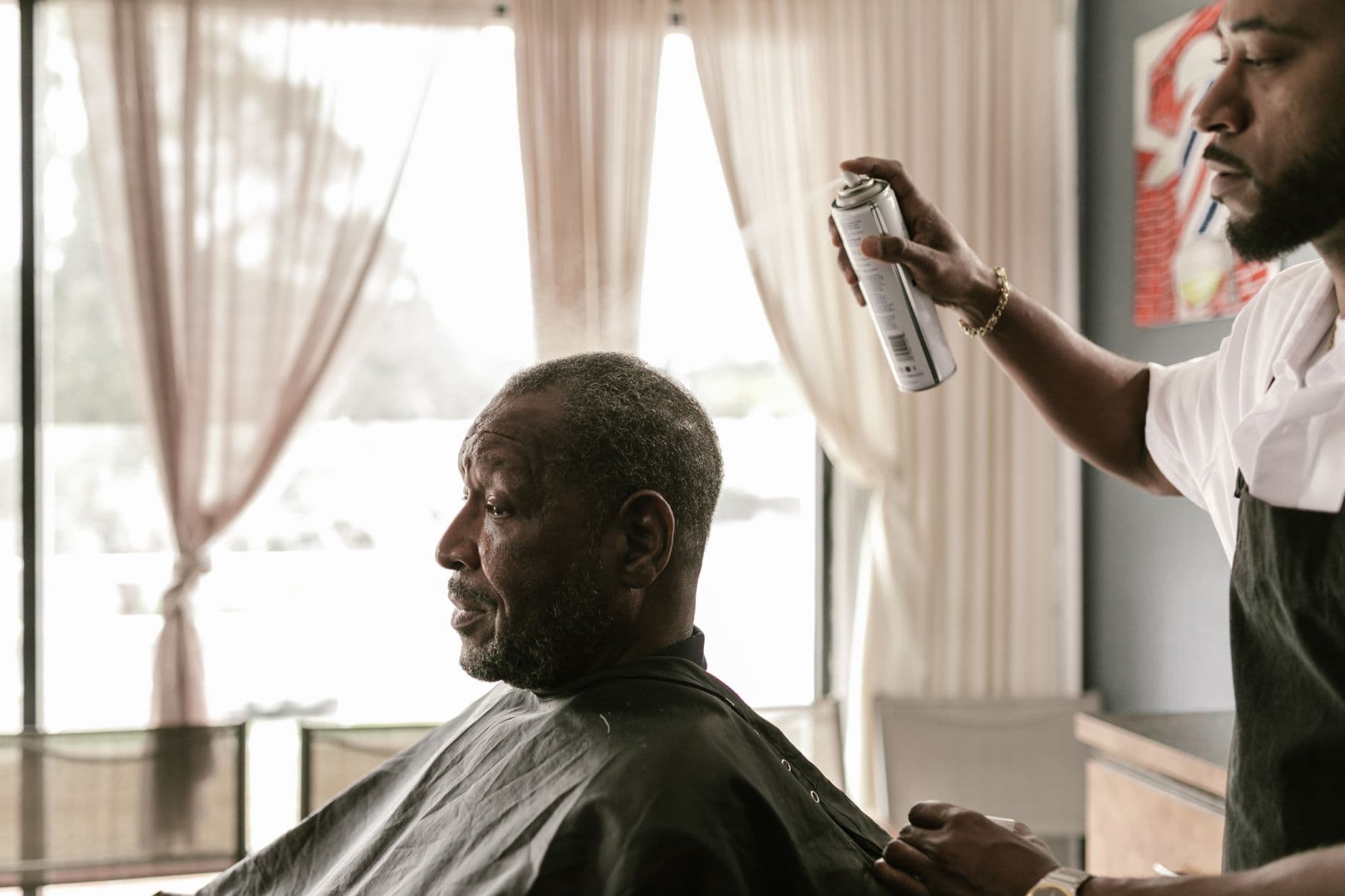
The short version: cologne is a fragrance, body spray is a heavily diluted fragrance in an aerosol, aftershave is a post-shave skin treatment that happens to be scented, and deodorant is an odor-control product. They are not different strengths of one thing — they are four products with four different jobs, and buying the wrong one is the most common beginner mistake there is.
Cologne
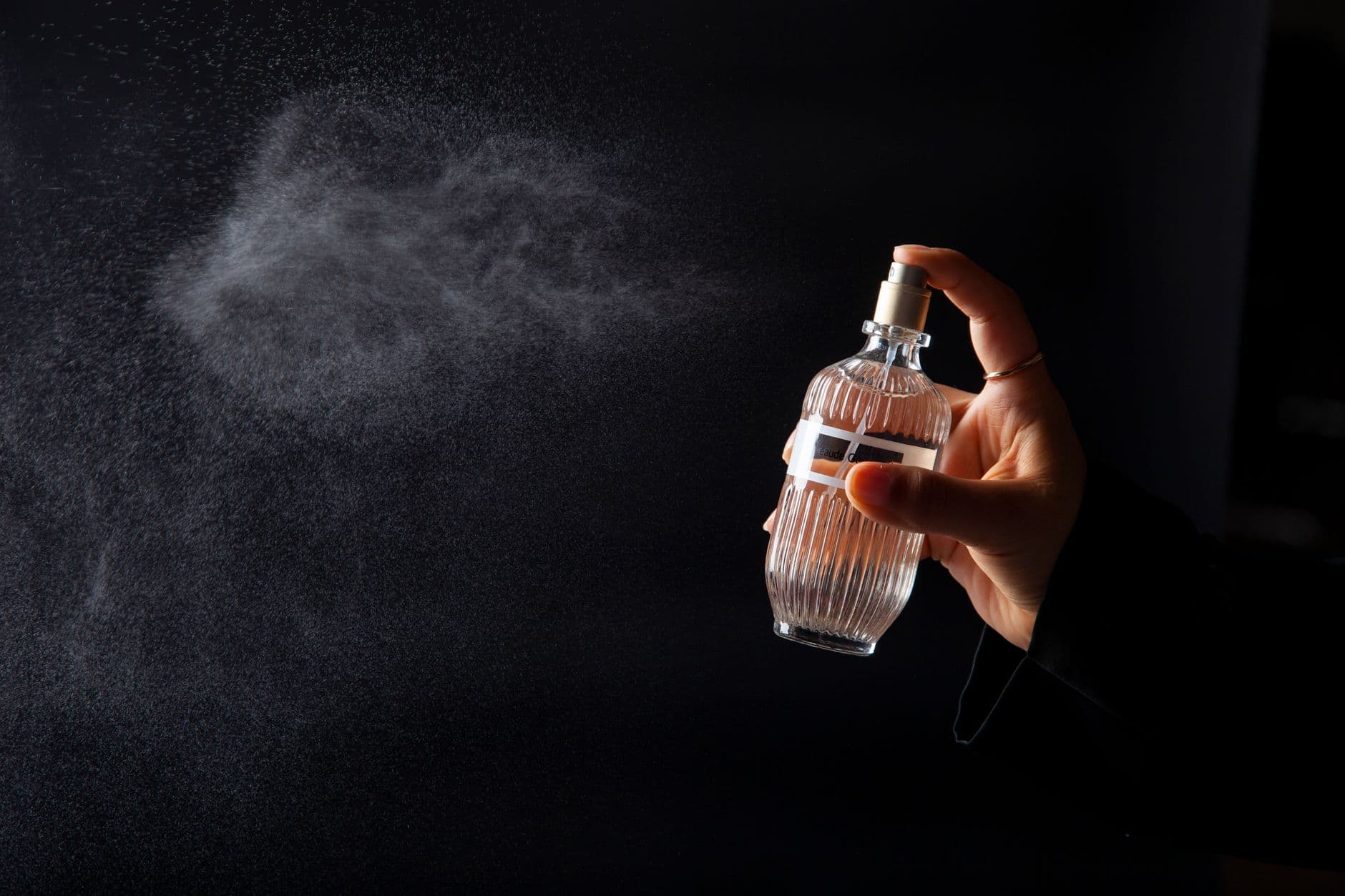
In everyday English, "cologne" means a men's fragrance. In technical terms it means something narrower — eau de cologne, the lightest concentration on the ladder at roughly two to four percent fragrance oil. Almost nothing sold as men's cologne today is actually eau de cologne; most is eau de toilette or eau de parfum at five to twenty percent. Our cologne vs perfume guide explains why the word drifted, and the concentrations guide covers the full ladder.
What matters practically: a real fragrance is applied in one or two sprays, lasts several hours, develops over a wear, and costs anywhere from twenty dollars to several hundred. It is the only product on this page designed to be a scent rather than to do something else.
Body spray
An aerosol body spray is a very dilute fragrance — typically around one to three percent oil, well below even eau de cologne — designed to be sprayed liberally over the torso rather than dabbed on pulse points. That is why a can empties in weeks, why it needs constant reapplication, and why it rarely develops into anything past its opening.
The economics are worse than they look. A can costs less than a bottle of cheap eau de toilette but delivers a fraction of the wear time, so cost per hour of actually smelling good is considerably higher. For a teenager working out how much to apply, a ten-dollar EDT from our teen ranking is both cheaper over a year and a genuinely better smell.
Aftershave
Aftershave is a skincare product. Its job is to soothe and disinfect skin immediately after shaving, which is why traditional formulas contain alcohol or witch hazel and why they sting. Most are scented, and some are scented well, but the fragrance is a side effect of the product rather than its purpose — the concentration is low and it fades within an hour or two.
The confusion here is partly linguistic: in British English "aftershave" is often used loosely to mean any men's fragrance. If someone recommends an aftershave and means a bottle costing eighty dollars, they mean a cologne. If it is in a splash bottle next to the razors, it is skincare.
Where "eau de cologne" still exists properly
Worth noting because it explains the naming: true eau de cologne is a real, living category, not just a historical footnote. It is a light citrus-herbal style, traditionally splashed on generously and reapplied through the day, and it is still made in Europe much as it was two centuries ago. If you ever buy a large bottle of something labeled genuinely as eau de cologne and find it gone in ninety minutes, nothing is wrong with it — that is the format working as intended.
Deodorant and antiperspirant
Deodorant controls odor by targeting the bacteria that cause it. Antiperspirant reduces sweating itself, usually with aluminum salts. Neither is a fragrance, both go in the armpit only, and both are doing hygiene work that no cologne can do — fragrance sits on top of body odor rather than replacing it.
One genuinely useful note: a strongly scented deodorant will clash with a fragrance, and the clash usually wins. If you wear cologne regularly, an unscented or lightly scented antiperspirant is the better pairing.
The order to put them on
If you use several of these, sequence matters more than people expect. Shower, then antiperspirant on dry skin, then aftershave only on the area you actually shaved, then fragrance last, on warm pulse points away from the armpit. Applying fragrance before deodorant means the deodorant scent sits on top of it, and applying aftershave over a fresh spray of cologne simply strips it.
The other common error is doubling up on scent without noticing. A scented body wash, a scented deodorant and a fragrance are three competing smells, and the result is usually muddled rather than layered. Keeping the first two neutral is the easiest single upgrade to how a fragrance reads on you.
Which should you buy?
Deodorant is not optional — that is hygiene, and every other product on this page assumes it. Aftershave is worth having if you wet shave and your skin needs it. Between cologne and body spray, cologne wins on almost every measure that matters: it lasts longer, smells better, develops properly, and works out cheaper per wear. Body spray's only real advantages are that it is cheap up front and permitted in some places where aerosol restrictions do not apply.
If budget is the constraint, that is a solved problem now — the sub-thirty bottles in our under-$50 ranking outperform any body spray on the market by a wide margin.
Questions
Frequently asked
What is the difference between cologne and body spray?
Concentration and intent. Cologne, as the word is used today, means a real fragrance at roughly five to twenty percent oil, applied in one or two sprays to pulse points and lasting several hours. Body spray is a much more dilute aerosol — often one to three percent — meant to be sprayed liberally over the torso and reapplied often. Cologne lasts longer, develops properly, and works out cheaper per wear.
Is aftershave the same as cologne?
No. Aftershave is a skincare product for soothing and disinfecting skin after shaving; the scent is incidental and fades within an hour or two. Cologne is a fragrance. The confusion is partly linguistic — in British English "aftershave" is often used loosely to mean any men's fragrance.
Can I use deodorant and cologne together?
Yes, and you should — deodorant is hygiene and cologne cannot replace it. The only caution is that a strongly scented deodorant will clash with your fragrance and usually overpower it at close range. An unscented or lightly scented antiperspirant is the better pairing.
Is body spray bad?
Not bad, just weak and expensive for what it does. The real argument against it is that a cheap real fragrance now costs about the same up front, lasts several times longer, and smells considerably better — so the case for an aerosol has largely disappeared.
More in Fragrance Guides
Keep exploring fragrance guides
Guide
How Many Sprays of Cologne Should You Use?
The right spray count by concentration, season and occasion — and the trap that causes over-applying.
Read the guide →
Guide
How to Spot a Fake Cologne
The packaging, batch-code and scent checks that reliably separate real from fake.
Read the guide →
Guide
How to Pick Your First Cologne
A practical method for a first bottle: what to spend, what to ignore, what to avoid.
Read the guide →
Keep reading
Related on Top Note Co
- Cologne vs PerfumeWhy the word cologne means two different things.
- EDT vs EDP vs ParfumThe full concentration ladder in plain English.
- Best Colognes for Teen BoysThe cheap real fragrances that beat any body spray.
- Best Cologne Under $50How little a genuinely good bottle now costs.
- Cologne vs AftershaveWhere aftershave sits on the concentration ladder.
- Cologne vs DeodorantWhy fragrance cannot do a deodorant's job.
How we sourced this
Sources
Longevity, sillage and note data are compiled from published manufacturer information and aggregated public reviews, labeled as such — not our own lab measurements. Prices render live from Amazon.