Fragrance Guides · Fragrance Guides
Cologne vs Deodorant: What Each One Does
One controls how you smell when things go wrong. The other decides how you smell when everything goes right. They are not substitutes and the order matters.
#ad— We're reader-supported. When you buy through links on this page we may earn an Amazon Associates commission, at no extra cost to you. It never changes a verdict — we routinely point you at the cheaper bottle. Full disclosure.
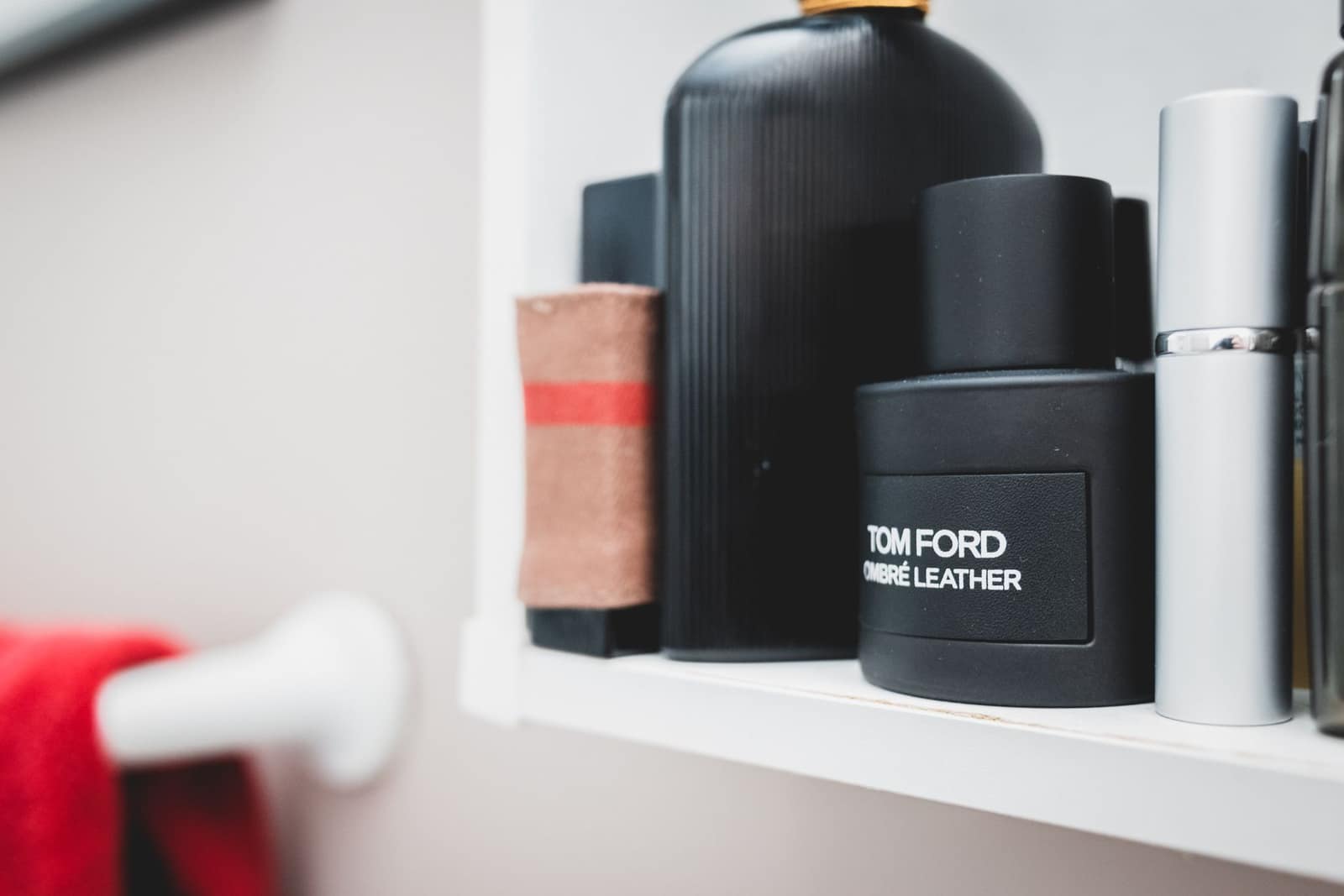
Deodorant targets the bacteria that turn sweat into body odor. Antiperspirant reduces the sweat itself, using aluminum-based salts that temporarily block the sweat ducts. Cologne does neither — it is a fragrance layered on top, and it has no effect whatsoever on odor-causing bacteria. If you are using cologne instead of deodorant, you are solving the wrong problem loudly.
Why cologne cannot cover body odor
Sweat itself is close to odorless. The smell comes from skin bacteria breaking down the compounds in sweat from the apocrine glands, concentrated in the underarms. Deodorant works by making that environment inhospitable — usually with antibacterial agents — or by masking the result.
Fragrance does not interrupt any part of that process. Spraying cologne over body odor produces both smells at once, and the combination is significantly worse than either alone: a warm, sweet fragrance sitting on top of stale sweat is one of the most unpleasant things a person can smell in a lift. This is not a matter of using more cologne. It is a matter of using the correct product first.
Deodorant or antiperspirant?
| Product | What it does | Use it if |
|---|---|---|
| Deodorant | Reduces odor-causing bacteria; masks smell | You sweat normally but want to control smell |
| Antiperspirant | Reduces the volume of sweat produced | Sweat itself is the problem — marks, damp shirts |
| Cologne | Adds a fragrance; no effect on odor or sweat | The first two are handled and you want to smell good |
Many products combine the first two. None of them replaces the third, and the third replaces neither of the first two.
The order to apply them in
Shower, dry properly, apply deodorant or antiperspirant to clean dry underarms, dress, then apply fragrance to the chest, neck or shoulders. Do not spray cologne into your armpits: the skin there is thin and often freshly shaved, the alcohol stings, and the fragrance will fight your deodorant rather than complement it.
Where to spray and how much is a subject of its own — our application guide and spray-count guide cover the placement and the dose, which between them fix most fragrance complaints.
If the problem is the smell, not the fragrance
Three things move the needle more than any product on this page. Wash daily and dry properly, especially in the folds where bacteria live — damp skin is the whole mechanism. Wash your clothes more often than you think: synthetic fabrics hold odor compounds far more stubbornly than cotton or wool, which is why a technical gym shirt can smell stale after one wear and a cotton one does not. And shave or trim underarm hair if odor is a persistent problem, since hair increases the surface area bacteria have to work with.
If sweat itself is genuinely excessive — soaking through clothes, dripping without exertion, interfering with daily life — that is a medical question rather than a grooming one. It has a name (hyperhidrosis), clinical-strength antiperspirants exist for it, and a clinician is the right person to ask. No fragrance recommendation on this site is a substitute for that conversation, and we are not going to pretend otherwise.
Scented deodorant and fragrance clash
This is the practical problem almost nobody thinks about. A strongly scented deodorant is a fragrance, and it is sitting six inches from where you sprayed your cologne. Two unrelated scents at that distance do not layer, they argue.
The fix is unscented or lightly scented antiperspirant, which lets whatever you actually chose to wear come through cleanly. If you like the idea of combining scents deliberately rather than by accident, that is a real technique with real rules — see our layering guide.
The gym case
Worth stating plainly: fragrance is not a substitute for washing, and the gym is where people get this wrong most often. Antiperspirant before training, a shower after, and fragrance only once you are clean. Many gyms also ask members not to wear strong scent at all. Our gym guide covers the etiquette and the light fragrances that work if yours permits it.
Questions
Frequently asked
Can cologne replace deodorant?
No. Cologne adds a scent but does nothing about the bacteria that cause body odor or the sweat that feeds them. Layering fragrance over body odor produces both smells at once, which is worse than either on its own. Use deodorant or antiperspirant first, then fragrance.
What is the difference between deodorant and antiperspirant?
Deodorant targets the odor by reducing the bacteria that produce it. Antiperspirant reduces the sweat itself using aluminum-based salts that temporarily block sweat ducts. Many products do both; the label will say which.
Can you spray cologne under your arms?
You can, but do not. The skin is thin and often freshly shaved, so alcohol stings, and the fragrance clashes with your deodorant instead of complementing it. Chest, neck and shoulders are the right places.
Should deodorant and cologne match?
They should not fight. The simplest approach is an unscented or lightly scented antiperspirant so your fragrance comes through cleanly. Matching sets from the same line work too — the failure case is two unrelated strong scents six inches apart.
More in Fragrance Guides
Keep exploring fragrance guides
Guide
How to Layer Fragrances Properly
The base-plus-accent rule, which combinations work, and why most layering fails.
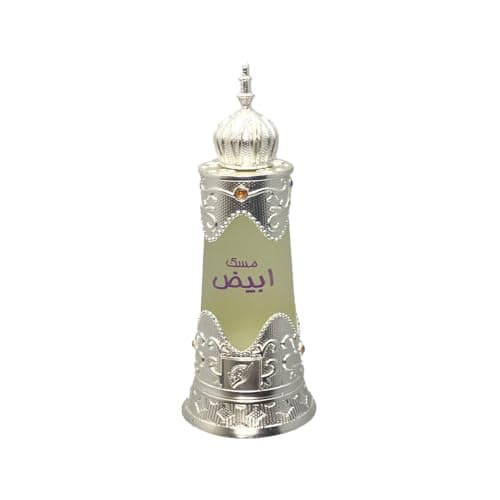
Top pick: Afnan Musk Abiyad Concentrated Perfume Oil (20 ml)
Guide
How to Test Cologne Properly
Strips versus skin, how many to try at once, and why the coffee beans are theater.
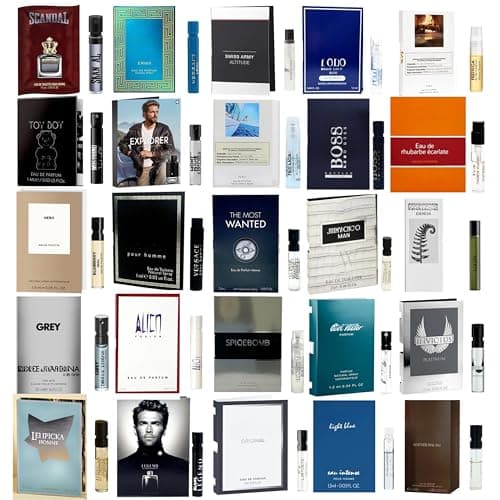
Top pick: Infinite Scents Cologne Samples — 12 Brands
Guide
Sillage vs Projection vs Longevity
What sillage, projection and longevity each measure — and why a 24-hour fragrance can still be invisible.
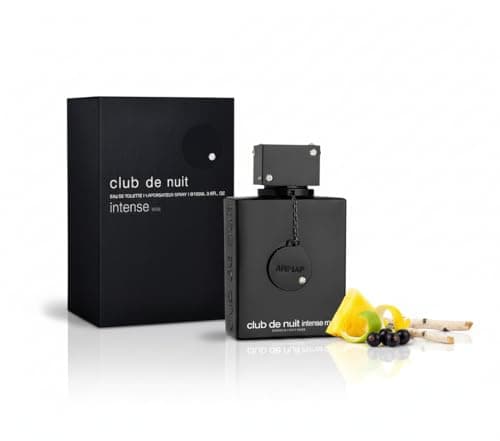
Top pick: Armaf Club de Nuit Intense Man
Keep reading
Related on Top Note Co
- How to Apply CologneWhere to spray, once the basics are handled.
- How Many Sprays of Cologne?The dose that fixes most complaints.
- Cologne vs AftershaveThe other product people expect fragrance to replace.
- Cologne vs Body SprayThe third product in this confusion.
- Best Colognes for the GymWhere this question comes up most.
- Best Office ColognesSmelling clean in a shared room, properly.
How we sourced this
Sources
Longevity, sillage and note data are compiled from published manufacturer information and aggregated public reviews, labeled as such — not our own lab measurements. Prices render live from Amazon.