Skip to content
Top NoteCo

Fragrance Guides · Fragrance Guides

How to Layer Fragrances Properly

Combining two fragrances can produce something better than either. It usually does not. Here is the difference between the two outcomes.

By Stephen V., Editor, Top Note CoLast updated How we pick

#ad— We're reader-supported. When you buy through links on this page we may earn an Amazon Associates commission, at no extra cost to you. It never changes a verdict — we routinely point you at the cheaper bottle. Full disclosure.

How to Layer Fragrances Properly

Fragrance layering means wearing two or more scents at once so they combine into something neither is alone. Done with a plan it is a genuinely useful technique — it fixes weak performance, softens a harsh opening and gives you a combination nobody else is wearing. Done at random it produces a muddle that smells cheaper than either bottle you started with.

The one rule that makes layering work

One fragrance is the base and the other is the accent. The base should be simple, soft and broad — a musk, a light vanilla, a clean amber, a plain sandalwood. The accent is the one with character, and it goes on second and in a smaller quantity.

Layering fails when two complicated fragrances are applied at equal strength. Both are already balanced compositions with their own tops, hearts and bases; put them together at full volume and you get eight competing notes with no structure, which is exactly what "it smells like a department store" means. If you have not read our notes guide, it explains why a fragrance is a structure rather than a smell.

Combinations that reliably work

  • White musk + anything. A plain musk is the most forgiving base in fragrance. It adds body and a clean skin-like warmth without arguing with what goes on top.
  • Vanilla or amber + a fresh citrus. The warmth underneath gives a short-lived citrus something to hold onto, which is the classic fix for a fragrance that vanishes in an hour.
  • Same-family pairs. Two woods, or two ambers, from different bottles usually blend rather than fight, because they are already speaking the same language.
  • Brand-matched sets. Body wash, deodorant and fragrance from the same line are formulated to sit together, which is the one case where layering requires no thought at all.

Combinations that reliably fail

  • Two loud gourmands.Sweetness stacks. Two sweet fragrances at two sprays each is four sprays of sugar, and your nose will adapt to it long before anyone else's does.
  • Fresh aquatic + heavy oud. These are opposite ends of the family map and the result reads as confusion rather than contrast.
  • Anything + a strongly scented deodorant. The most common accidental layering, and the reason a good fragrance sometimes smells wrong on you — covered in our cologne vs deodorant guide.

How to actually do it

Apply the base first and give it two or three minutes to settle. Apply the accent second, at roughly half the number of sprays. Keep them close together on the body — layering only works where the two scents share air, so opposite wrists is not layering, it is two fragrances.

Test the combination on a strip of skin, not on your whole chest, and wear it for an afternoon before committing to it for an evening. Your nose goes blind to your own fragrance within minutes, so the only honest test is time and, if you can get it, a second opinion.

Why oils make the best layering bases

Alcohol-free concentrated perfume oils are the most useful layering tool most people have never tried. They are dense, they sit close to the skin, they last for hours, and because they do not have an alcohol blast they do not fight the opening of whatever you spray over them. A plain white musk oil under a fragrance you find too sharp is the single most effective fix in this entire guide.

The three picks below are the ones we would start with: a neutral white musk as a universal base, a rose-amber oil for a richer foundation under sweet fragrances, and a sweet amber spray as the accent to test the technique with. Our oils versus sprays guide covers the format in full.

The short answer

Quick picks

#ad · Live prices from the Amazon Product API, as of Aug 19, 2026. Where we have no verified live price we show none — we would rather leave a gap than print a number that has rotted.

In detail

The picks, in full

01
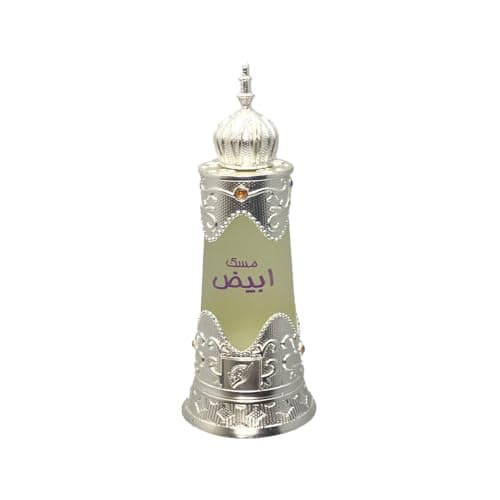
Afnan Afnan Musk Abiyad Concentrated Perfume Oil (20 ml)

The first oil to try, and the safest one to wear anywhere

Afnan Musk Abiyad Concentrated Perfume Oil (20 ml)

White MuskPerfume oilSkin scent, longYear-round
6.6/10

A soft, powdery white musk with a touch of rose and sandalwood — the safest possible introduction to Middle Eastern perfume oils, and the one most often recommended to someone trying the format for the first time. It does not project much at all; what it does is make you smell clean and quietly good for a very long time.

Longevity
8
Sillage
4
Projection
3
Value
9
Versatility
9

Pros

  • Clean, powdery and essentially impossible to offend anyone with
  • Layers under almost any spray fragrance without fighting it
  • The standard beginner recommendation for the whole oil category

Cons

  • Sits on the skin — nobody notices this from more than an arm away
  • Simple by design, so it will not hold a fragrance hobbyist's interest

Don't buy this if…

you want compliments from across the room. This is a private, close-wearing scent by design.

$21.94View on Amazon

Price as of Aug 19, 2026. Prices change — Amazon's is the one that counts.

#ad · we may earn a commission from this link to Afnan Musk Abiyad Concentrated Perfume Oil (20 ml)

02
Al Haramain Al Haramain Tanasuk Concentrated Perfume Oil (12 ml)

The oil that proves the format is not just for skin scents

Al Haramain Tanasuk Concentrated Perfume Oil (12 ml)

Rose / Amber GourmandPerfume oilVery longFall & winter
7.4/10

Rose, grenadine and saffron over dry wood, jasmine and amber, finishing on vanilla, musk and brown sugar. This is the oil that changes people's minds about the format — the syrupy rose-and-brown-sugar accord is genuinely distinctive, and it projects better than an oil has any right to by owner reports.

Longevity
9
Sillage
7
Projection
6
Value
9
Versatility
6

Pros

  • Syrupy rose, saffron and brown sugar — distinctive, not a generic musk
  • Unusually strong projection and sillage for an alcohol-free oil
  • Twelve millilitres lasts months at two dabs a wear

Cons

  • Sweet and dense — this is a cold-weather, evening proposition
  • A dab bottle, so application takes more care than a spray

Don't buy this if…

you want a fresh or office-safe scent — this is rich, sweet and deliberately noticeable.

$20.29View on Amazon

Price as of Aug 19, 2026. Prices change — Amazon's is the one that counts.

#ad · we may earn a commission from this link to Al Haramain Tanasuk Concentrated Perfume Oil (12 ml)

03
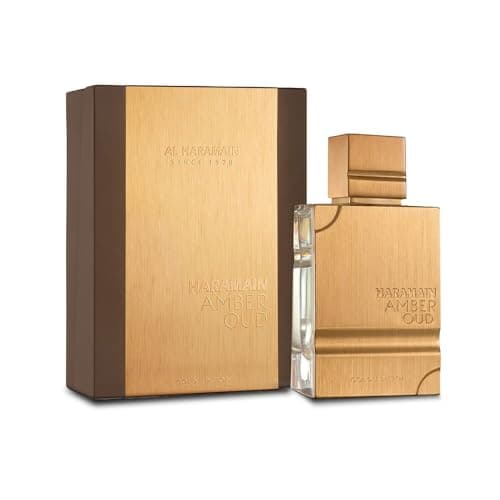
Al Haramain Al Haramain Amber Oud Gold Edition

A sweet, niche-style amber for beginners

Al Haramain Amber Oud Gold Edition

Amber / FruityEDPLong-lastingCooler weather
8.0/10

The bottle that launched a thousand 'affordable niche' recommendations — a sweet, syrupy fruity-amber that owners keep holding up as a budget stand-in for a very famous pink-bottle niche scent. It is a beginner's first taste of the 'niche' vibe without the niche invoice.

Longevity
9
Sillage
8
Projection
8
Value
9
Versatility
6

Pros

  • Sweet fruity-amber that reads expensive
  • Excellent longevity
  • Great value

Cons

  • Turns synthetic and cloying if over-sprayed
  • Divides opinion on refinement

Don't buy this if…

you dislike sweet fragrances or want something crisp and dry.

$35.32View on Amazon

Price as of Aug 19, 2026. Prices change — Amazon's is the one that counts.

#ad · we may earn a commission from this link to Al Haramain Amber Oud Gold Edition

How we picked

We do not run a testing lab — and we say so

Our rankings compile published note structures and concentration data, aggregate owner and community longevity and sillage reports, and apply a published rubric to every bottle — with first-hand impressions only where they're genuine. The scores are judgments from that research; they are not lab measurements, and we do not claim to have smelled every batch. Formulations change; where a claim came from someone else, we name and link them in Sources.

Questions

Frequently asked

What fragrances layer well together?

A simple base and a characterful accent: white musk under almost anything, vanilla or amber under a short-lived citrus, or two fragrances from the same family. Matching sets from one line are the foolproof version. Avoid pairing two complex, loud fragrances at equal strength.

How many sprays of each when layering?

Base first at your normal count, accent second at roughly half. The total should not exceed what you would wear of one fragrance — layering is about combining characters, not doubling volume. Our spray-count guide covers the dose.

Should you layer fragrances on the same spot?

Yes — close together, so the two scents share the same air and actually combine. One fragrance on each wrist is not layering; it produces two separate smells that reach people at different moments.

Is layering a way to make cheap fragrance smell expensive?

It can add depth and longevity, which are two of the things expensive fragrances are usually better at. It will not add refinement — if a fragrance smells synthetic on its own, layering it will produce a deeper synthetic smell rather than a smoother one.

More in Fragrance Guides

Keep exploring fragrance guides

Keep reading

How we sourced this

Sources

Longevity, sillage and note data are compiled from published manufacturer information and aggregated public reviews, labeled as such — not our own lab measurements. Prices render live from Amazon.