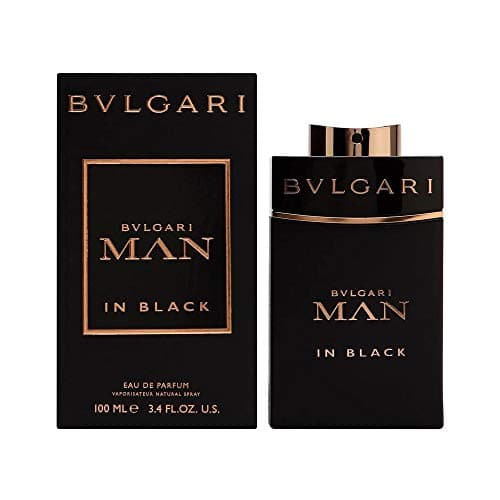
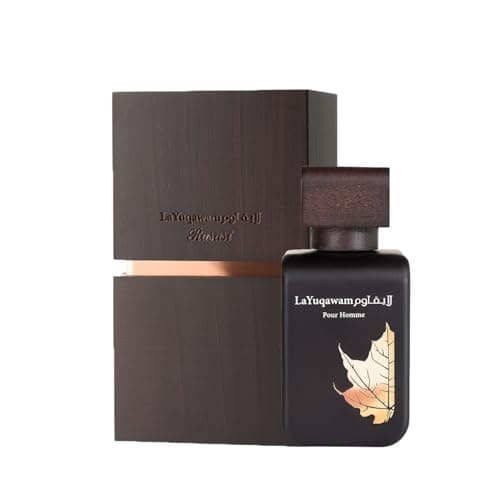
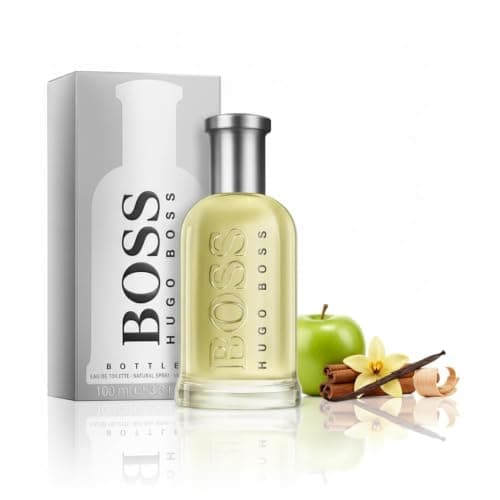
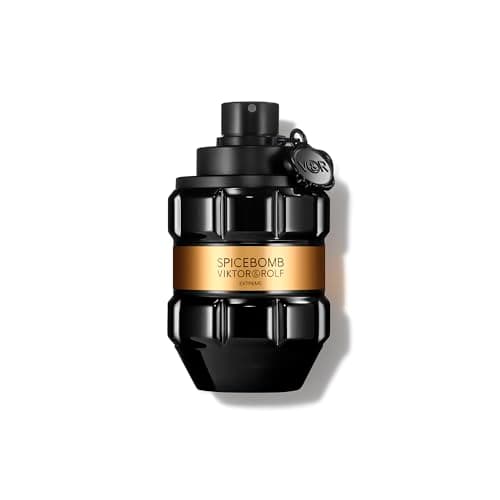
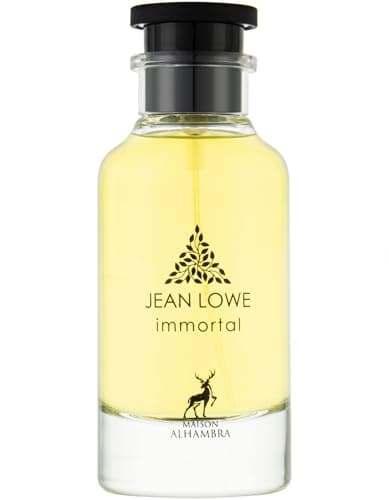
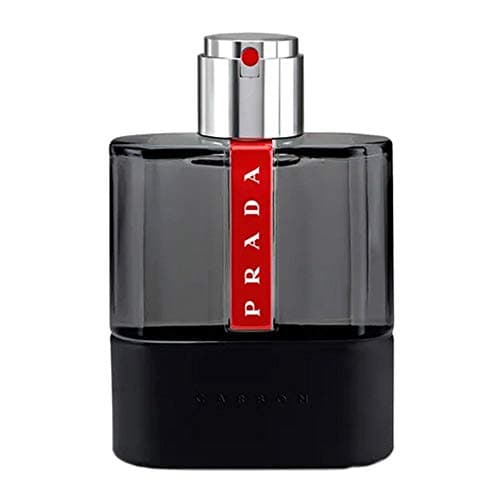
Prada Luna Rossa Carbon is the right default for most men in their forties — a clean, metallic-woody fresh that is quiet enough for a meeting, interesting enough not to be anonymous, and wearable five days a week. It is the daily-driver pick. If you want one bottle for evenings instead, Bvlgari Man in Black at number two is the better buy, and Maison Alhambra Jean Lowe Immortel at number six does a convincing impression of a designer bottle for a fraction of the money.
What actually changes in this decade
Two things, and neither is about smelling "older". The first is that the room changes. In your twenties the fragrance is competing with a bar; in your forties it is competing with a conference table, a school pickup line and a restaurant with no air movement. Projection that was an asset becomes a liability, and the sweet, loud, high-sillage bottles that dominate the under-30 lists start to feel like they are announcing something you no longer need to announce.
The second is that the budget usually went up while the tolerance for waste went down. Most men in this decade would rather own three bottles they actually wear than nine they rotate out of guilt. That changes what a good recommendation looks like: fewer novelties, more compositions that hold up on the hundredth wearing.
What does not change is the material palette. There is no fragrance family that becomes age-inappropriate at forty. If you have worn a sweet gourmand for fifteen years and it still suits you, the only adjustment worth making is the dose. Our thirties ranking and over-fifties ranking make the same point from either side of this one.
How we ranked these
Rank one is the bottle that handles the most days: office, dinner, weekend, without a change. After that we weighted presence over projection — a fragrance that is noticed at arm's length and not across a room — and then longevity, because reapplying at lunchtime is not realistic for most people in this decade. Live price broke the ties, and two of these sit in the budget tier on merit rather than as a concession.
What we deliberately left off
The loud sweet designers that dominate the twenties lists are absent, not because they are juvenile but because they are the hardest bottles to wear in a shared indoor room, which is where most of this decade happens. The heavy formal irises are absent too; they are superb and they are also the single most common over-correction we see, bought at forty-two and worn four times. If you want that lane, read our Dior Homme Intense review before you buy, not after.
How to choose for this decade
Buy for the room you are actually in
Count the hours. If most of your fragrance-wearing happens in meetings, cars and restaurants, buy the quieter bottle and spend the saved money on concentration rather than throw. If you genuinely go out three nights a week, ignore that and buy the loud one.
Three bottles is the useful number
A clean daily driver, something warmer for evenings and cold weather, and one cheap crowd-pleaser you do not mind emptying. That covers essentially everything, and it is the structure our collection-building guide recommends at any age.
Two sprays, and mean it
Olfactory fatigue makes your own fragrance disappear to you within twenty minutes while everyone else still smells it clearly. The standard mistake in this decade is adding a third and fourth spray to chase a scent only you have stopped noticing — why you cannot smell your own cologne explains why, and what to do instead.
Spend on concentration, not on the house
The gap between an EDT and an EDP of the same fragrance is usually larger and more useful than the gap between a mid-price designer and a luxury one. If you are deciding between a cheaper EDP and a pricier EDT, the EDP is almost always the better bottle for this decade's use case.