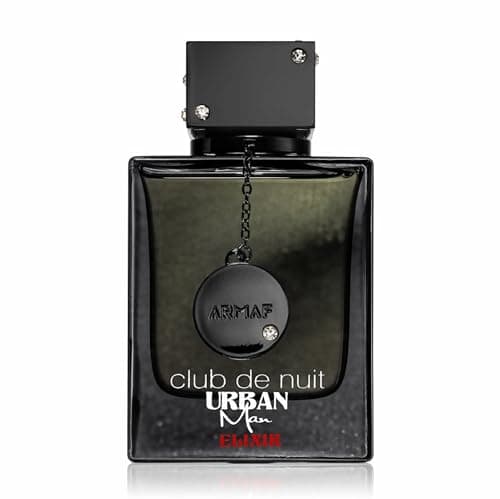
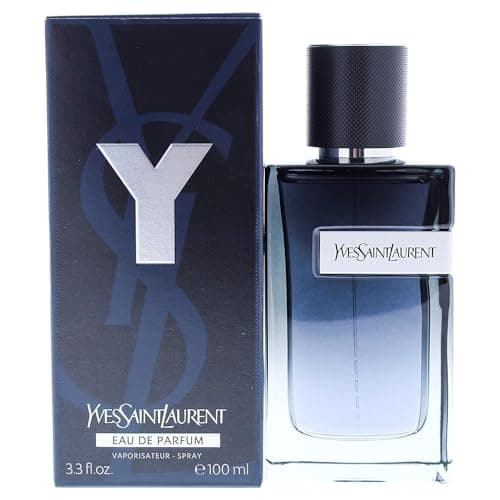
YSL Y Eau de Parfum is the best all-season bottle on this list — a fresh-aromatic with enough woody-amber weight underneath to survive the cold, and enough sharpness up top to survive the heat. It is the pick for someone who wants to own exactly one fragrance. If budget is the constraint, Armaf Club de Nuit Urban Man Elixir does the same job for roughly a fifth of the money and sits at number six for price-tier reasons, not quality ones.
Why most fragrances are not all-season
Heat and cold do opposite things to a fragrance. Warmth accelerates evaporation, so a heavy amber or gourmand that is comfortable in January becomes cloying in July — it projects two or three times as far from the same number of sprays. Cold does the reverse: it suppresses volatility, so a light citrus-aquatic that reads as crisp in August simply vanishes in January, often inside two hours.
That is the whole problem, and it is why the honest answer for most people is two bottles rather than one — a point our summer and winter rankings make in more detail. But a genuinely all-season bottle does exist, and it has a recognizable shape.
The three traits of a year-round fragrance
A fresh or aromatic top over a woody-amber base. The top end carries it through heat; the base carries it through cold. This is the single most reliable predictor, and it is the structure shared by five of the six bottles below.
Moderate projection, long longevity. A fragrance that throws hard is a seasonal fragrance by definition, because the throw doubles in heat. You want something that sits close and lasts — the distinction our sillage versus projection guide draws out.
No single dominant note. Bottles built around one loud idea — a huge vanilla, a huge pineapple, a huge lavender — are the ones people get tired of and the ones that fall out of season hardest. A blended composition with no obvious center is less exciting on a test strip and far better over twelve months.
How we ranked these
Rank one is the bottle we would hand to someone buying their only fragrance. After that we weighted the spread between its best and worst month: a bottle that is excellent in spring and merely acceptable in August beats one that is superb in winter and unwearable in July. Live price broke the ties. Nothing here is a heavy gourmand, and nothing here is a pure citrus cologne — both fail the test by construction.
Making one bottle work all year
Change the dose, not the bottle
The simplest seasonal adjustment is arithmetic. Two sprays in July, four in January, from the same bottle — heat does the amplification for you. Most people who conclude a fragrance "does not work in summer" are applying their winter dose. Our how many sprays guide has the adjustment by concentration and temperature.
Change where you spray it
Neck and chest in winter, where body heat drives it. Lower — wrists, inner elbows, under a shirt — in summer, where you want less lift. Same bottle, noticeably different effect. How to apply cologne covers the placement map.
Concentration matters more than season
An EDT of an all-season composition will struggle in cold; the EDP of the same composition often will not. If you are buying one bottle, buying the higher concentration of it is usually a better use of the money than buying a second bottle. Fragrance concentrations explained sets out what each tier actually buys you.
When one bottle is the wrong answer
If you live somewhere with a genuinely extreme spread — a humid subtropical summer and a hard freeze — no single bottle will be good in both, and pretending otherwise costs you more than a second bottle would. In that case buy one light and one heavy, and read how many colognes you need before the collection gets away from you.