Almost certainly nothing is wrong with your cologne. What you are experiencing is olfactory adaptation — also called olfactory fatigue or nose blindness — in which the brain suppresses a constant, unchanging smell so it can keep noticing new ones. It sets in within a few breaths of a continuous exposure, and the people around you are unaffected by it because they have not been breathing your fragrance for the last hour. Before you buy a stronger bottle, read the three-step check further down: the fix is usually a sentence long.
What is actually happening
Odour molecules bind to receptors in your nose, which signal the brain. After repeated binding by the same molecules, those neurons become less responsive — the firing rate drops sharply — and the limbic system, which decides how a smell is perceived, stops flagging it as worth your attention. The magnitude of the drop depends on how concentrated the smell is and how long you have been exposed to it: the stronger and the longer, the more completely it is erased.
This is a feature, not a malfunction. A nervous system that kept reporting an unchanging background smell would have nothing left for a change in it, and a change is where the useful information lives — fire, spoiled food, something new in the room. Researchers describe adaptation as happening in a few breaths, and it is dramatic enough that people using a scented air freshener at home will ask within days whether it has run out.
Why everybody else can still smell it
Because adaptation is specific to the exposed nose, not to the fragrance. Your colleague walking past has not spent the morning inside your sillage, so their receptors are fresh and your fragrance registers normally. This asymmetry is the whole problem: the person least able to judge how much cologne you are wearing is you, and the feedback loop that would normally correct it has been switched off.
It is also why the correct response to "I cannot smell it any more" is never another two sprays. The relationship between what you perceive and what the room perceives broke down roughly fifteen minutes after you got dressed.
The three-step check before you blame the bottle
Run these in order. If all three pass, your fragrance is fine and your nose is doing its job.
1. Reset your nose and test again
Step outside for a few minutes, or sniff something unrelated — coffee beans, a wool sleeve, the skin of your own un-fragranced forearm. These are the standard nose-clearing techniques used in fragrance retail between testing scents, and they work for the same reason adaptation works. Come back and smell your shirt collar rather than your wrist. If it is there, nothing is wrong.
2. Ask one person, once
Not "does this smell nice" — ask whether they can smell anything at all from a normal conversational distance. One honest answer settles in five seconds what a week of self-assessment cannot, because they are the only one of you with working receptors for it.
3. Check the bottle, not the dose
Three things genuinely reduce what a fragrance puts out, and none is fixed by spraying more. An old bottle degrades from the top notes down and goes flat and faintly sour — see does cologne expire. A light eau de toilette on dry skin has very little to hold onto, which is make cologne last longer. And a close-wearing fragrance with low sillage is working exactly as designed — sillage vs projection explains the difference between a quiet fragrance and a weak one.
What to actually do about it
Four habits, in rough order of how much difference they make.
Fix your dose by rule, not by nose. Decide the spray count from the concentration and the setting, apply it, and do not revisit the decision later in the day. Two sprays of an EDP, three of an EDT, one in a small shared room. The full table is in how many sprays of cologne to use.
Rotate bottles. Wearing the same fragrance every day produces the strongest and most persistent adaptation to it. Alternating between two or three means each one registers again when it comes back around, which is the closest thing to a cure there is — and it is the argument for a small wardrobe in how many colognes you actually need.
Spray clothing as well as skin. Fabric holds fragrance longer and releases it as you move, which gives you intermittent rather than constant exposure — and intermittent is what your receptors can still detect. The caveats on staining and which materials are safe are in can you spray cologne on clothes.
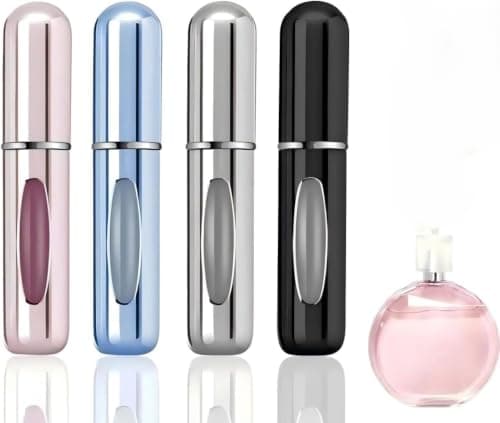
Carry a top-up instead of front-loading.If the real complaint is that nothing is left by the evening, the answer is one spray at six o'clock rather than five in the morning. That needs something pocket-sized, which is the second pick below.
When it is not adaptation
If you cannot smell anything at all
Adaptation is fragrance-specific and temporary: you lose the scent you have been wearing, not your sense of smell. If food has also stopped smelling of anything, or the loss has lasted for weeks across everything, that is not what this page is about and it is worth raising with a doctor rather than with a fragrance site.
If it vanishes within the hour, every time, on every bottle
Then look at skin rather than nose. Dry skin holds fragrance poorly, and the standard fix — moisturise with something unscented first, then apply — is in how to make cologne last longer. Skin chemistry also changes how a fragrance develops, which is a separate phenomenon covered in why cologne smells different on you.
If you want to be noticed rather than to notice
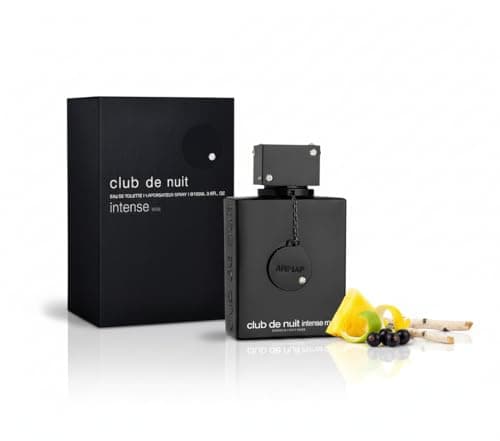
That is a different brief, and it has an honest answer: buy something with genuinely high sillage and projection, then under-apply it. The third pick below is the clearest example on this site — it scores 9 out of 10 on both, and the standing advice about it is to use fewer sprays than you think, not more. The ranked field is in best long-lasting colognes.
If you are not sure whether you like the fragrance any more
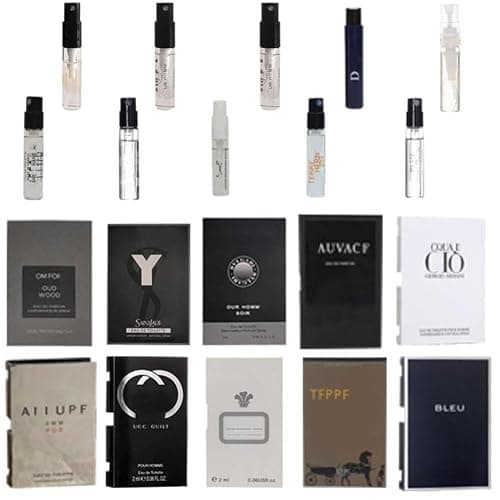
Adaptation makes a bottle you have worn daily for a year feel like it has stopped working, when what has actually stopped is your interest in it. Wearing something else for a fortnight is the test. A sampler set is the cheap way to break the cycle without buying a second full bottle, and how to find a signature scent covers what to do with the answer.