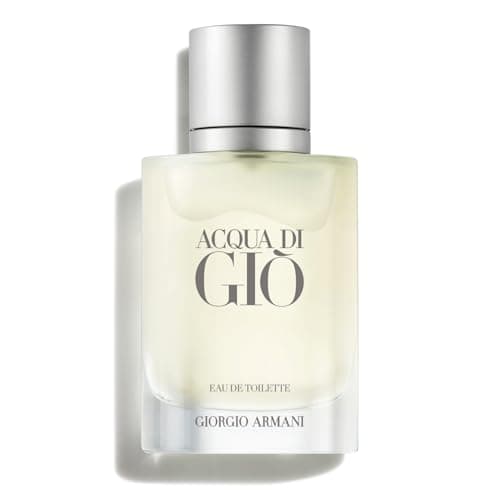
Acqua di Gio has been one of the best-selling men's fragrances on earth since 1996, and for a long stretch it was the default answer to "what should I wear in summer?" It is still a good fragrance. It is also a weaker version of the thing that made it famous, and the honest review has to say both.
How it smells
It is the reference marine aquatic: bright citrus and green notes over a clean, salty, faintly mineral heart, with a light woody base. The effect is deliberately literal — it is supposed to smell like sea air and sunlight on skin, and it does. There is very little sweetness and no heaviness anywhere in it, which is exactly why it works when it is hot and feels thin when it is not.
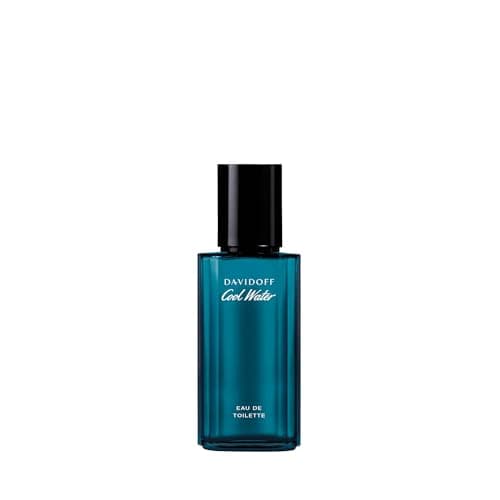
Its historical importance is hard to overstate. Along with Davidoff Cool Water, this is the fragrance that made fresh aquatics the dominant style in men's perfumery for thirty years. An enormous amount of what is on the shelf today is descended from it.
The reformulation question
This is the part most reviews skip. Owners who wore Acqua di Gio in the nineties and early 2000s consistently report the current version as thinner and shorter-lived, with the older formulation described as having noticeably more presence in the bergamot, rosemary and cedar. Some go further and call the current bottle a shadow of what it was.
The counter-argument, which also has support, is that the reformulations have mainly cost it performance while leaving the DNA intact — it still smells like Acqua di Gio, just less of it. Both readings can be true, and neither is something we can verify by smelling a current bottle, because we have no access to a 1996 one. What we can say is that this is the clearest well-documented case of a classic changing under IFRA restrictions and cost pressure, and it should shape how you buy: sample before repurchasing on a memory.
Performance, honestly
Five to seven hours on skin is the common report for the EDT, with modest projection after the first hour. That is mediocre by modern standards and it is the most frequent criticism of the fragrance today — several owners note that performance was never its strength and that reformulation has not helped. The later Profumo and Parfum versions perform considerably better and are different fragrances rather than stronger versions of this one.
Should you buy it in 2026?
As a cheap, safe, genuinely pleasant hot-weather fragrance, yes — it is widely discounted now and it still does the job it was built for. As a signature scent, probably not: it is extremely common, it does not last long, and the category it invented has since produced bottles that do the same thing with more staying power. Our summer ranking puts it in context against the current field.
If longevity is what you want from a fresh scent, the honest advice is to look at eau de parfum-strength alternatives — including the budget ones in our under-$50 list, several of which simply last longer than this does. That is not a knock on the composition; it is a concentration reality explained in the concentrations guide.