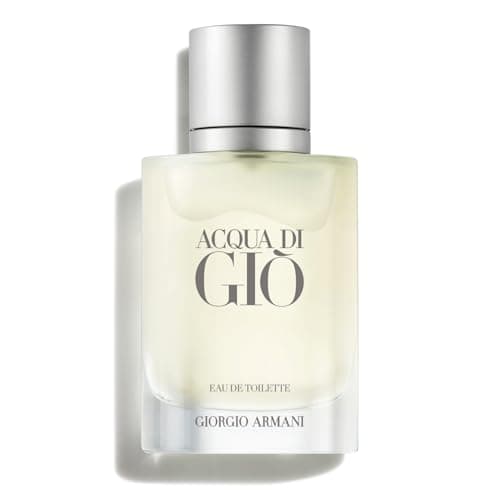
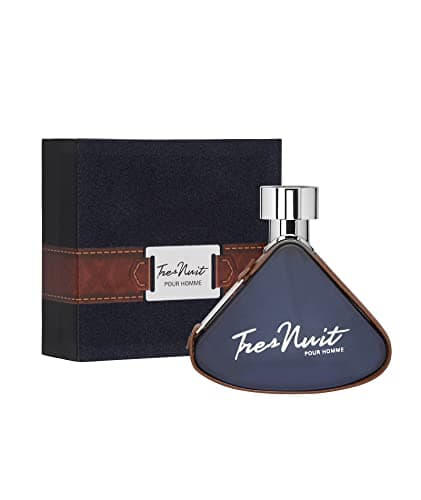
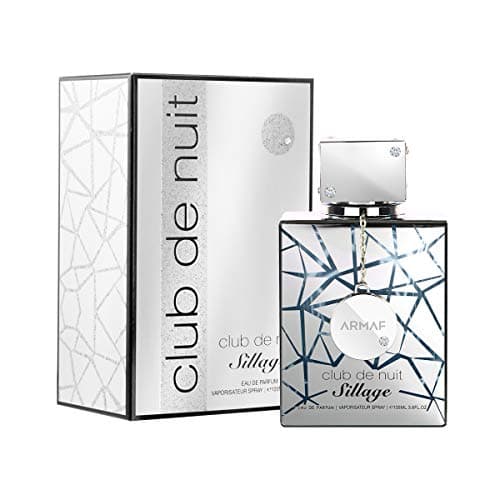
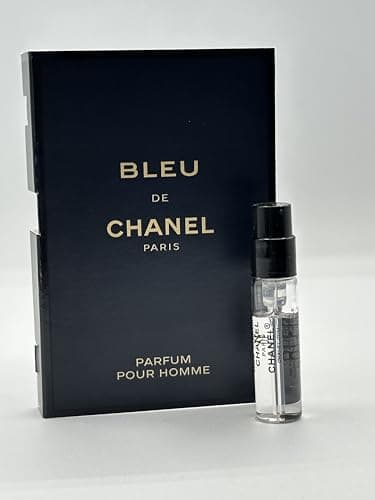
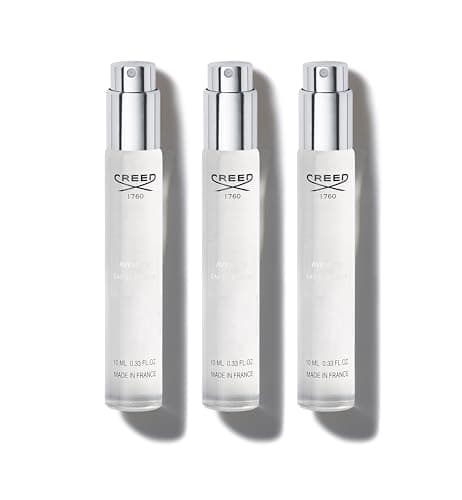
Buy Bleu de Chanel if you want one fresh fragrance that works in a boardroom, at a wedding and in February — it is drier, smokier and more formal, and it is the more useful of the two across a whole year. Buy Acqua di Gio if you live somewhere hot and want the cleanest, most effortless summer scent on the shelf. The honest caveat on both: the sensible buys here are a Chanel sample vial and the standard Armani EDT, not a suspiciously cheap full bottle of either.
The short answer
Acqua di Gio defined the marine-aquatic genre in 1996 and still sells in staggering numbers because it is close to impossible to dislike: salty citrus, a clean marine accord, and nothing in it that could offend anyone. Bleu de Chanel arrived in 2010 with a different ambition — a citrus-woody-incense structure that reads composed and slightly serious rather than breezy. One smells like a good holiday. The other smells like you have your life together.
Where they genuinely differ
Season is the big one. Acqua di Gio is a hot-weather fragrance in the truest sense — the citrus-marine opening is built for heat, and it reads thin and a little sad in cold air. Bleu de Chanel works in both directions because the dry cedar-and-incense base gives it something to stand on once the top notes burn off. If you only own one and you live somewhere with a real winter, that settles it.
The second difference is the impression. Acqua di Gio is the more universally liked of the two and the less interesting; part of what you pay Chanel for is a sense that nothing in Bleu de Chanel sticks out, which some people experience as elegance and others experience as nothing at all. It is also the quieter fragrance at close range despite being the longer-lasting one — it hugs the skin rather than announcing itself.
Performance in the base concentrations disappoints people on both sides. The original Acqua di Gio EDT is light; the original Bleu de Chanel EDT is moderate. Both lines have stronger flankers — Acqua di Gio Parfum, and Bleu de Chanel's own EDP and Parfum — and most arguments about these two are really arguments about which version someone owned. Our concentrations guide explains why the labels mislead so consistently, and the flankers guideexplains why "the same fragrance, stronger" usually is not.
Specs side by side
| Bottle | Concentration | Scent family | Performance | Best season |
|---|
| Bleu de Chanel (Parfum sample vial) | Parfum | Woody / Aromatic | Strong | Year-round |
| Armani Acqua di Gio | EDT | Fresh / Aquatic | Moderate | Spring & summer |
| Armaf Tres Nuit | EDP | Green / Fresh Aromatic | Moderate | Spring & summer |
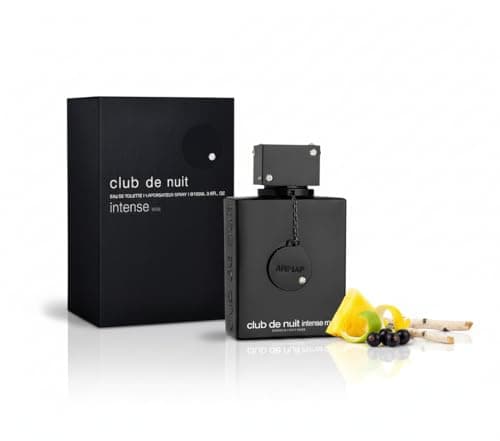
| Armaf Club de Nuit Sillage | EDP | Fresh / Citrus Green | Moderate | Spring & summer |
The buying problem nobody warns you about
Chanel controls its distribution tightly and does not wholesale to marketplace sellers, so a cut-price "full bottle" of Bleu de Chanel from an unfamiliar third party is a genuine counterfeit risk rather than a bargain. The honest route is to sample the real thing for a couple of dollars, decide whether the signature is worth full-bottle money, and then buy the full size at a counter. Acqua di Gio is far more widely distributed and much less of a gamble, but watch the size on the listing — the headline price is usually the smallest bottle, and the large one costs several times as much. If any of that worries you, read how to spot a fake and where to buy fragrance safely before you check out.
How to choose between them
Start with your climate, then your calendar
If you live somewhere that is hot for more than half the year, Acqua di Gio earns its place and Bleu de Chanel will feel like more work than it is worth. If you have four real seasons, Bleu de Chanel is the better single purchase and Acqua di Gio becomes a summer-only bottle you will finish slowly. Then look at your week: Bleu de Chanel is the more formal of the two and the better answer for interviews, weddings and anywhere a jacket is involved.
Decide how much the house is worth to you
A large part of Bleu de Chanel's price is the brand, the bottle and the blending polish. That polish is a real thing — it is genuinely smoother than almost anything in its lane — but it is not a performance advantage, and anyone telling you a cheaper fragrance cannot smell as good is selling something. The designer vs niche piece covers where that money does and does not go.
Consider the cheap route to each lane
Both profiles have credible budget alternatives, and they are different ones. Armaf Tres Nuit covers the green-fresh aromatic territory and is the rank-one pick of our Bleu de Chanel dupe ranking. Club de Nuit Sillage sits closer to the bright citrus-green side. Neither is the same fragrance, and both give themselves away in the dry-down — but at these prices you can own both and still have spent less than one designer bottle.
Buy the version you actually tested
This is the single most common way people end up disappointed with either fragrance. Sample the exact concentration you intend to buy, because the EDT, EDP and Parfum versions of both are different enough to change the verdict. A sampler set costs a fraction of a bad full-bottle decision, and testing properly takes a day, not a spray on a paper strip in a store.
If you want both, buy in this order
Bleu de Chanel first if you need something for work and the colder half of the year; Acqua di Gio first if summer is most of your year. Owning a formal year-round fresh plus a dedicated hot-weather aquatic is a sensible two-bottle wardrobe, and it is the shape most people land on anyway — building a collection walks through doing it deliberately rather than by accident.