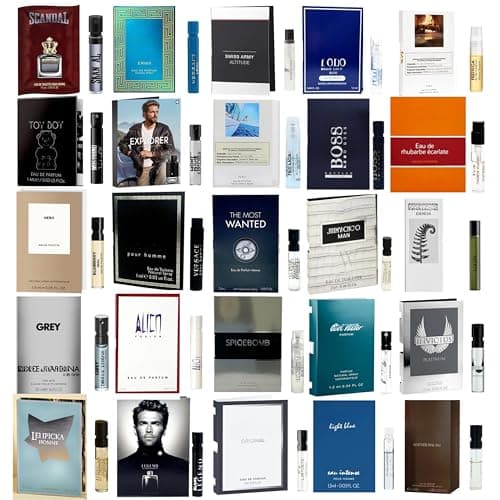
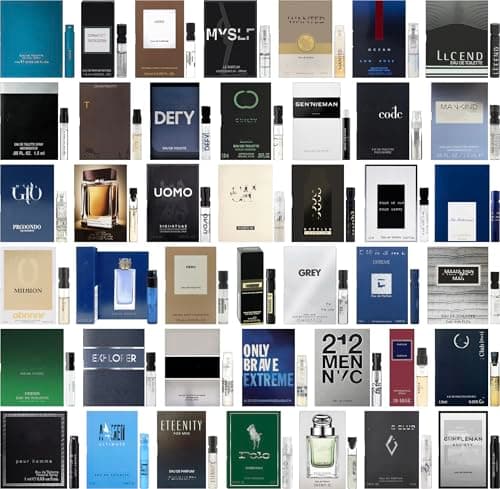
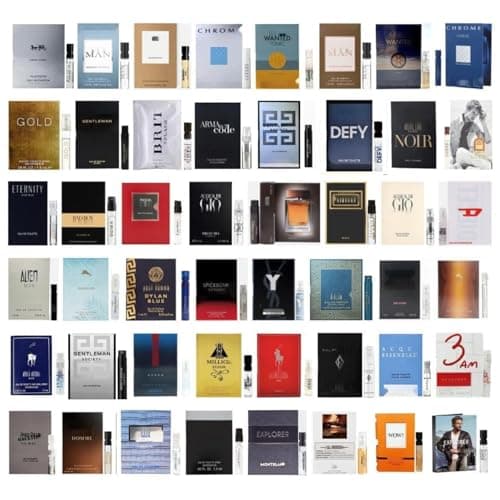
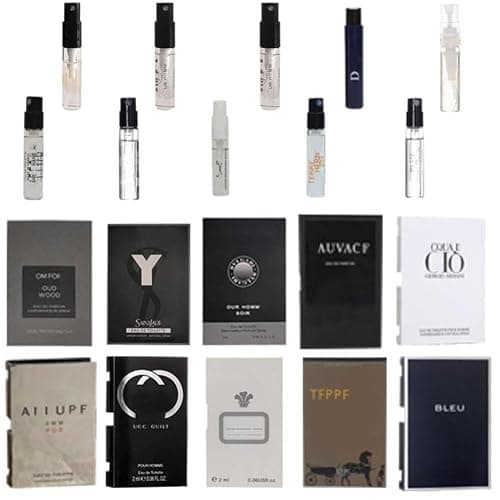
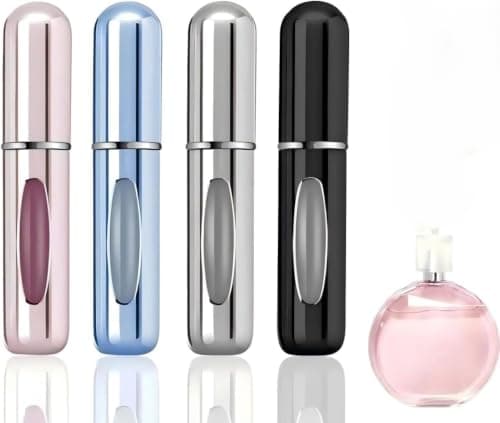
Buying your first full bottle of cologne without sampling is the most expensive mistake in this hobby, and almost everyone makes it. A discovery set solves the problem directly: for roughly the price of one cheap bottle you get ten or more scents to live with for a few days each, and you find out what you actually like rather than what a video told you to like.
Why sets beat single samples for a beginner
A single sample answers "do I like this one fragrance?" A set answers a much more useful question: "which entire families do I respond to?" Most people start with no idea whether they prefer fresh citrus, warm spice, sweet gourmand or clean woody, and those categories matter far more than any individual bottle. Wearing ten scents across three weeks teaches you your own preferences faster than a year of reading.
It also inoculates you against the biggest trap for new buyers, which is buying the most-recommended bottle on the internet and discovering it does not work on your skin. Fragrance genuinely smells different from person to person — skin chemistry, and to a lesser extent diet and climate, all shift how a composition develops. A strip in a shop tells you almost nothing about that; a vial you wear for a full day tells you everything.
What a good beginner set looks like
Breadth over depth. A set of eight variations on one theme is useless to someone starting out. You want fresh, woody, spicy, sweet and aquatic represented, so you can eliminate whole directions quickly. Recognizable names. Sampling scents you can then actually go and buy is the point; a set of anonymous house blends leaves you nowhere. Real sprayers. Dab vials are much harder to judge, because application method genuinely changes how a fragrance reads.
What you should not expect is perfection on the vials themselves. These sets are assembled by third parties, not by the fragrance houses, so fill levels vary and the occasional atomizer is temperamental. That is the trade for getting ten designer scents for the price of a takeaway, and it is a reasonable one.
How this list is ordered
Rank reflects how useful each set is to someone with no fragrance wardrobe at all — breadth of families covered, how recognizable the scents are, and value per vial. It is not a sort of the scores. Our published rubric weights value equally with the performance measures, which on sampler sets means the numbers cluster tightly; the rank is doing the real work here.
How to actually use a discovery set
One fragrance per day, minimum
The most common mistake is spraying four vials in one session. Your nose saturates within a few minutes and everything after the second scent turns into noise. Wear one per day, on skin rather than a card, and pay attention at the four-hour mark rather than the four-minute mark — the dry-down is the part you will actually live with. The sampling playbook walks through a full testing day.
Write down what you think, immediately
After ten scents you will not remember which was which, and vague memories are useless for a buying decision. Two lines per fragrance is enough: what it reminded you of, and whether you would wear it again. The pattern that emerges across ten notes is the actual output of the exercise.
Expect to dislike most of them, and treat that as success
A discovery set that produces one bottle you love and nine you would not buy has done its job perfectly. The nine are not wasted money — they are the reason you did not spend a hundred dollars on the wrong thing. Eliminating a whole family you dislike is more valuable than finding a scent you moderately enjoy.
Sampling the untouchables
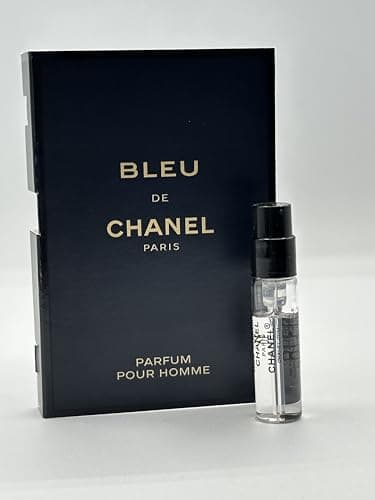
Some fragrances are worth sampling individually rather than waiting for a set to include them. Chanel restricts its distribution tightly, so a genuine Bleu de Chanel vial is the only sensible way to try it online — a discounted "full bottle" from an unknown seller is frequently a fake. Same logic applies at the top of the market, which is covered in our designer vs niche comparison. Our where to buy guide covers the counterfeit red flags in full.