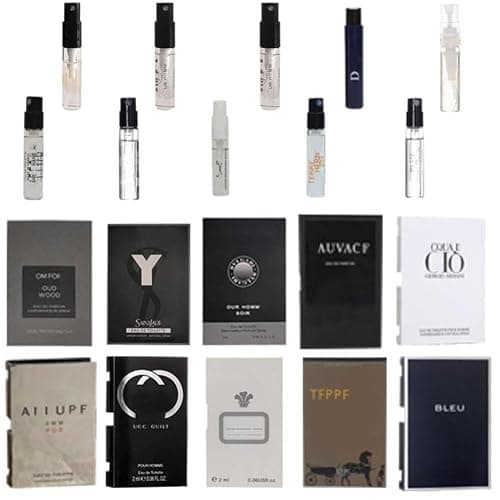
A decant is fragrance transferred out of its original bottle into a smaller one — typically 2 ml to 10 ml — and sold on. It is not a manufacturer sample and it is not a travel size; it is someone splitting a full bottle so several people can each have a usable amount. For anything expensive, it is the most sensible way to find out whether you actually want it.
Decant, sample, travel spray — the differences
| Format | Typical size | Who fills it | Best for |
|---|
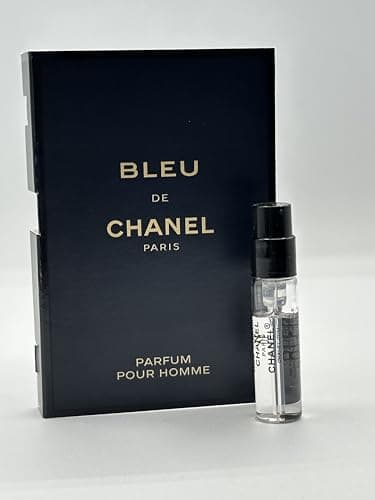
| Manufacturer sample vial | 1–2 ml | The brand | One or two wears to shortlist |
| Decant | 2–10 ml | A splitter or retailer | Living with a fragrance for weeks |
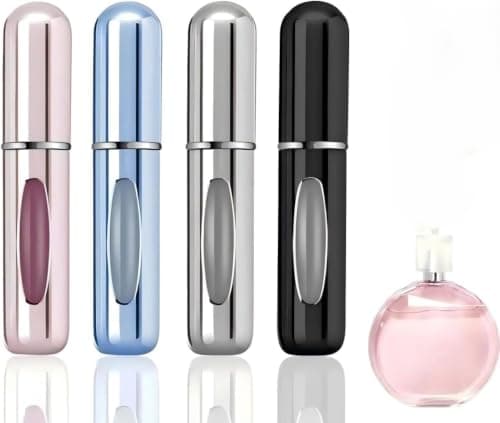
| Travel spray | 10–30 ml | The brand | Carrying a fragrance you already own |
The important difference is not size but provenance. A brand sample and a brand travel spray came from the manufacturer sealed. A decant passed through someone else's hands, and everything about buying one comes back to whether you trust those hands.
Why decants are worth buying
Three reasons. First, cost: 5 ml of a $300 niche fragrance is a night's worth of curiosity rather than a month's rent. Second, time — a decant gives you fifteen or twenty wears, which is enough to learn whether a fragrance is genuinely for you rather than merely impressive on day one. Third, rotation: three decants in a drawer is a more useful wardrobe than one full bottle you are tired of, an argument we make properly in how many colognes do you need.
They are especially useful for fragrances you cannot sample any other way. Discontinued bottles, niche houses with no local stockist and reformulated classics all circulate as decants long after the shops stop carrying them.
The honest warning
A decant is unsealed fragrance in an unbranded bottle. There is no way to verify what is in it by looking at it, which makes it the single easiest format to counterfeit or dilute — and the reason we do not point you at random marketplace decant listings.
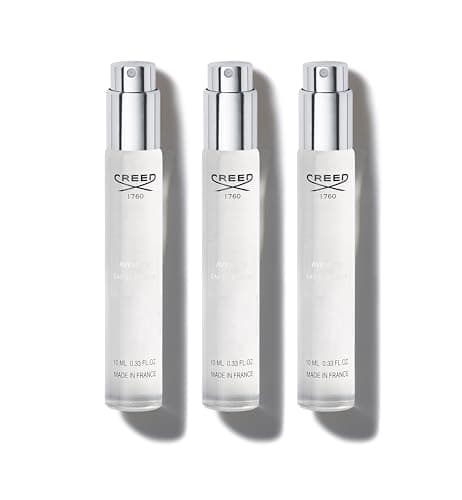
The safer route is either a sealed manufacturer sample, or a brand-filled atomizer set like the Creed one above, where the packaging is the guarantee. If you do buy from a decant specialist, buy from an established seller with a long public track record, and treat an unusually cheap decant of an expensive fragrance as exactly what it looks like. The red flags are covered in our spotting a fake cologne guide, and our where to buy guide explains which retail channels are actually safe.
What a fair price looks like
Do the arithmetic before you buy. Divide the price of a full bottle by its size in milliliters to get the per-milliliter cost, then compare. A decant normally runs at some premium over that — the splitter is paying for atomizers, labels, shipping and their time — but a decant priced at several times the bottle rate is not a bargain, it is a markup on your impatience.
Two exceptions where a premium is fair: very expensive niche fragrances, where the alternative is a four-figure blind buy, and discontinued fragrances, where scarcity is real.
How this fits the rest of the process
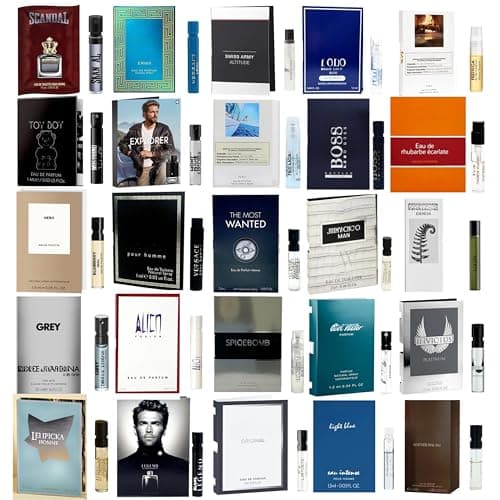
The sensible order is cheap and broad first, then narrow and deep. A sampler set tells you which families you like. A decant of one or two shortlisted bottles tells you whether you want to own them. Only then does a full bottle make sense. The testing method itself — how long to wait, how many at once — is in our how to test cologne guide.
The other everyday use for a decant is travel, where the constraint is legal rather than financial: carry-on liquids are capped at 100 ml per container and have to share one quart-sized bag. What you can actually take, in the cabin and in the hold, is set out in flying with cologne.