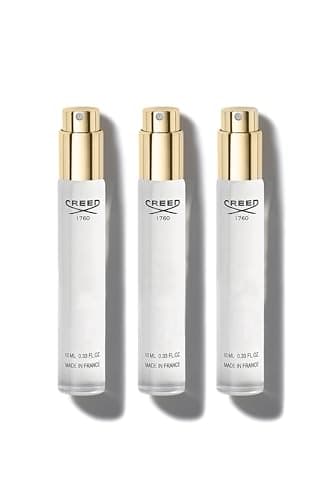
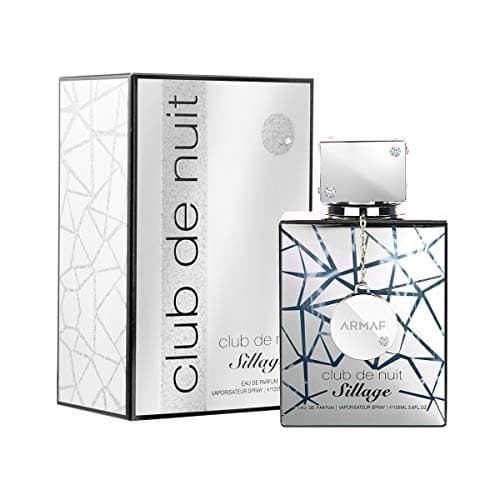
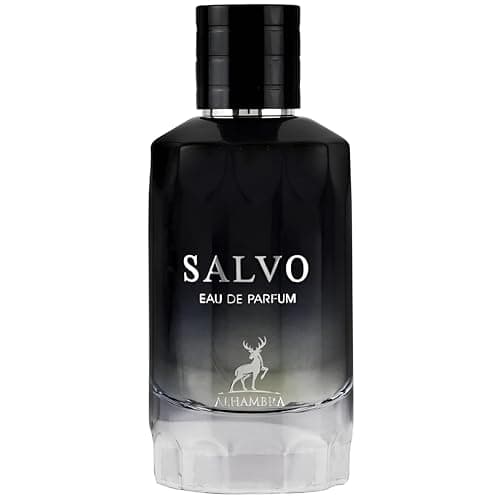
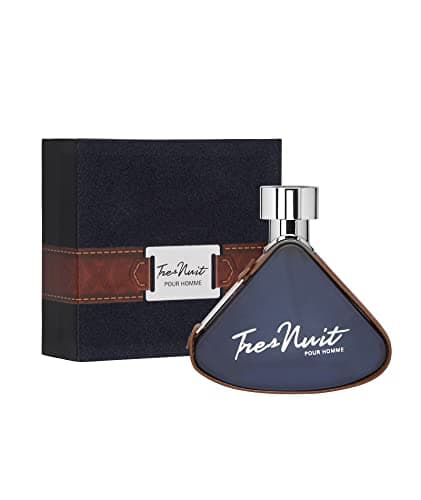
Armaf Tres Nuit is the best green cologne for most people, and it is the pick for anyone who wants the iris-and-violet-leaf green shape for about twenty dollars — its published note list is openly chasing the 1985 fragrance that defined the family, and it gets close enough that most noses cannot place the difference. The budget pick is Maison Alhambra Salvo, the cheapest bottle here that still reads green rather than merely fresh. If you want to know what the family is actually supposed to smell like before you judge any clone of it, the Creed Green Irish Tweed travel set is at number two and is the reference the rest of this page is measured against.
What makes a fragrance green
Green is not a note, it is a texture. It comes from materials that smell like a plant that has just been cut rather than a flower that has just opened: violet leaf, galbanum, vetiver, tomato leaf, clary sage, and above all iris, which is the root of the family in both senses. The effect is cold, sappy and slightly bitter — the opposite of the sweet and amber families we rank on our sweet page and our amber page.
Green is often filed under fresh, and it is a cousin — but it is not the same thing. Fresh, in the way our fresh ranking uses it, means citrus, water and clean woods. A green fragrance can be bone dry and have no citrus in it at all. The closest neighbour is the fougère structure, which pairs lavender with coumarin and often adds a green edge on top; the full account of that is on our fougère ranking, and two bottles appear on both pages for exactly that reason.
Why the budget shelf is unusually good here
Green is the one family where cheap clones land closest to their originals, and there is a reason: the materials are cheap. Iris absolute is one of the most expensive ingredients in perfumery, but the synthetic ionones that carry the violet-and-iris impression are not, and a green fragrance leans on them more than on naturals. A sweet gourmand built down to a budget smells like a cheap sweet gourmand. A green built down to a budget often just smells green.
That is why three of the six bottles here are Armaf, and why the original sits at number two rather than number one. We rank what we would actually buy under our published rubric, which weights value equally with performance, and a three-vial travel set at ten times the price cannot win that arithmetic against a bottle that smells like most of it. The Creed is on the page because it is the reference point, and because owning a decant of the real thing is the only honest way to decide whether the clones are good enough for you.
Buying green well
Green is the most season-restricted family we rank
These are cool-weather-adjacent in a specific way: they are superb from March to June and in early autumn, workable in high summer, and strange in deep winter, where their bitterness reads thin against cold air. If you own one fragrance and live somewhere with a real winter, green should not be it — see our spring ranking for where this family actually belongs, and the winter list for what to pair it with.
Decide whether you want green-clean or green-bitter
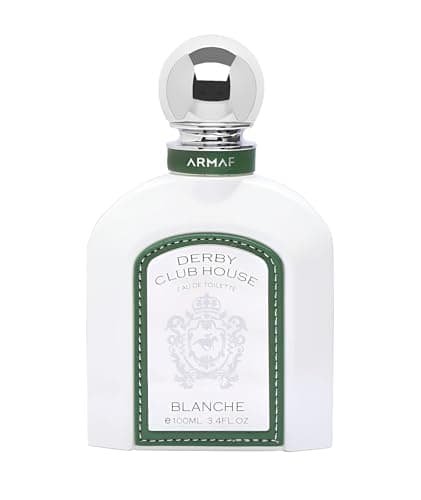
The family splits in two, and the split matters more than the price. Green-clean is soapy, mineral and office-safe — Tres Nuit and Derby Club House Blanche live here. Green-bitter is sappier and more divisive, with the galbanum and violet leaf pushed forward. Sample before you commit either way; a bitter green on the wrong skin is the sort of thing people describe as smelling like a stem.
Expect polite projection, and price accordingly
Nothing in this family is a beast-mode fragrance, and a green bottle sold on huge projection is usually not really green. Four to six hours is normal and good here. If you need a scent to still be working at midnight, this is the wrong family and the long-lasting ranking is the right page.
The one place to spend, if you spend
Buy the clones for wearing and buy the original as a decant for calibration — not the other way round. A 10 ml atomizer of the reference fragrance costs a fraction of a full bottle and tells you whether the twenty-dollar version is eighty percent of it or forty, which is the only question worth answering. The mechanics are in our decants guide.