Smelling good all day is a stack, and fragrance is the top of it. In order: wash properly, manage sweat with an actual antiperspirant rather than a deodorant, wear fabrics that do not hold odor, and only then apply a fragrance that lasts. People who get this wrong almost always get it wrong at step two and try to fix it at step four, which is why they end up oversprayed and still not happy. If you want the fragrance half done properly first, our make cologne last longer guide covers that in isolation.
Step one: wash the bacteria, not just the sweat
Sweat itself is close to odorless. The smell comes from skin bacteria breaking it down, which is why the target is bacterial load rather than moisture. The American Academy of Dermatology notes that a benzoyl peroxide wash kills the bacteria behind acne and can also help reduce body odor after a workout, since the same bacteria are involved. For most people a normal shower with soap is sufficient; for anyone who finds odor returns within hours, that is the specific thing to try.
Dry thoroughly afterwards. Damp skin under clothing is the condition bacteria want, and it also degrades the performance of everything you apply next.
Step two: antiperspirant, not deodorant — and at night
This is the step most people get wrong, and the distinction is simple. The AAD's guidance is that antiperspirant reduces sweating by plugging the sweat glands when you start to sweat, while deodorant only masks or stops odor. If your problem is sweat-driven odor, deodorant alone is treating the symptom. Products that combine both exist and are the easy answer.
The timing matters more than the product. The AAD recommends applying antiperspirant at bedtime to dry skin and again in the morning — overnight application gives the active ingredient time to work when you are not sweating it off. It can also be applied anywhere that sweats, including palms, back and behind the knees.
On whole-body deodorants, which are now widely marketed: the AAD advises against using them over the entire body, because the ingredients can irritate sensitive areas. Apply them where odor actually starts — armpits, feet and groin. And note that they will not reduce how much you sweat unless they contain aluminum chloride, aluminum chlorohydrate or aluminum zirconium.
Step three: fabric decides how long any of it lasts
Synthetic fabrics trap odor-causing bacteria in a way natural fibers do not, which is why a polyester shirt smells after one wear and a cotton one does not. If you are fighting a mid-afternoon problem, the shirt is a more likely culprit than the antiperspirant. Shoes are the same story — the AAD suggests taking them off when you can, which helps prevent odor, irritation and infection.
Fabric also holds fragrance far longer than skin does, which cuts both ways. It is why a light spray on a shirt outlasts a heavy one on a neck, and also why yesterday's fragrance is still in the jacket. Our can you spray cologne on clothes guide covers which fabrics are safe and which stain.
Step four: now the fragrance
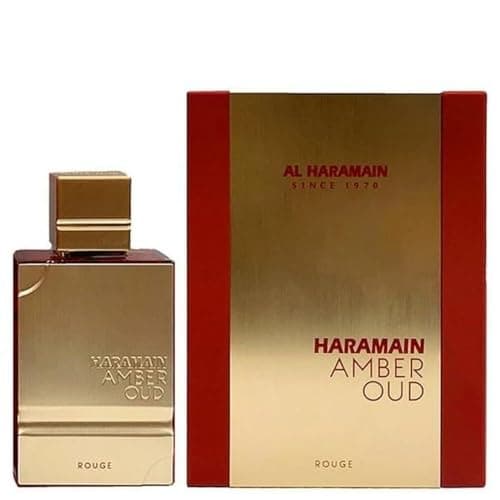
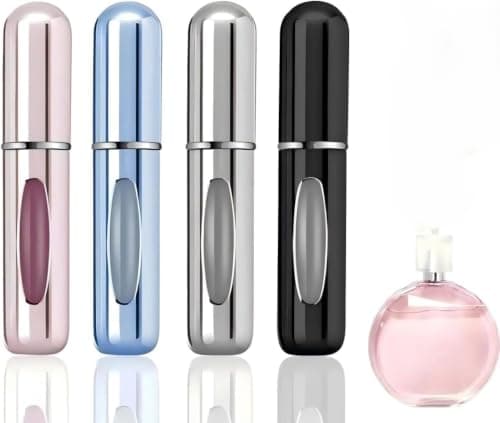
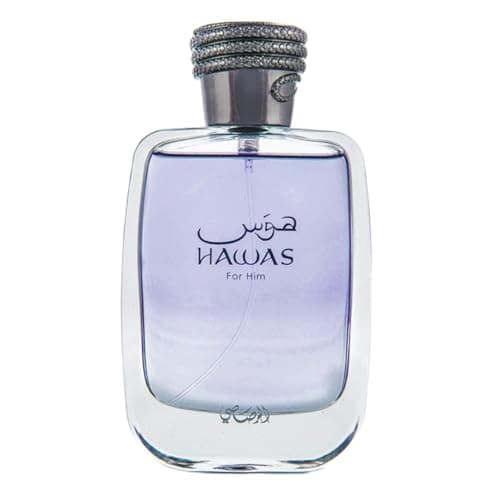
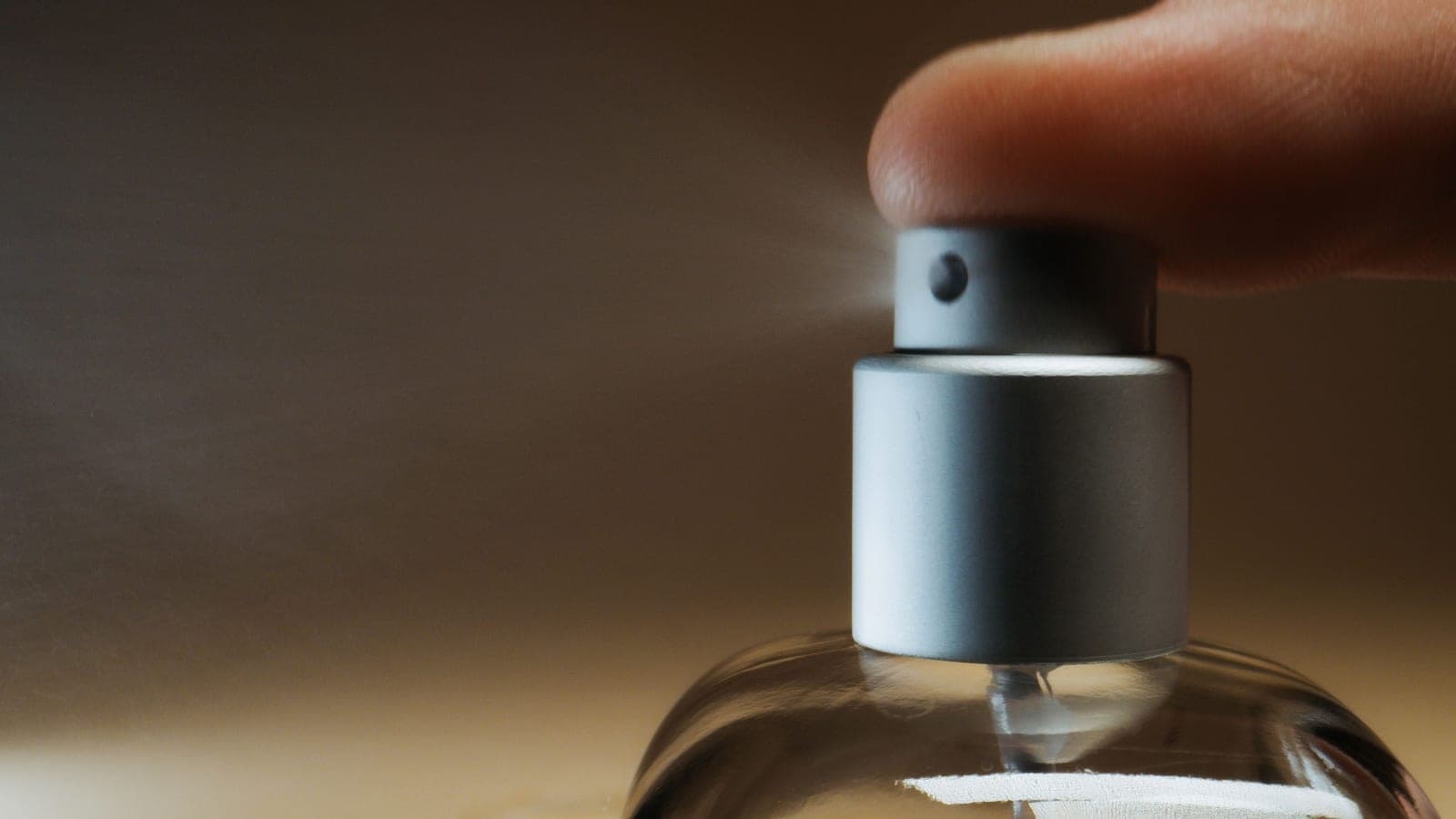
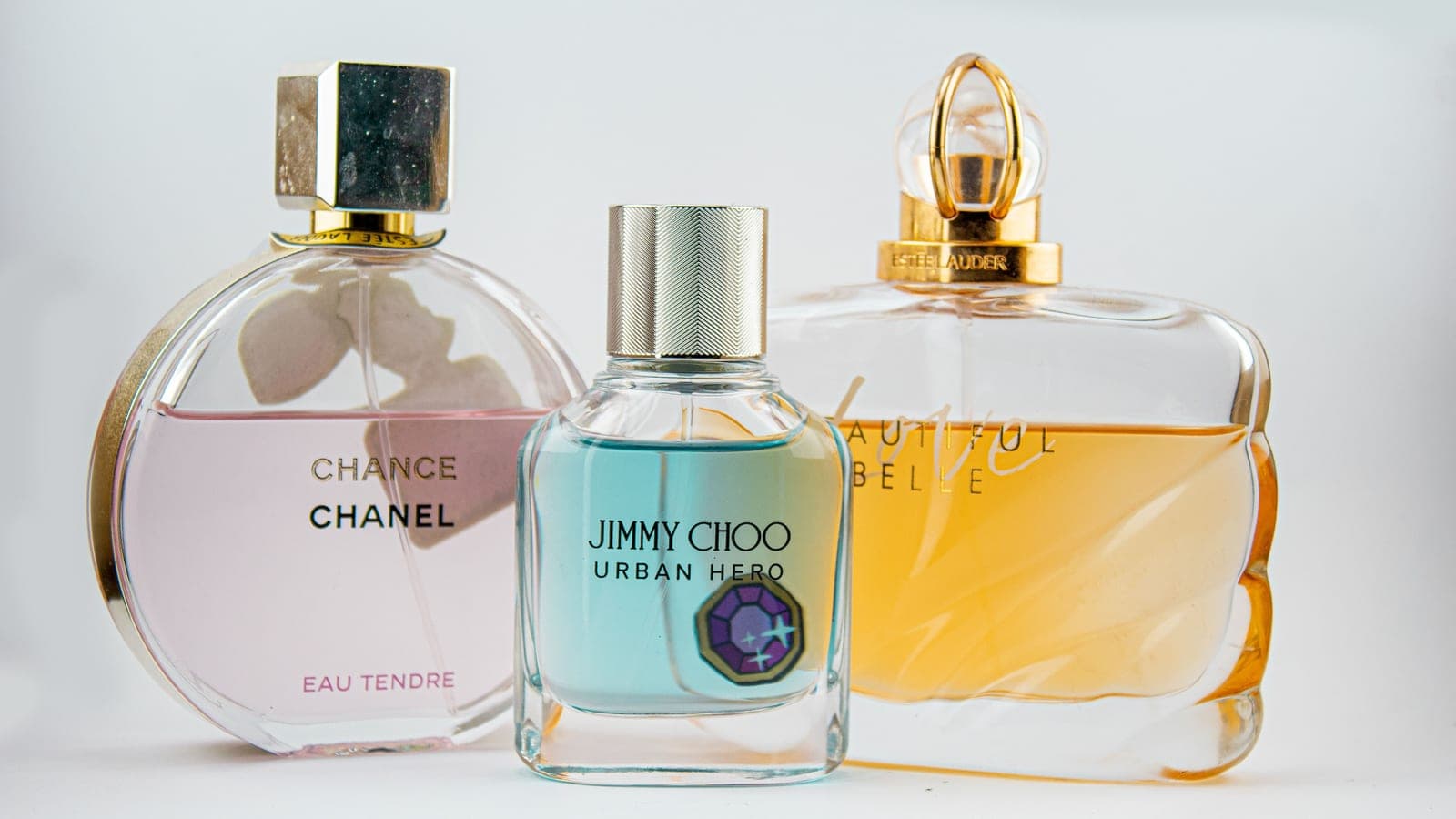
With the first three steps in place, the fragrance only has to do one job, and it can do it at two sprays instead of six. Choose for longevity rather than projection: you want something that stays on you all day rather than something that fills a room for two hours and disappears. The three bottles below are picked for exactly that — two long performers and the refillable atomizer that makes a mid-afternoon top-up practical without carrying a full bottle.
Making it hold through the afternoon
Moisturize before you spray
Fragrance evaporates faster from dry skin. An unscented moisturizer on the application points before spraying measurably extends how long the fragrance stays detectable, and it is the cheapest intervention available.
Buy the concentration, not more sprays
An EDP of the same fragrance will usually outlast an EDT by hours. If you keep adding sprays to get through a day, you are solving a concentration problem with volume — see fragrance concentrations explained.
Carry a decant instead of reapplying blind
A 5 ml refillable atomizer in a bag lets you top up once at midday, which is more effective than over-applying at eight in the morning and far better for the people around you. Our travel size guide and decants guide cover how to do it without buying duplicate bottles.
Trust other people's noses, not your own
You stop smelling your own fragrance within about twenty minutes while everyone else still does. Never use your own perception as evidence that it has worn off — why you cannot smell your own cologne explains the mechanism and the workaround.
Know when to see a doctor instead
Persistent odor or sweating that no routine controls is worth raising with a clinician rather than solving with a stronger bottle. The AAD publishes guidance on excessive sweating specifically, and prescription options exist.