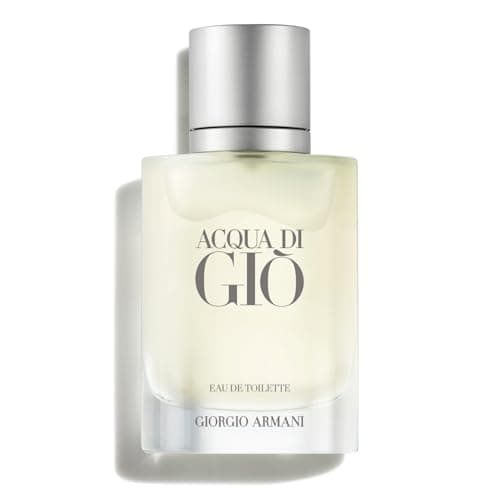
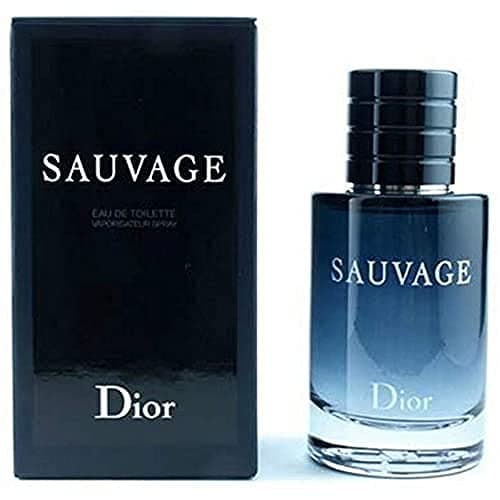
"Smells expensive" is one of the most common things people say about a fragrance and one of the least examined. It is not a price. It is a bundle of four or five specific qualities you can learn to name, and once you can name them you can buy them deliberately — which is good news, because the single most famous expensive-smelling fragrance in the world is also one of the most poorly rated bottles on this page.
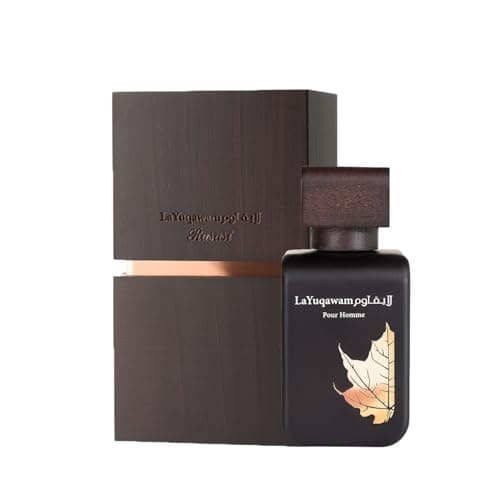
Our rank-1 pick is Rasasi La Yuqawam Pour Homme: a raspberry-and-saffron opening over smoked suede that carries four of the five markers below, and scores 4.39 out of 5 across 4,130 Fragrantica members — a higher community score than Creed Aventus, Dior Sauvage or Bleu de Chanel manage. It costs what a decent shirt costs. That is the entire thesis of this page.
What "smells expensive" actually means
Before the picks, the criteria — because a list without them is just seven bottles somebody liked. Every pick below had to show at least three of these five. They are the qualities that separate a fragrance that reads as considered from one that reads as cheap, and none of them is about money.
1. A dry-down that goes somewhere
The clearest giveaway of a cheap fragrance is that it smells the same at hour four as it did at minute four, only quieter. Expensive-smelling compositions move: a bright opening gives way to something denser, then settles into a base that is recognizably different from where it started. That movement costs money to build, because it means paying for materials that evaporate at different rates rather than one accord blasted at full volume. When people say a fragrance smells "deep" or "complex," this is usually what they are describing.
2. Materials that read natural, not loud
Iris, real-smelling leather and suede, resins like olibanum and labdanum, ambergris-type ambers, oakmoss — these are the materials the luxury houses built their reputations on, and the nose registers them as costly even when it cannot name them. Cheap fragrance tends to lean on the opposite: high-impact synthetics that hit hard in the first ten minutes because that is when a buyer decides. Our ambroxan explainer covers the single most-used of those synthetics and why it is not automatically a bad sign — the problem is when it is the whole fragrance rather than a part of one.
3. Restraint
This is the counter-intuitive one. Very expensive fragrances are often quieter than cheap ones, because projecting across a room is the easiest and cheapest thing a perfumer can engineer. A scent that sits close and invites someone to lean in reads as confident; a scent that announces you from the lobby reads as trying. The exception is a deliberately loud niche statement, and those announce themselves differently. If the distinction is unfamiliar, read sillage versus projection first — the two are not the same thing and the difference matters here.
4. No sugar bomb, no shower gel
Two specific failure modes give away a budget bottle faster than anything else. The first is flat sweetness — a caramel or vanilla accord with nothing underneath it, which smells like candy rather than perfume. The second is the clean-aquatic opening that reads exactly like a supermarket body wash. Sweetness and freshness are both fine; what is not fine is either one arriving with nothing behind it.
5. Performance that behaves
Not maximum longevity — appropriate longevity. A fragrance that is still shouting after ten hours is not a luxury signal, it is an indelicate one. What reads expensive is a scent that holds its shape for a working day and then fades rather than collapsing after ninety minutes. Several bottles on this page are honest about falling short here, and we have said so on each one.
The reference point, and why it loses
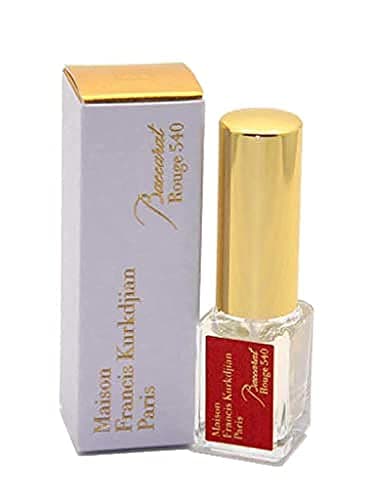
It is worth putting a number on the gap between price and perception before the list starts. Maison Francis Kurkdjian's Baccarat Rouge 540 is the fragrance most often held up as the sound of money — a saffron, jasmine and amberwood composition that launched in 2015 and spawned an entire budget industry copying it. On Fragrantica it carries a rating of 3.74 out of 5 across 30,251 votes, the lowest score of anything on this page, against 4.39 for a Rasasi that costs a small fraction as much.
That is not a claim that Baccarat Rouge is bad. It is a claim that price and the perception of expense came apart years ago, and that the second one is buyable on a normal budget. We still put five milliliters of the genuine article on the list, at the bottom, for exactly one reason: if you want to know what the reference actually smells like before you buy anything that chases it, owning a little of the real thing beats reading about it. The wider argument about what the money buys sits in our why cologne is expensive guide and our designer versus niche comparison.
How this list is different from our cheap-cologne lists
Two of our other pages look superficially similar and answer different questions. Best cologne under $30 is a price bracket — everything in it is cheap, and some of it is cheap and loud. Best cologne dupes is about likeness: which affordable bottle smells most like a specific famous one. This page is neither. It asks only whether a fragrance reads as costly to the person standing next to you, and two of the picks below are not imitating anything at all.
One consequence of that: the lineup here deliberately overlaps very little with those pages. Another: the most expensive bottle on the list is here on merit, not as a token, because when budget is genuinely not the constraint the honest answer changes.
The buyer's guide
Why La Yuqawam takes rank 1 and Dior Homme Intense does not
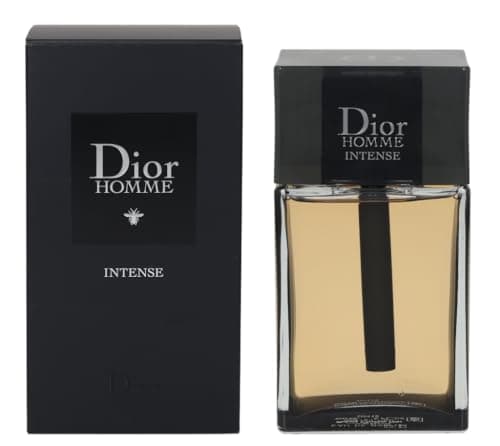
On raw quality the order would invert. Dior Homme Intense is the highest-rated fragrance on this page by a distance — 4.49 out of 5 across 24,980 Fragrantica votes — and its iris-and-lavender structure is close to the textbook definition of the expensive-smelling accord. If somebody asked us for the best expensive-smelling bottle with no budget attached, that is the answer and we would not hesitate.
But the question this page answers is the one people actually type, and the variants attached to it make the intent unambiguous: cheap cologne that smells expensive. Rank 1 therefore goes to the bottle that delivers the most of the five markers per dollar, and that is La Yuqawam — raspberry and saffron into olibanum, then leather and suede over amber, which is movement, costly-reading materials and restraint in one bottle. Dior Homme Intense is ranked sixth not because it is sixth-best but because it is the one entry here that costs real designer money, and we have placed it where a buyer reading top-down will reach it after the cheaper answers have had their chance.
Concentration is not the same as quality, but it is a clue
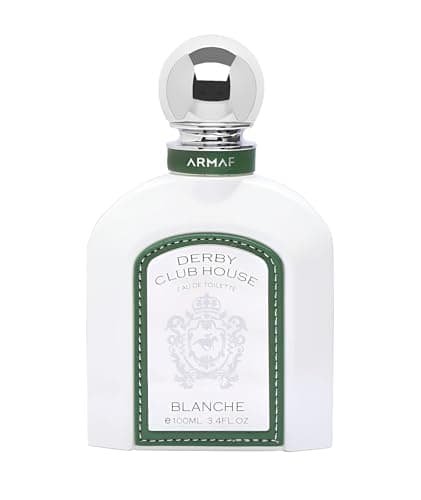
Five of the seven picks here are eau de parfum, and that is not a coincidence. Higher concentration generally means more material per spray and a longer, more developed dry-down — the first marker on our list. Armaf's Derby Club House Blanche is the exception that proves it: it is an eau de toilette, it genuinely smells costly for the first hour, and it is also the shortest-lived thing on the page. The full ladder, with the actual oil percentages, is in our fragrance concentrations guide.
Test the dry-down, not the opening
Everything on this page is decided in hours three to six, which is exactly the window a department-store paper strip never shows you. Spray one fragrance on skin, leave the shop, and smell your own arm at lunch. If it has become something else and that something else is good, you have found a composition with movement. If it has become a quieter version of the same thing, you have found a flat one — at any price. Our how to test cologne guide sets out the full method, including why testing more than two at once is a waste of a trip.
Batch variation is the real risk in this category
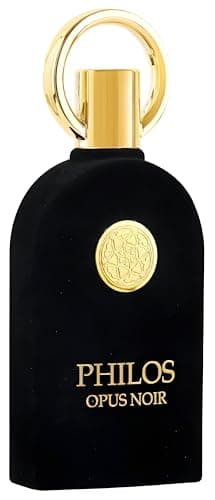
The budget houses on this list reformulate quietly and more often than the designers do, and La Yuqawam in particular has a long, documented history of owners arguing about whether recent bottles match the ones that built its reputation. This is not a reason to avoid it; it is a reason to buy a small format or a sample before committing to a full bottle, and to buy from a seller with a returns policy you have actually read. The same caution applies to Philos Opus Noir, which is both the cheapest and the most divisive thing here.
One bottle, not five
The mistake this category invites is collecting. Expensive-smelling fragrances are, almost by definition, the ones you notice on other people, so the temptation is to buy every bottle that gets described that way. Do not. Pick the one whose family you actually like — leather, vanilla, chypre, floral-leather, green-aquatic, iris — wear it for a month, and find out whether strangers react before you buy a second. Our how many colognes you actually need guide makes the full case.
What we did not include
We left out the obvious crowd-pleasers that get called expensive mostly because they are famous. We also left out every bottle whose entire claim is imitating one specific luxury fragrance — those belong in the dupes roundup, where the question is likeness rather than character, and judging them here would be judging them against the wrong criteria. The one exception is the five milliliters of Baccarat Rouge 540 at the bottom, which is on the list as the reference itself rather than as a copy of anything.