This is well documented and you are not unusual. In published headache research, perfume is the most frequently reported odour trigger, and exposure to strong odours for two hours or more has been reported to trigger a migraine in around 20 percent of migraine sufferers. The practical news is better than that sounds: for most people the problem is concentration, dose and specific materials rather than fragrance as a category, and all three are adjustable. Start with the four changes below before you give up.
One caveat up front: we write about fragrance, not medicine. If headaches are frequent, severe, or come with other symptoms, that is a conversation for a doctor rather than a fragrance site, and nothing here is a substitute for one.
What the research says is happening
Amanda Ellison, a professor of neuroscience at Durham University, sets out three mechanisms, and they are not mutually exclusive.
The emotional route.Smell connects directly to the emotional system, so a scent with a negative association can trigger a fight-or-flight response. That widens blood vessels in the head and neck, and as Ellison puts it, "vasodilation also activates sensory receptors embedded in the blood vessels, which we perceive as headache pain". This is why one specific fragrance can set you off while others at the same strength do not.
The sinus and trigeminal route. Irritating odorants can overstimulate the sinuses, prompting excess mucus and inflammation. Separately, some chemicals act on the trigeminal pathway — the nerve carrying sensory signals from the face and head — and Ellison names formaldehyde, certain cleaning products and cigarette smoke as known to act on it directly. Strong fragrances contain dozens of volatile compounds, and some of them engage this pathway rather than the smell receptors alone.
Odour intolerance. Osmophobia — heightened sensitivity or intolerance to smells — is strongly associated with migraine. Published figures put it at well over half of migraine patients, and in one study it was present in 86 percent of migraine patients during an attack against 6 percent of those with tension-type headache. Where odour triggers were ranked, perfume came first by a wide margin, ahead of paint, gasoline and bleach.
Which fragrances cause it most
There is no published list of guilty bottles, and we are not going to invent one. What the pattern of reports points to is less about particular fragrances than about three properties:
- High concentration. An extrait or EDP puts more volatile material into the air per spray than an EDT or a cologne. See fragrance concentrations explained.
- High projection. A fragrance built to fill a room is a fragrance built to keep a lot of molecules in your breathing space for hours. The specs are defined in sillage vs projection.
- Dense, sweet or heavily synthetic bases. Sweet gourmands, big amber bases and high-dose woody-amber synthetics come up repeatedly in anecdotal reports. One of the most widely used of those materials is covered in what is ambroxan, and a minority of people specifically report headaches from it.
Notice what is not on that list: price. An expensive fragrance is not gentler, and a cheap one is not harsher. Concentration and dose do far more work than quality does here.
What to change before you give up — and what to look for
Work through these in order. Most people who think they cannot wear fragrance find the answer in the first two.
1. Halve the dose, then halve it again
One spray. Not three, not "a light five". Exposure dose is the single biggest variable in every reported mechanism above, and the commonest cause of a self-inflicted fragrance headache is applying an EDP at EDT quantities. The dose table is in how many sprays of cologne to use, and if you cannot tell how much you are wearing, that is its own problem — see why you cannot smell your own cologne.
2. Move it away from your face
Chest, lower neck or wrists rather than the collar line, and never the beard or hair. The closer the application is to your nose, the longer you breathe a concentrated plume of it. Placement is covered in how to apply cologne.
3. Drop a concentration tier
The same fragrance in EDT rather than EDP, or an eau de cologne rather than either, puts measurably less volatile material into the air. This is the cheapest structural fix available, and it costs you longevity rather than the fragrance itself.
4. Try an alcohol-free oil and a simpler composition
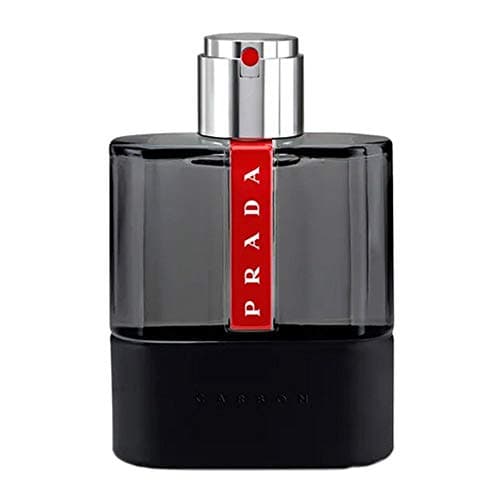
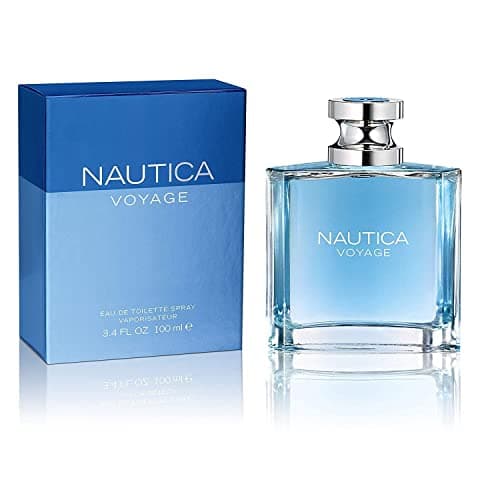
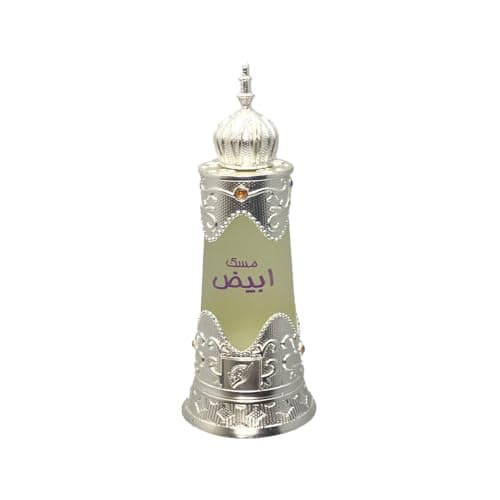
Two things change at once with a concentrated perfume oil: there is no alcohol flash at application, and the format sits on the skin instead of projecting, so the volume in your breathing space is far lower. Simple, short compositions — a clean musk rather than a twenty-note amber — also give your nose less to react to. That is what the three picks below are: a close-wearing alcohol-free musk, a polite designer fresh, and a light inexpensive EDT. The format itself is explained in perfume oils vs sprays.
Living with it
If someone else's fragrance is the problem
Then dose is not yours to control, and the honest answer is distance and fresh air. Ellison's own advice is to avoid known triggers where possible and to treat the headaches that happen anyway with fresh air and painkillers — which is unglamorous but is what the evidence supports. Nothing you wear changes what a colleague is wearing.
Identify the trigger before you clear the shelf
If one fragrance reliably does it and others do not, the useful move is to find out which family or material is involved rather than abandoning fragrance entirely. Wear one thing at a time for a full day and keep a short note of what happened. A sampler set or a decant makes that cheap, and fragrance families explained gives you the vocabulary to spot the pattern.
Headache and skin reaction are different problems
A headache from breathing a fragrance and a rash or burn from wearing one have different causes and different fixes. If the issue is your skin — stinging, redness, irritation after application — the right page is cologne for sensitive skin, which covers patch testing, named allergens and what the labels actually mean.
And rule out the boring explanation
A fragrance that has turned can smell sharp and sour in a way the original did not, and an old bottle is a perfectly ordinary reason for a new reaction to a familiar scent. Check the juice before you blame the formula — does cologne expire covers how to tell.