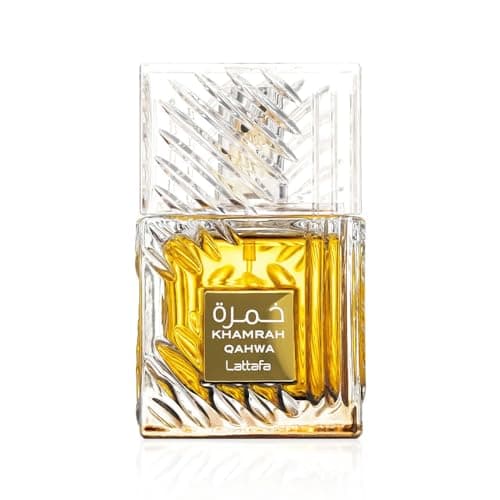
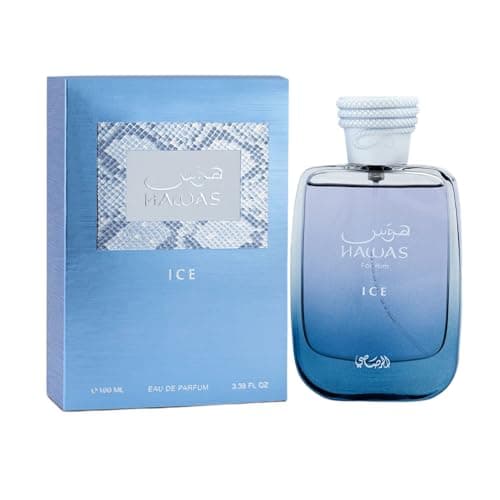
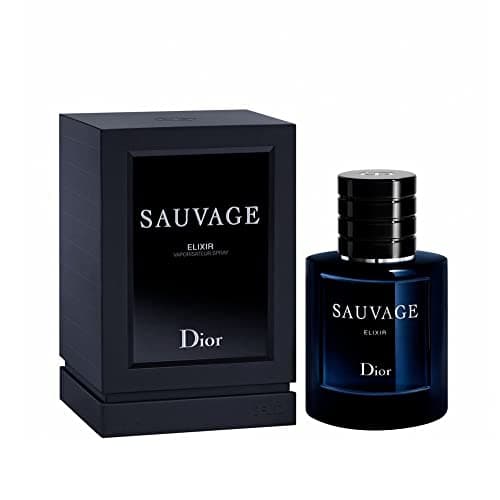
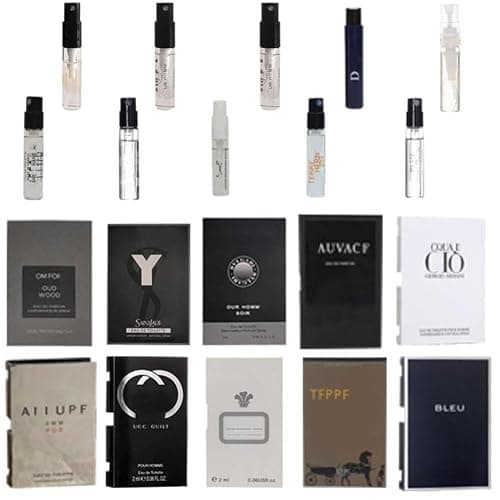
A flanker is a new fragrance that deliberately borrows attributes of an existing one — the reference definition is "a newly created perfume that shares some attributes of an already existing perfume", where those attributes "may be the name, packaging or notes". In plain English: it is a sequel. Sauvage Elixir is a flanker of Sauvage. Hawas Ice is a flanker of Hawas. Khamrah Qahwa is a flanker of Khamrah. The word on the bottle tells you a family, not a formula.
Why there are so many of them
Economics, and they are not hidden. Major houses launch a genuinely new fragrance every three to five years but release flankers annually, because a flanker skips almost all of the cost and all of the risk. As one perfumer put it, they "bring visibility to the brand" and let a house "reach the maximum number of consumers" by adapting a known accord to different demographics and regions. Another founder is blunter about the production side: brands "don't need to redevelop the bottle. You just change the color, and you keep the brand awareness." Industry estimates put flankers at roughly 30 to 40 percent of overall fragrance production at the big conglomerates, and much of the pressure to make them comes from large retailers asking for something new to put on the shelf.
None of that makes flankers bad. It does mean that the existence of a flanker is evidence of a successful original, not evidence of an improvement — and that is the useful thing to keep in mind when the bottle says Intense.
The three kinds of flanker
Practically, they fall into three groups, and telling them apart before you buy is the whole skill.
1. Concentration flankers.The same fragrance with more oil, usually badged Intense, EDP, Parfum or Elixir. These are the most predictable: expect more longevity, more weight, a darker character and a narrower seasonal range. Whether it is worth the money depends entirely on whether the original's weakness was performance — our concentrations guide covers what the initials actually promise.
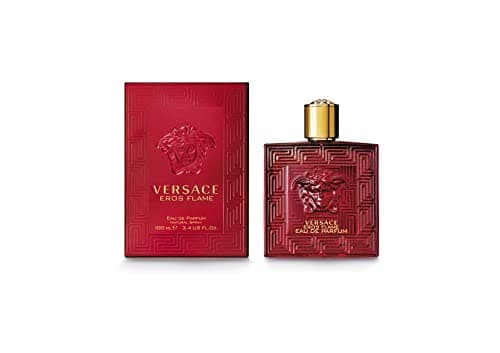
2. Seasonal or directional edits. The same DNA tuned in a direction: Ice and Aqua versions pull out sweetness and add citrus for heat; Noir, Extreme and Flame versions add spice and resin for cold. These are often the most genuinely useful flankers, because they cover a season the original does not.
3. Name-only flankers.A different fragrance wearing a successful family name. Rasasi Hawas Fire is a clear example — clary sage, jasmine and marine notes over ambergris, which is not the original Hawas accord in any meaningful sense. Dior's Sauvage Elixir is another: cinnamon, nutmeg and cardamom over lavender, rated highest of the whole line, and not a stronger version of the fresh Sauvage most people know. Neither is dishonest, but both will disappoint anyone who bought them expecting "more of the one I like".
How to tell which kind you are looking at
Ignore the adjective on the bottle and read the note list against the original's. If the pyramid is broadly the same and the concentration is higher, it is a concentration flanker. If the pyramid shares a base but swaps the top, it is a seasonal edit. If the pyramid is largely different, it is a new fragrance with a familiar name, whatever the marketing implies. Our notes guide explains how to read a pyramid, and our Sauvage line comparison works through a whole family that contains all three kinds at once.
One practical warning. Because flanker bottles are usually the same shape and color-shifted rather than redesigned, the photograph on a marketplace listing is not a reliable identifier. Read the full listing title, every time. This is the single most common way people end up with a fragrance they did not mean to buy, and it gets worse on the Arabian houses, where a hit gets five flankers in two years.
What to look for before buying a flanker
Four questions, in order. Does it cover a gap? A flanker that gives you a season, an occasion or a strength you do not already have earns its place; one that overlaps something in your cupboard does not, however good it is. Is the pyramid genuinely different? If it is nearly identical, you are paying for a color change. Is the concentration higher? If yes, you can expect real performance gains and a narrower use case. And is the original still the better buy? Often it is, because it is usually cheaper and always the version other people recognize.
If the honest answer to the first question is "no", the right move is a decant rather than a bottle. The four flankers below are the ones we think clear that bar — each covers something its original does not — and the price of each is live below, so you can see what the premium over the original actually is.
Owning flankers sensibly
Do not buy the flanker of a fragrance you have not worn
It sounds obvious and it is the most common mistake. The flanker assumes you liked the original enough to want a variation on it; if you have not worn the original, you have no idea whether you are buying the version you want. Start with the flagship, wear it for a month, and then decide what is missing.
Decant the sibling, do not buy it
The question a flanker poses is never "is this good" — it is "is this different enough from the one I already own". That is precisely what a 2 to 5 ml decant answers, for a few dollars and a fortnight of real wear. Buying a second full bottle to find out is how people end up with two near-identical fragrances and a strong opinion about flankers. See fragrance decants.
Flankers are where the clone houses do their best work
The Arabian houses flank aggressively, and because they are cheap it is much less painful to be wrong. Lattafa's Khamrah line and Rasasi's Hawas line are both worth exploring for that reason, and we compare the siblings directly in Khamrah vs Khamrah Qahwa and Hawas vs Hawas Ice. The same house habit is what makes reading the listing title essential.
A flanker is not a reformulation
Two different things that get confused. A flanker is a new product sold alongside the original. A reformulation is the original itself being quietly changed, usually because a raw material got restricted — same name, same bottle, different liquid. Flankers are announced; reformulations are not, which is why an old bottle of a classic can smell unlike the current one. Our shelf-life guide covers how to tell reformulation from a bottle that has simply turned.