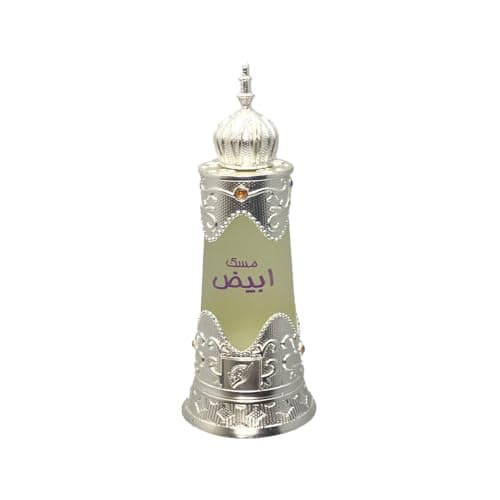
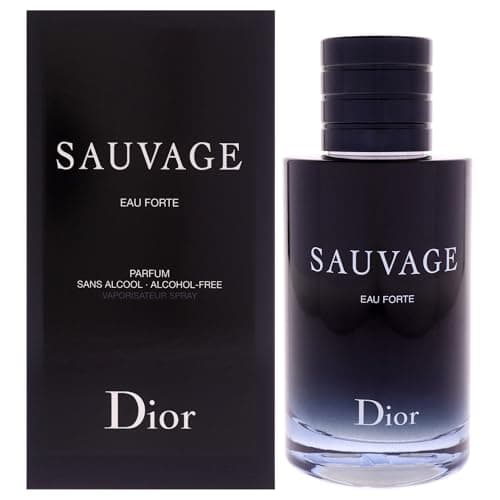
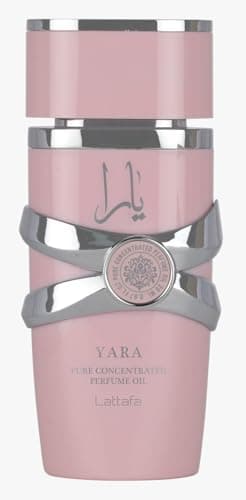
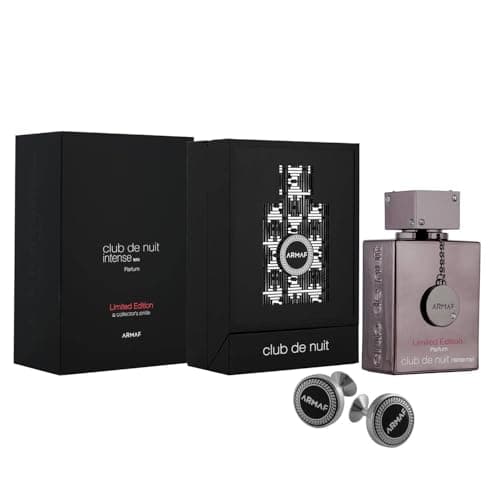
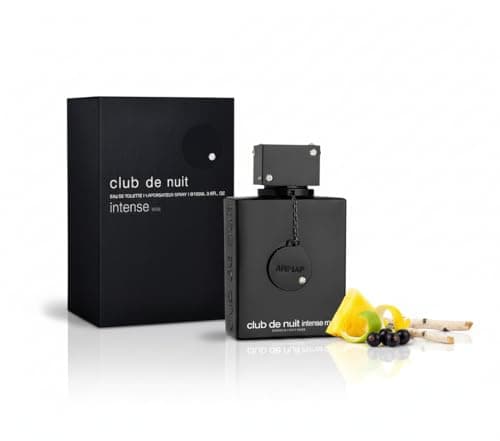
If cologne stings when you spray it, the answer for most people is an alcohol-free perfume oil — and Lattafa Yara Oilis the easiest place to start, because it is cheap, widely liked and contains none of the denatured alcohol that does most of the irritating. We are not dermatologists and this is not medical advice: if your skin reacts badly enough to blister, swell or stay red for hours, that is a doctor's question, not a shopping question. But for the ordinary sting-and-redness most people mean by "sensitive skin", the fix is usually in the first ingredient on the label.
Why cologne irritates skin in the first place
Open almost any bottle of cologne and the first ingredient listed is alcohol — usually denatured ethanol, often 70 to 90 per cent of the liquid. It is there for good reasons: it dissolves the aromatic compounds, it carries them off your skin and into the air, and it evaporates in seconds. It is also a solvent, which is exactly why it dries skin out and why it stings on anything freshly shaved, broken or already irritated. A fragrance that burns for thirty seconds on your neck and not on your wrist is usually telling you about your shave, not about the fragrance.
The second cause is the aromatic material itself. A small number of fragrance compounds are recognised contact allergens, which is why EU labelling rules require 26 of them to be named separately on the box. Citrus oils in particular can also be photosensitising — they make skin more reactive to sunlight, which is how people end up with a strange patch of redness exactly where they sprayed before a day outdoors. That is a real effect and it is worth knowing about if you wear bright citrus fragrances in summer.
What to look for on the label
Alcohol-free, oil-based, or "attar"
The cleanest solution is a fragrance with no alcohol at all. Perfume oils dissolve the same aromatic compounds in a carrier oil instead, so there is nothing in the bottle to sting. They behave differently — they sit much closer to the skin, they project far less, and they last longer because nothing is carrying them away — and our perfume oils vs sprays guide covers that trade in full.
Higher concentration, less alcohol
A Parfum or Extrait has more aromatic compound and proportionally less alcohol than an Eau de Toilette, so the sting is briefer and smaller. This is a real but modest effect — a Parfum is still mostly alcohol — and it is not a substitute for going alcohol-free if you genuinely react. Our concentrations guide explains what the labels commit the maker to.
Short ingredient lists and named allergens
If you know which compound bothers you, the EU allergen list on the box is genuinely useful; linalool, limonene, citral, geraniol and eugenol are the common names. If you do not know, a simpler composition is a reasonable hedge, and musk-led scents tend to be the gentlest place to start.
Nothing marketed as "hypoallergenic"
That word has no agreed definition and no regulatory force in the United States. It tells you what the marketing department decided, not what is in the bottle. Read the ingredients instead.
With that established, here are the bottles that actually solve the problem. The first three are alcohol-free perfume oils; the fourth is a designer alcohol-free Parfum, which is a genuinely unusual thing and worth knowing exists.
How to wear fragrance on reactive skin
Patch test, properly, once
Put one spray on the inside of your forearm and leave it alone for twenty-four hours. Not your neck, not before an event. If nothing happens, the fragrance is fine for you; if something does, you have learned it on two square centimetres of arm rather than on your face. This is the single most useful habit on this page and almost nobody does it.
Spray clothes, not skin
Fabric does not react. Spraying a jacket lapel, a shirt collar or a scarf from fifteen centimetres gets you most of the scent and none of the contact, and fragrance actually lasts longer on fabric than on skin. The caveat is that some fragrances stain pale or delicate material, so test on a hem first. Our how to apply cologne guide covers placement in detail.
Never spray freshly shaved skin
A shave removes the top layer of skin along with the hair, and alcohol on that is going to hurt. Wait twenty minutes, moisturise, and spray somewhere else entirely. If you want scent after shaving, that is what an aftershave balm is for — and cologne vs aftershave explains why the two products are not interchangeable.
Moisturise first, then apply
An unscented moisturiser gives the alcohol something to hit before it reaches dry skin, and it has the side benefit of making fragrance last noticeably longer — dry skin sheds scent fast. This is the one trick that helps both problems at once, and it is covered in how to make cologne last longer.
Be careful with citrus in the sun
If you are prone to reactions and you are going to be outdoors all day, lean musk, woody or amber rather than bright citrus, and keep the application off exposed skin. This is the one piece of standard fragrance advice that has a genuine mechanism behind it rather than folklore.
Know when it is not the fragrance
Three things get blamed on sensitive skin that are not. A fragrance that suddenly smells harsh and stings may simply have turned — our cologne shelf life guide covers how to tell. A counterfeit bottle can contain anything at all, which is a real irritation risk and one more reason to read how to spot a fake. And a headache from someone else's fragrance in a shared room is an over-application problem rather than an allergy — see how many sprays.
What we are not saying
We do not run a lab and we are not qualified to diagnose anything. Everything above is compiled from published ingredient and labelling information plus the aggregated experience of a very large number of owners, which is useful for shopping and useless as a medical opinion. If a fragrance causes swelling, blistering, breathing difficulty or a reaction that lasts beyond a few hours, stop using it and talk to a doctor. Our how we review page sets out exactly what our judgments are and are not based on.