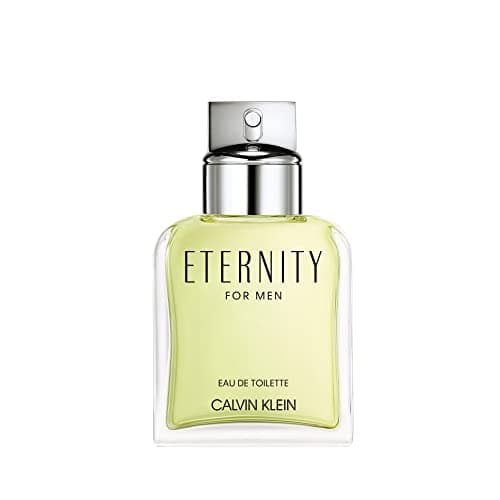
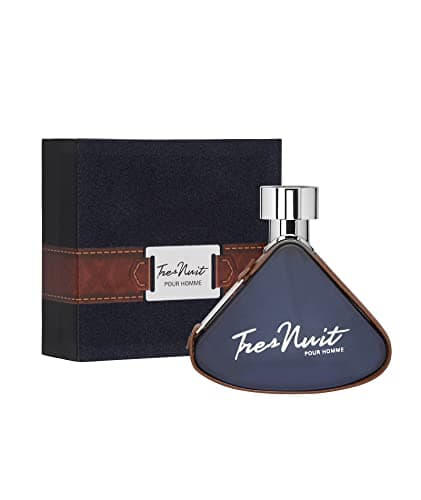
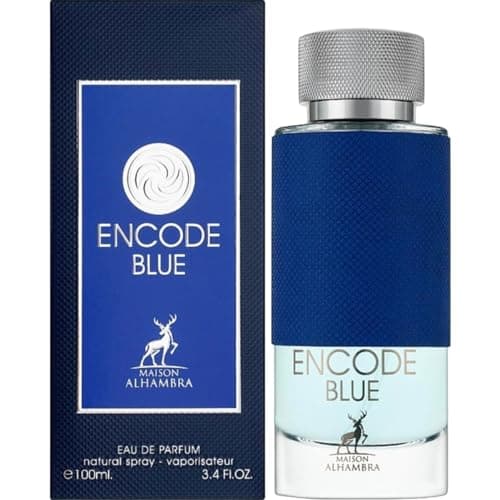
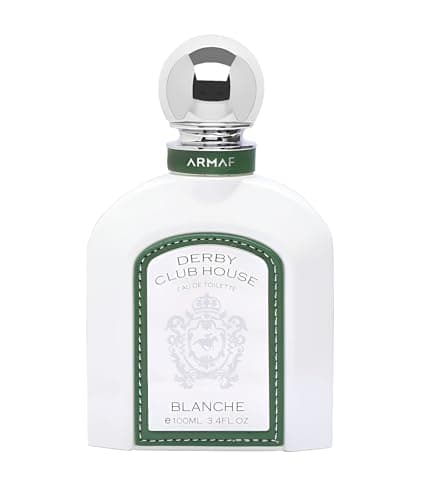
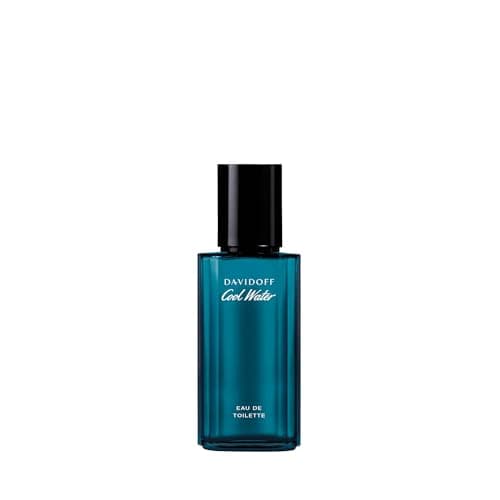
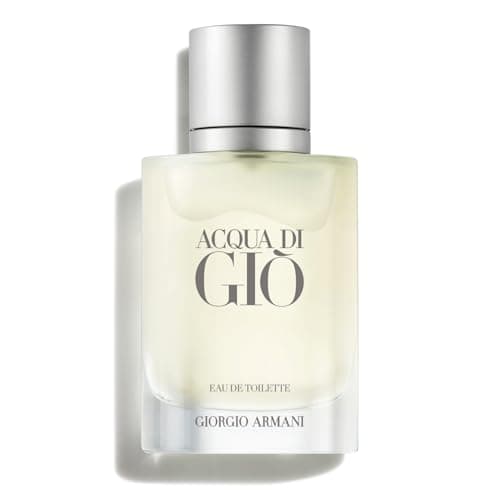
The best cologne for a job interview is one spray of something clean, familiar and quiet — a light fresh or a classic fougère, applied to the chest at least forty minutes before you arrive. And the genuinely correct answer, more often than fragrance sites admit, is to wear none at all. An interview is the one occasion where fragrance has far more downside than upside.
Why "none" is a real answer
Workplace fragrance policies are common enough that plenty of employers now ask candidates about them in advance. The US Job Accommodation Network, which advises employers on disability accommodations, is blunt about the reason: "Exposure to fragranced products can make it difficult to impossible for some employees to function effectively at work." Model policies it cites specifically name "cologne, perfume, aftershave lotions, scented lotions, fragranced hair products" among the items to avoid.
You do not know which of those applies to the person across the table. You do know the meeting is thirty to sixty minutes, probably in a small room with the door shut and the air conditioning off. That is the worst possible environment for fragrance and the best possible environment for a headache. If the invitation mentions a scent-free policy, treat that as a hard instruction, not a suggestion.
So: if you have any doubt, shower, wear clean clothes and skip the bottle. Nobody has ever failed an interview for smelling of nothing.
If you are going to wear something anyway
Most people will, and there is a version of this that is completely fine. The brief is not "smell good" — it is smell like nothing until someone is close enough to shake your hand. Three rules do almost all the work.
One spray. On the chest, under the shirt. Fabric moderates the release, and the chest keeps the scent inside your own personal space rather than pushing it across a desk. Not the neck, not the wrists you will be gesturing with, and definitely not a cloud you walk through.
Spray forty minutes to an hour before you arrive.The first ten minutes of any fragrance are the loudest and the most alcoholic. By the time you are in reception, you want to be in the heart of the fragrance, which is quieter and rounder. This also means spraying before the car or the train rather than in the building's bathroom.
Pick something familiar rather than interesting. An interview is not the moment for the oud, the tobacco or the gourmand you love. Fresh, clean and slightly boring is the entire target. Everything on this list is chosen to be unobjectionable and forgettable, which on any other page of this site would be an insult.
How this differs from an office fragrance
It is a related but different brief, and the distinction is worth drawing because the two pages disagree. An office fragrance has to survive eight hours and be pleasant to people who will smell it every day, so moderate longevity is a virtue and a little character is fine. An interview fragrance has to survive forty-five minutes and be invisible to one stranger with unknown sensitivities, so weak performance is genuinely an advantage — which is why Maison Alhambra Encode Blue, a bottle we describe elsewhere as a weak performer, is ranked here at all. If you want the eight-hour version instead, the office ranking is the right page.
What to look for in an interview fragrance
Four specs, in order. Low projection — you want it detectable at handshake distance and not before. A clean, non-food profile — citrus, marine, lavender, soap, dry wood; nothing sweet, smoky or boozy, because those read as evening and personal rather than professional. A short, calm opening — some cheap bottles blast a solvent-like top note for the first ten minutes, which is exactly when you will be sitting down. And genuine familiarity — a smell the interviewer has encountered a thousand times costs them no attention at all, and costing them no attention is the whole objective. Score those four and you are done; ignore longevity, which does not matter over an hour.
Getting it right on the day
The things that actually smell, and are not cologne
Before you worry about fragrance, note that most people walk into an interview already wearing three or four scented products: deodorant, shampoo, laundry detergent and — if you drove — the car. Those stack. A strongly-scented antiperspirant plus one spray of cologne is often louder than two sprays alone would have been, which is the argument for a single spray and for reading cologne vs deodorant if you have never thought about the order you apply them in.
Do not experiment on the morning
Wear something you have worn before and know the behavior of. A new bottle can perform completely differently on your skin than it did on the card in the shop — see why cologne smells different on different people — and finding that out an hour before an interview is a bad plan. If you are buying specifically for this, buy a week early and wear it twice first, or start with a sample instead of a full bottle.
A quiet bottle does not have to be a cheap one
Two of the picks here cost about twenty dollars and two cost over sixty, and price is not doing much work on this particular page, because the thing we are optimizing for — being inoffensive — is not expensive to achieve. Buy the cheap one if this is a one-off. Buy Acqua di Gio or Eternity if you want a bottle that will still be useful for the next two years of Tuesdays, in which case the under-$100 ranking is the wider field.
The video-interview version
Wear whatever you like, or nothing. Fragrance does not travel over a webcam, and that is the one interview format where the answer is genuinely "it does not matter".