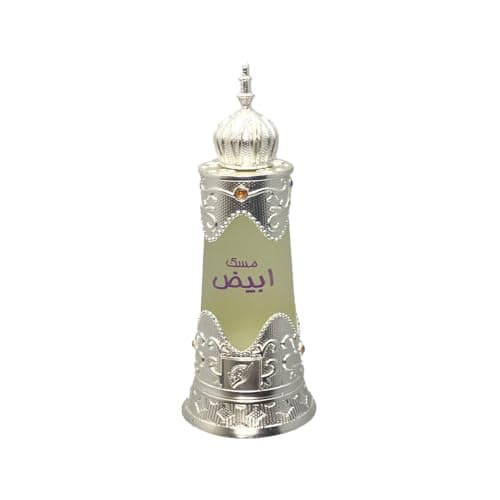
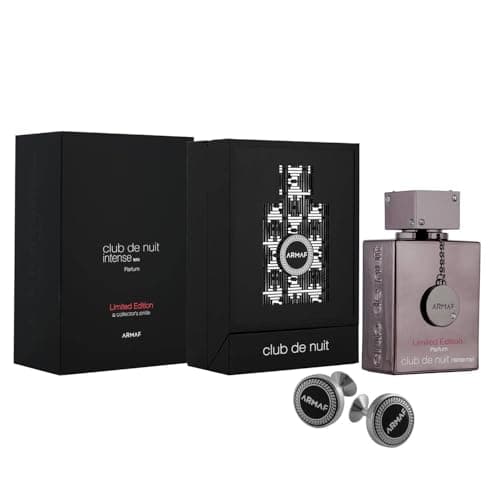
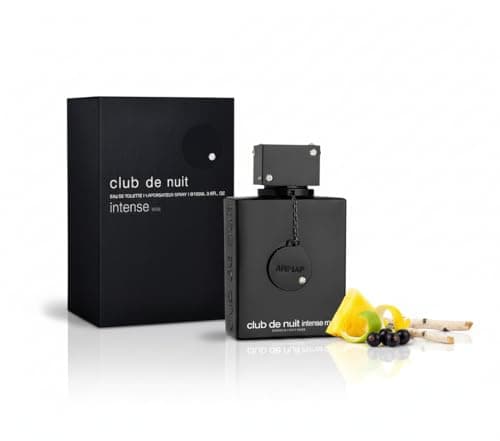
In almost every case this is normal and you should wait. A typical bottle of cologne is 70 to 90 per cent denatured alcohol, and for the first two to ten minutes after you spray, that is most of what you are smelling. Give it fifteen minutes and the alcohol is gone — what remains is the fragrance. If you want the shortest possible alcohol blast, buy a higher concentration: Armaf Club de Nuit Intense Man Parfum is the pick here, because a Parfum carries proportionally less alcohol and settles far faster than an EDT. If you want none at all, skip to the perfume oil at number four.
What the alcohol is doing in there
Three jobs, all necessary. It dissolves the aromatic compounds, which are oils and resins that will not mix with water. It atomises, which is how a pump turns liquid into a fine mist rather than a dribble. And it evaporates in seconds, which is what lifts the scent off your skin and into the air around you. Remove the alcohol and you do not get a stronger fragrance — you get an oil that sits on your wrist and nobody else can smell.
The consequence is unavoidable: for as long as the alcohol is evaporating, you are smelling it. That window is the first few minutes, and it is longer in a cold room, longer on dry skin, and much longer if you sprayed six times instead of two. Perfumers know this and compose for it — the bright citrus and aromatic top notes most fragrances open with are partly there to sit alongside the alcohol while it burns off.
How long it should last
Two to ten minutes on skin. Up to fifteen if the room is cold or you applied heavily. A fragrance on a paper test strip can read alcoholic for longer, which is one of several reasons testing on paper in a store is close to useless — our how to test cologne guide covers doing it properly.
If the alcohol note is still dominant after twenty minutes, something else is going on. There are exactly three likely causes, and they are worth separating before you decide the fragrance is bad.
The three cases where it is not normal
1. The bottle has turned
Fragrance oxidises. Heat, sunlight and a half-empty bottle full of air all speed it up, and the first symptom is almost always a sour, sharp, vinegary or alcoholic top note where there used to be citrus. The fragrance underneath is often still fine, which is why people describe it as "the opening has gone off". Our does cologne expire guide covers how to tell and how long you should expect a bottle to last.
2. It is a counterfeit
A thin, harsh, relentlessly alcoholic fragrance that never develops is one of the most reliable signs of a fake. Counterfeiters cut the expensive part — the aromatic compound — and leave the cheap part, so you get a bottle that is mostly solvent. If you bought a heavily discounted designer fragrance from an unfamiliar marketplace seller and it smells like a hospital, this is the likely answer. Read how to spot a fake cologne and whether the cologne you bought online is real.
3. It is a very cheap, very weak Eau de Cologne
True Eau de Cologne is around 2 to 5 per cent aromatic compound, which leaves 95 per cent or more of the bottle as alcohol and water. Body sprays and bargain-bin "cologne" can be weaker still. There is nothing defective about these products, but there is not much fragrance in them either, and the alcohol is proportionally far more of what you get. Our concentrations guide gives the actual percentages, and cologne vs body spray explains the bottom of that scale.
What to buy if the blast bothers you
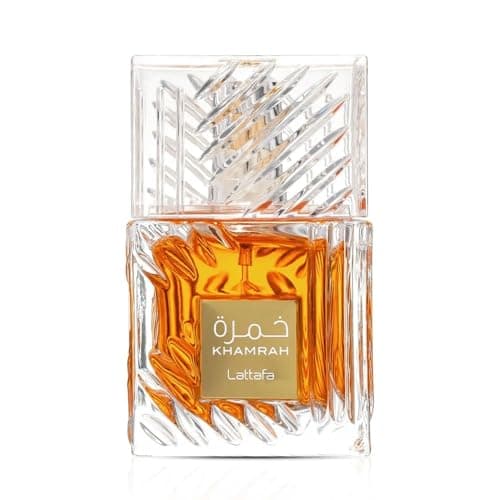
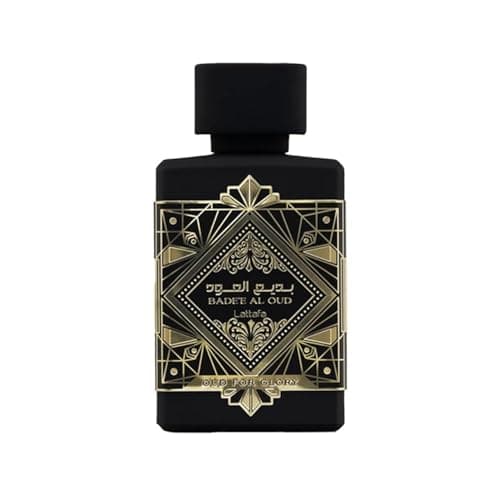
Having ruled out a bad bottle, the fix is concentration. A Parfum or Extrait has two to four times the aromatic compound of an EDT and proportionally less alcohol, so the opening is briefer and the fragrance arrives sooner. An alcohol-free perfume oil removes the window entirely. These four are the site's picks for exactly that, in descending order of how much they address it.
How to make the opening shorter
Spray less
The amount of alcohol you smell is proportional to the amount you sprayed. Six sprays of an EDT produces a genuinely unpleasant opening minute and does not make the fragrance last longer in any useful way. Two sprays is the normal ceiling, and our how many sprays guide has the detail by concentration.
Spray and wait, do not spray and go
Apply fifteen minutes before you leave. This is the whole answer for most people, and it costs nothing. Spraying in the car on the way to something is how you arrive smelling of solvent, which is then blamed on the fragrance.
Do not rub it in
Rubbing your wrists together crushes the top notes and accelerates the evaporation, which concentrates the alcohol smell rather than dispersing it. Spray and leave it alone — how to apply cologne covers the rest of the technique.
Moisturise first
Dry skin accelerates evaporation, which makes the alcohol phase sharper and the fragrance phase shorter. An unscented moisturiser before you spray genuinely helps both — see how to make cologne last longer.
Store the bottle properly
A bathroom shelf is the worst place in the house for fragrance — heat and humidity oxidise it faster, and the sharp alcoholic opening is the first thing to appear. Keep bottles in a cupboard, boxed, away from radiators and sunlight. Our shelf life guide has the full storage rules.
Buy concentration if it still bothers you
If you have done all of the above and the opening still ruins the first ten minutes, buy up the concentration ladder rather than buying a different scent. The same fragrance as a Parfum will usually settle in half the time. And if alcohol on your skin is irritating as well as smelling, that is a different problem with a different answer — cologne for sensitive skin covers it.