The rule that covers almost every situation: in any room where people cannot leave, one spray or none. Offices, elevators, aircraft cabins, hospital wards, funerals and classrooms are all the same problem — a confined space with people who did not choose your fragrance and cannot walk away from it. Nothing on this page says stop wearing cologne. It says the dose and the bottle should change with the room, and that a few specific rooms genuinely warrant none at all.
The one thing that makes this a real issue
Fragrance sensitivity is a recognized accommodation issue, not a preference. The U.S. Access Board — the federal agency that writes accessibility standards — adopted a fragrance-free policy for its own meetings and public events in 2000, specifically to accommodate people with multiple chemical sensitivities. It asks attendees to refrain from wearing perfume, cologne and other fragrances and to use unscented personal care products, and it coordinates with venues to avoid deodorizers and cleaning products immediately before events.
The Job Accommodation Network, which advises U.S. employers on reasonable accommodations, publishes sample workplace policy language along the same lines — restricting perfume and cologne during business hours where an employee has documented chemical sensitivity, and routing requests through a supervisor or HR. Canada's CCOHS adds a detail worth knowing: products labeled "unscented" may still contain masking ingredients, so the label is not a guarantee.
None of that means fragrance is banned anywhere by default. It means that if a colleague raises it, you are not dealing with fussiness, and the right response is to adjust rather than argue. If fragrance gives you headaches, our cologne headache guide covers the mechanism from the other side.
Place by place
The office
Yes, with restraint. One to two sprays, applied at home rather than at your desk, and nothing in the heavy amber or gourmand lane. Check whether your employer has a written fragrance policy before you assume there is not one — healthcare, education and government employers frequently do. Our best office colognes ranking is built around exactly this constraint.
A funeral or memorial
Yes, but quietly. One spray of something clean and non-sweet. The failure mode here is not offense, it is distraction: a strong fragrance in a small, still, crowded room becomes the thing people remember. If in doubt, skip it.
Around a newborn or a very young baby
Skip it on the day you are holding the baby. Infant skin and airways are more reactive, and parents in the first weeks are frequently told to minimize scented products generally. This is the one category where "less" is genuinely "none", and nobody will think less of you for it.
Hospitals, clinics and care homes
Skip it. Many facilities have explicit scent-free policies, patients undergoing treatment often have heightened nausea and smell sensitivity, and staff are frequently in close physical contact with visitors all day. This is the clearest no on the list.
In uniform, military or otherwise
Check your own regulations, which vary by service and by role, and be aware that field and operational roles often prohibit it outright for reasons that have nothing to do with etiquette. In customer-facing uniformed roles, treat it as an office: one spray, nothing loud.
On a plane
One spray before you leave the house, and never in the cabin. Aircraft air is recirculated, passengers cannot move, and the person next to you may be nauseous already. Spraying at the gate or in your seat is the single most reliably resented fragrance behavior there is. Our flying with cologne guide covers the TSA side of it.
The gym
Light, fresh, one spray, or nothing. Fragrance and heavy exertion is an unforgiving combination, and the gym is a confined shared space with elevated breathing rates. Our gym cologne guide covers what actually works there.
A job interview
One spray of something inoffensive, or none at all. There is no upside to being remembered for your fragrance in an interview and a real downside to it — see best cologne for a job interview.
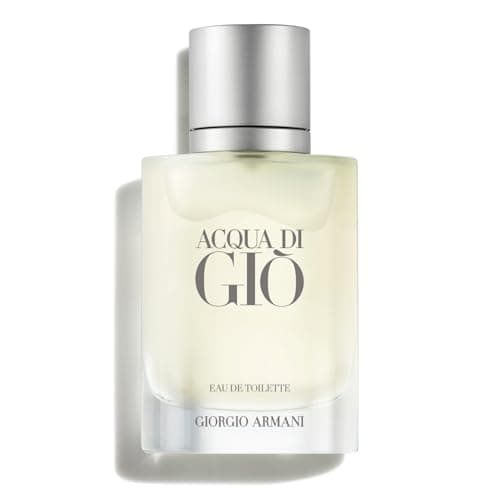
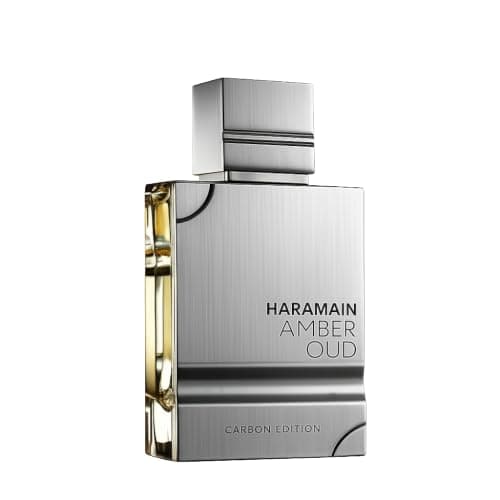
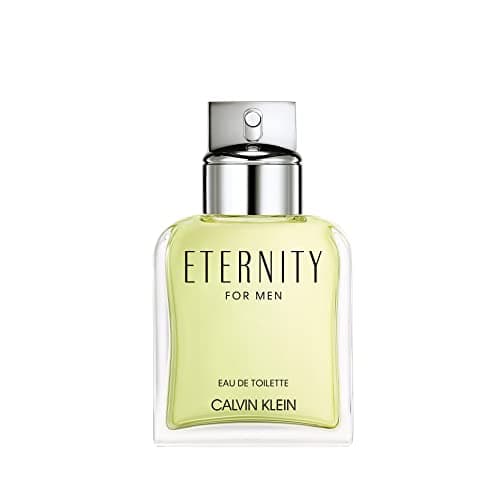
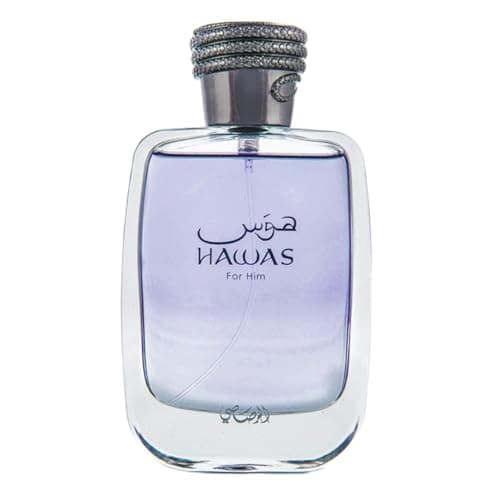
Three bottles that behave in close quarters
Everything below is chosen for one trait: it stays near you. These are not the loudest or the most impressive bottles on this site — they are the ones that do not force a decision on anyone else in the room.
How to wear fragrance in a shared room
Apply at home, not at the desk
A fragrance is at its loudest in the first fifteen minutes. Spraying before you leave means your colleagues meet the heart and base, which sit far closer to the skin than the top notes do. Spraying at your desk means they meet the alcohol flash and the full opening at point-blank range.
One spray, under clothing
Chest under a shirt gives you most of a day of scent for yourself with a fraction of the room presence of a neck spray. If you want more longevity rather than more volume, that placement is the whole trick — how to apply cologne has the full placement map.
Choose by sillage, not by longevity
The two are different properties and people confuse them constantly. You want low sillage and high longevity in a shared room: a fragrance that lasts on you without traveling. Our sillage versus projection guide explains how to read the difference before you buy.
You are the worst judge of your own dose
Olfactory fatigue sets in within about twenty minutes, so the smell you cannot detect is still perfectly obvious to everyone else. Never add a spray because you have stopped noticing it — why you cannot smell your own cologne explains why that instinct is always wrong.
If someone asks you to stop, stop
It costs you nothing and it may be a medical accommodation rather than a preference. Keep an unscented option in the rotation and treat it as a scheduling problem rather than a personal one. If reactive skin rather than smell is the issue, our sensitive skin guide covers what to look for on a label.